
2011 International Trucks For Sale
Shop 2011 International trucks for sale, including day cabs, sleepers, medium-duty and vocational models with buyer-focused spec insights.
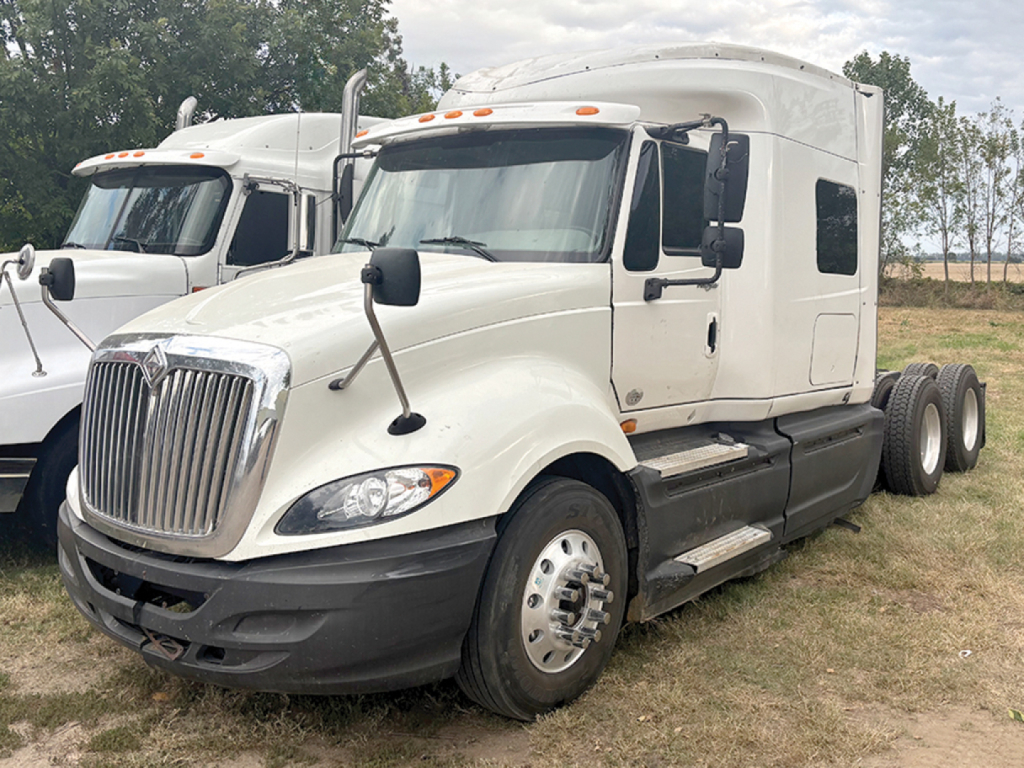
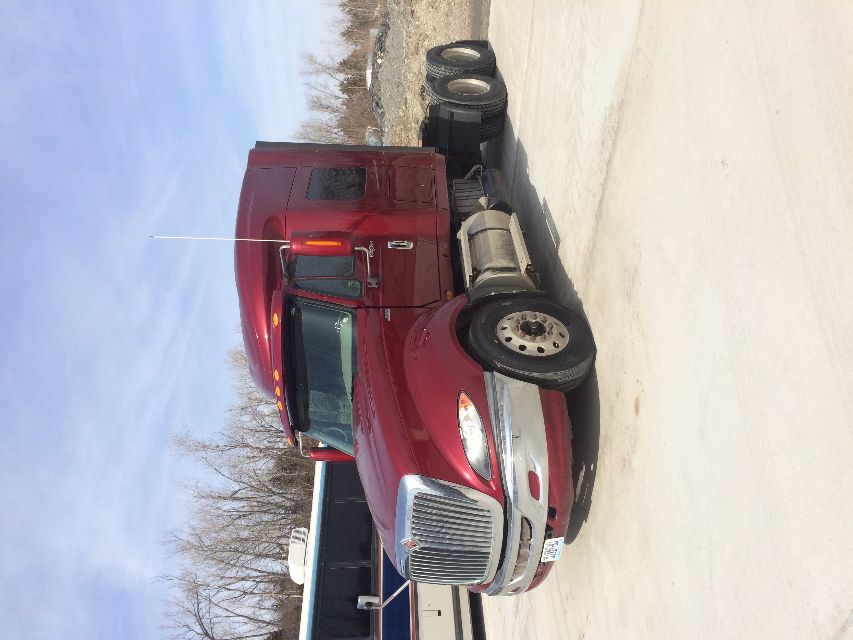

Selling a 2011 international truck? List your 2011 international truck for sale and reach thousands of commercial buyers.
2011 International Trucks
For highway use, 2011 International day cabs and sleepers are often found with tandem axles, air ride suspension, 10-speed manual or automated transmissions, and rear axle ratios selected for either fuel economy or startability. Wheelbases commonly vary depending on fifth wheel position and intended trailer length, so kingpin setting, sliding fifth wheel travel, and frame layout matter if the truck will be pulling multiple trailer types. Buyers comparing ProStar and similar conventional models should look closely at cab condition, electrical system health, suspension wear, and whether the truck is set up for regional freight, dedicated lanes, or longer over-the-road use. Typical specs in this class include 40,000 lb rear axles, 12,000 lb front axles, 22.5-inch rubber, and 6x4 drivetrains.
On medium-duty and vocational 2011 International trucks, the priorities shift toward GVWR, cab-to-axle measurement, PTO capability, brake type, and body compatibility. Trucks in the 4300 and related series are commonly used as rollback carriers, box trucks, flatbeds, utility bodies, and municipal units. A buyer should confirm frame dimensions, suspension type, fuel tank placement, and front axle capacity before planning a body swap or replacement upfit. If the truck is intended for towing or equipment transport, wheelbase, overhang, and weight distribution are especially important. Air brakes, Allison automatics, and diesel power remain common advantages in this segment because they simplify driver onboarding and fit stop-and-go service well.
Condition matters more than badge alone on a 2011 unit. Service records, emissions-system history, rust exposure, idle hours, and prior vocational use can affect value as much as mileage. International trucks from this era are widely supported in the used market, and parts availability is generally strong, but buyers should still verify engine components, aftertreatment status, and any signs of hard fleet use before making a decision. A well-matched 2011 International can still be a productive truck if the spec aligns with the route, payload, and body requirements.
Frequently Asked Questions about 2011 International Trucks
What are the most common 2011 International truck models buyers will find?
Common 2011 International trucks include highway tractors such as the ProStar, along with medium-duty models like the 4300 series and other vocational chassis. The exact mix depends on the market, but buyers should expect to see day cabs, sleeper tractors, rollback trucks, box trucks, and service-body applications. The model name alone does not tell the full story, so the engine, axle setup, wheelbase, and body configuration should be reviewed with the intended job in mind.
What should I check first on a 2011 International truck?
Start with the engine and emissions system, then move to transmission type, axle ratings, suspension, and frame condition. On a 2011 truck, aftertreatment history and maintenance records are especially important because repair costs can change the real value of the unit quickly. After that, confirm wheelbase, cab-to-axle, GVWR or GCWR, brake setup, and tire size so the truck actually matches the trailer, body, or route requirements.
Are 2011 International trucks good for regional and vocational work?
Yes, many 2011 International trucks remain well suited for regional freight, local delivery, towing, and vocational applications when the truck is properly spec'd and maintained. Day cabs from this era are common in regional hauling, and medium-duty International chassis are still widely used for rollback, box, and utility body work. The key is not just age, but whether the truck's horsepower, gearing, axle capacity, and frame layout fit the job it will perform.
What engine and transmission setups are common in 2011 International trucks?
Buyers will commonly see diesel engines paired with 10-speed manual transmissions, automated manuals, or Allison automatic transmissions depending on the truck's class and application. Highway tractors are more likely to have tandem axles and manual or automated gearboxes, while medium-duty vocational trucks often use automatics for easier stop-and-go operation. The correct setup depends on terrain, payload, driver preference, and whether the truck will run highway miles or city routes.
How important is wheelbase on a 2011 International truck?
Wheelbase is a major buying factor because it affects maneuverability, trailer compatibility, body length, bridge compliance, and weight distribution. On tractors, wheelbase works together with fifth wheel position and kingpin setting to determine how the truck carries load. On straight trucks, wheelbase and cab-to-axle dimensions determine what body can be installed and how well the truck will balance payload across the axles.