
International Trucks For Sale in Mississippi
Browse International trucks for sale in Mississippi, including LT, RH, MV and 4300 models for regional haul, vocational, and straight truck work.
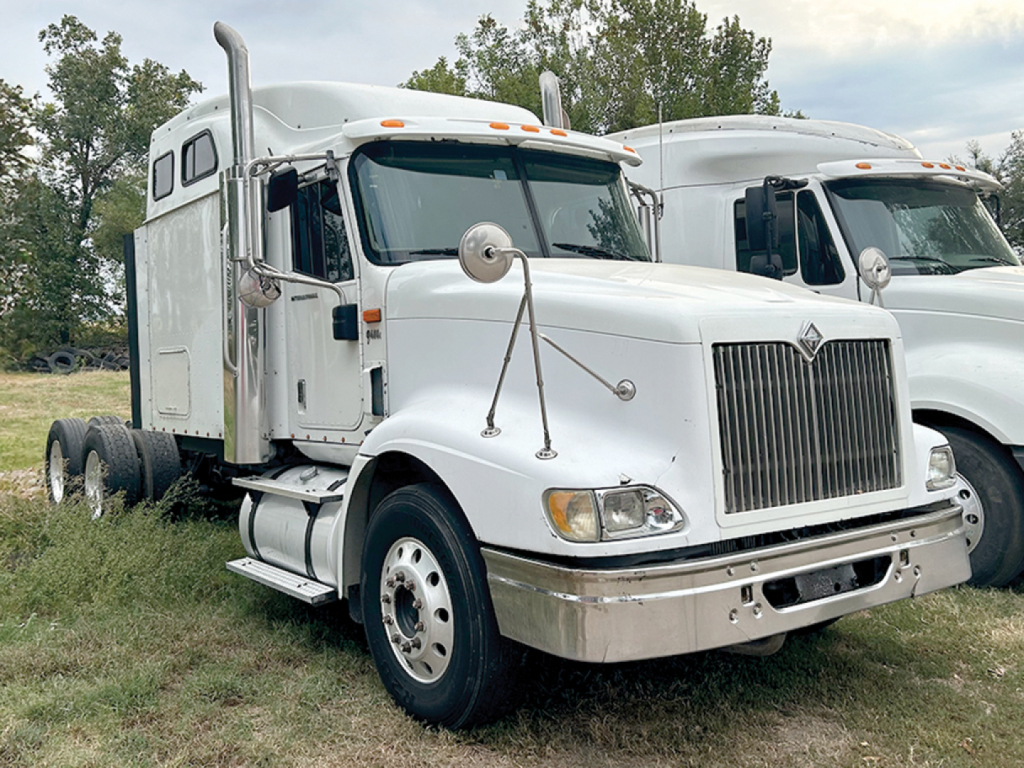
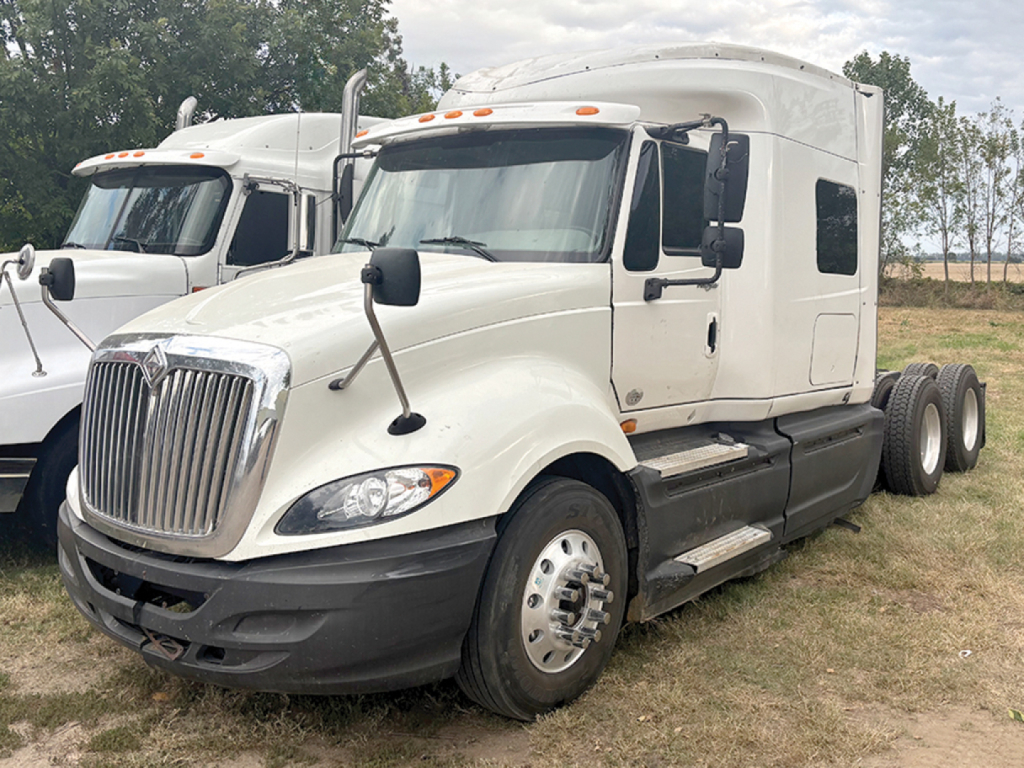

Selling a international truck? List your international truck for sale and reach thousands of commercial buyers.
International Trucks in Mississippi
For highway tractors, the key buying decisions usually come down to engine, transmission, axle ratio, sleeper configuration, and wheelbase. Late-model International LT and RH trucks are often equipped with either the Navistar A26 or Cummins X15, commonly in the 400 to 450 horsepower range, paired with automated manual transmissions. Ratios in the mid-2s to low-3s are typical for fuel-efficient linehaul and regional work, especially with 40,000 lb rear axles and air ride suspension. Buyers comparing sleepers should look closely at bunk size, fairing package, fuel capacity, and fifth wheel setup. A 56-inch sleeper can fit regional overnight work, while a 73-inch hi-rise sleeper is better suited to teams, longer dispatches, or drivers who spend extended time in the truck.
On the medium-duty side, International MV and 4300 models are commonly spec'd as straight trucks, also known as box trucks or van trucks, with 24- to 26-foot bodies, roll-up rear doors, wood floors, E-track, and liftgates. These trucks are often powered by the Cummins ISB 6.7 with Allison or other automatic transmissions, making them a strong fit for urban delivery, warehouse distribution, and route-based service. Pay attention to rear axle capacity, suspension type, and gear ratio here. A single-axle truck with a 19,000 to 21,000 lb rear axle and a deeper ratio in the 5.29 to 5.57 range is generally aimed at stop-and-go service and payload management rather than highway speed efficiency. Body details like scuff liners, translucent roofs, and liftgate rating matter just as much as chassis specs when the truck will be used for freight handling every day.
Mississippi buyers often balance highway miles, local route density, humidity, and serviceability when comparing used International trucks. Disc brakes, air ride suspensions, aluminum fuel tanks, and low-profile 22.5 tires are common specs worth noting. For tractors, check engine brake performance, frame condition, and kingpin-to-rear-axle setting if maneuverability or trailer swing clearance matters. For straight trucks, verify door condition, floor wear, liftgate operation, and wheelbase in relation to body length and turning radius. International remains a strong option for fleets and owner-operators who want a truck that can be matched closely to a specific duty cycle instead of forcing one platform to cover every job.
Frequently Asked Questions about International Trucks in Mississippi
What are the most common International truck models for highway and local delivery work?
International LT and RH models are common in Class 8 tractor applications, with the LT typically used for sleeper and linehaul service and the RH often spec'd as a regional or local day cab. In medium-duty work, the MV607 and 4300 are widely used as straight trucks with van bodies, liftgates, and other delivery equipment. The right model depends on whether the truck will spend most of its time pulling trailers on the highway or making frequent stops in city and regional service.
Which engine and transmission combinations are common in late-model International trucks?
Late-model International highway tractors are commonly equipped with the Navistar A26 or Cummins X15, often in the 400 to 450 horsepower range and paired with automated manual transmissions. Medium-duty International trucks frequently use the Cummins ISB 6.7 with an Allison automatic or similar automatic transmission. For buyers, the main issue is not just brand preference but matching horsepower, torque, shift logic, and rear axle ratio to the actual load and route profile.
What should I look for when buying an International sleeper tractor?
Focus on sleeper size, axle ratio, rear axle capacity, wheelbase, and aerodynamic equipment before comparing cosmetic details. A 56-inch sleeper usually fits regional overnight work, while a 73-inch hi-rise sleeper gives more room for long-haul operation and team driving. Also verify the fifth wheel type, fuel tank capacity, fairings, bunk heater if equipped, and service history for the engine and aftertreatment system, since those factors directly affect uptime and operating cost.
Are International MV and 4300 trucks good choices for box truck applications?
Yes. International MV and 4300 models are common box truck platforms because they are available with suitable GVWR ratings, automatic transmissions, and body-friendly wheelbases for 24- to 26-foot van bodies. Many are equipped with features important to delivery fleets, such as E-track, wood floors, roll-up doors, liftgates, and scuff protection. Buyers should review both chassis specs and body condition, because cargo handling equipment can be just as important as engine and transmission condition in local delivery service.
How important are axle ratio and suspension type on an International truck?
They are critical because they shape how the truck performs in its intended duty cycle. Lower numerical ratios such as 2.64 to 3.08 are common on highway tractors built for fuel economy and cruising speed, while deeper ratios such as 5.29 or 5.57 are more common on medium-duty delivery trucks that need better launch performance in stop-and-go routes. Suspension matters too. Air ride is preferred for ride quality and freight protection in many tractor and van applications, while spring suspension can still be a practical choice in medium-duty service where simplicity and durability are priorities.