
International Conventional Sleeper Trucks For Sale in Mississippi
Shop International conventional sleeper trucks for long-haul work, with LT625 and ProStar specs, sleeper options, and highway-focused drivetrains.
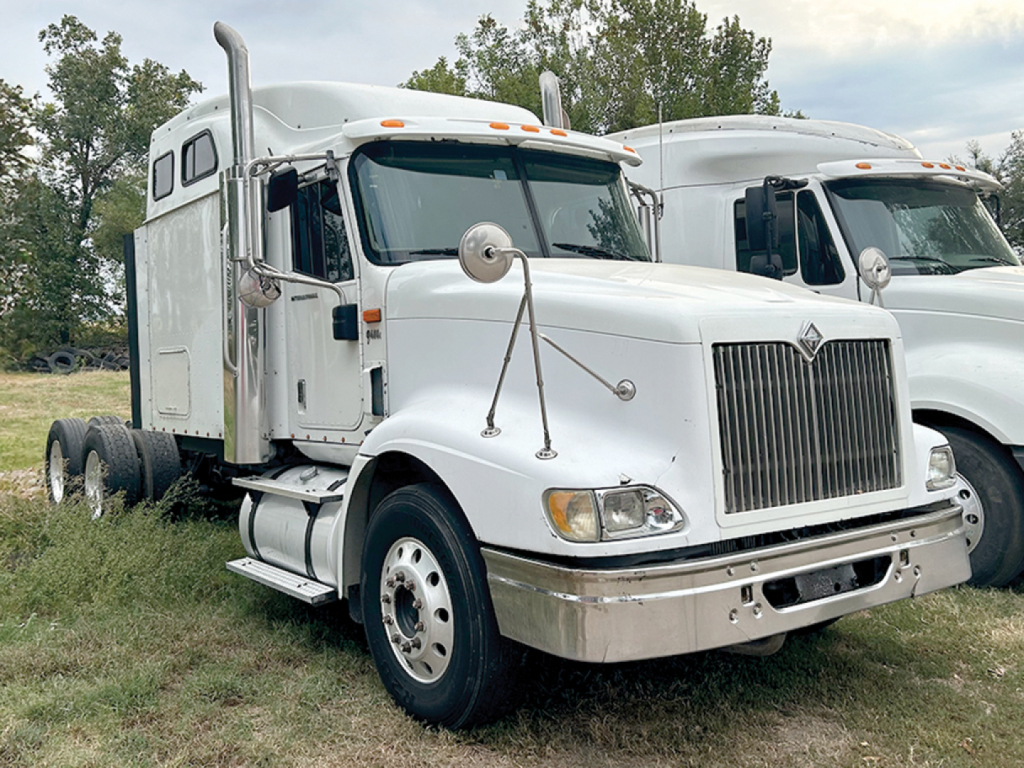
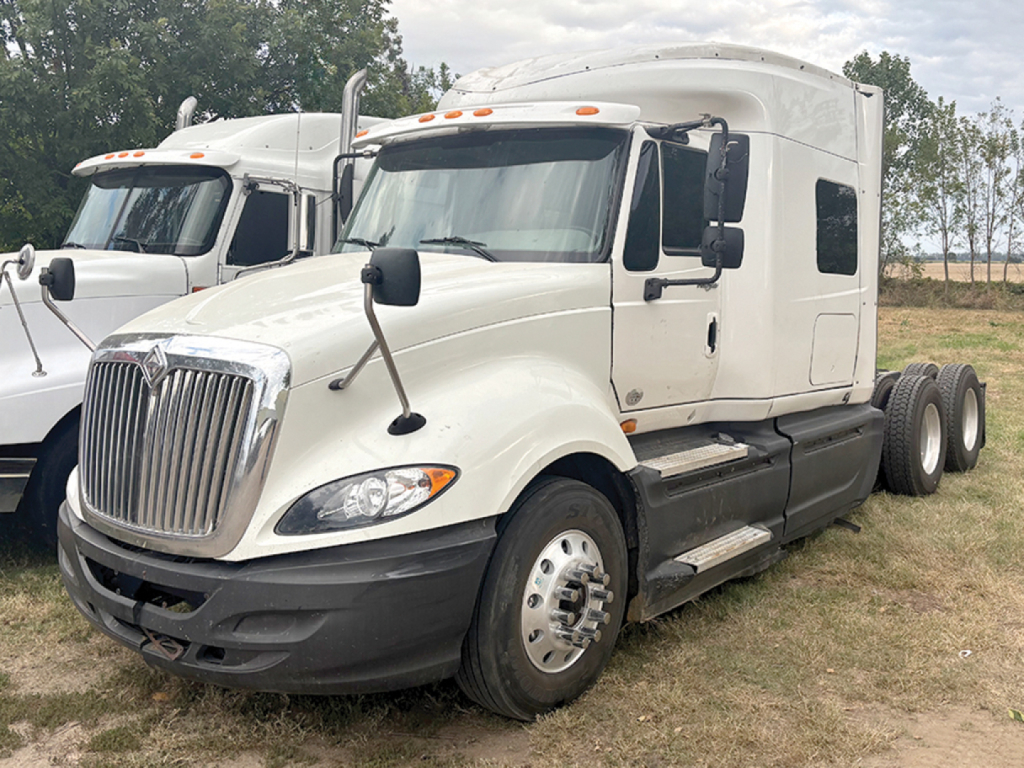

Selling a international conventional sleeper truck? List your international conventional sleeper truck for sale and reach thousands of commercial buyers.
International Conventional Sleeper Trucks in Mississippi
The most common sleepers in this category are 56-inch and 73-inch configurations, including hi-rise and sky-rise layouts. A 56-inch sleeper can make sense for shorter OTR cycles or slip-seat operations where a compact wheelbase helps maneuverability. A 73-inch sleeper adds storage, livability, and usually an upper bunk, which matters for team operations or drivers staying out for extended periods. Features like bunk heaters, idle reduction systems, APUs, cab extenders, and side fairings are especially relevant in a sleeper tractor because they affect both comfort and operating cost. Wheelbases in the mid-220-inch range are common, often paired with sliding fifth wheels so the truck can be adjusted for trailer gap and axle loading.
Engine choices on International sleeper trucks commonly include the Navistar A26 and Cummins X15 or ISX15, usually in the 400 to 455 horsepower range. That power band covers most highway applications without pushing the truck into an unnecessarily aggressive fuel profile. Automated manual transmissions are very common in later LT625 models, while some older units still carry manual 10-speed or 13-speed transmissions. Rear axle ratios such as 2.64, 2.79, and 3.08 tell you a lot about the truck’s intended use. Lower numerical ratios generally favor fuel-efficient linehaul work on flatter interstate routes, while a 3.08 setup can be more versatile where terrain, heavier loads, or driver preference call for stronger pulling characteristics. Many of these trucks ride on 40,000-pound rears with air ride suspension, low-profile 22.5 tires, and aluminum or steel disc wheels.
A buyer looking at International conventional sleepers should pay close attention to emissions history, engine make, software calibration status, transmission type, and how the sleeper spec matches the freight. The LT625 is known for a more aerodynamic hood, updated interior, and a driver-focused cab layout compared with earlier ProStar models. The best spec depends on lane length, average trailer weight, and how often the truck runs at highway speed versus urban pickup and delivery. For fleets, consistency across engine and transmission packages can simplify maintenance and training. For owner-operators, the priority is often balancing sleeper comfort, maintenance access, and a drivetrain ratio that keeps RPM low without making the truck lazy under load.
Frequently Asked Questions about International Conventional Sleeper Trucks in Mississippi
What is the difference between an International LT625 and an International ProStar sleeper truck?
The LT625 is the newer highway tractor design and generally offers improved aerodynamics, a more refined interior, and updated electronics compared with the older ProStar. The ProStar remains a practical used truck in many operations, especially when equipped with proven Cummins power and a manual transmission, but the LT625 is usually the stronger choice for buyers focused on late-model specifications, driver comfort, and linehaul efficiency.
Which engine is better in an International conventional sleeper truck, the Navistar A26 or Cummins X15?
The right engine depends on maintenance preference, fleet standardization, and operating conditions. The Navistar A26 is designed as a lighter, fuel-conscious highway engine and is often selected for linehaul applications where efficiency is a priority. The Cummins X15 is widely recognized across the industry, has broad service support, and is a common choice for buyers who want familiar diagnostics, strong parts availability, and dependable performance in a wide range of over-the-road applications.
Is a 56-inch or 73-inch sleeper better for over-the-road trucking?
A 56-inch sleeper is usually enough for shorter runs, solo drivers, and operations that value a slightly shorter wheelbase. A 73-inch sleeper is better suited for extended OTR use, team driving, and drivers who need more storage and living space. The larger sleeper can improve driver satisfaction and time on the road, but it also adds length and may slightly affect weight and maneuverability.
What rear axle ratio works best in an International sleeper tractor?
A 2.64 or 2.79 ratio is common in fuel-efficient highway tractors that spend most of their time at interstate speed with moderate freight weights. A 3.08 ratio is typically better when loads are heavier, routes are hillier, or the buyer wants stronger launch and pulling performance. The best ratio depends on tire size, transmission gearing, cruise speed, and the average gross combination weight the truck will run.
What should buyers inspect on a used International sleeper truck?
Key checkpoints include engine service records, aftertreatment condition, fault code history, transmission behavior, suspension wear, and fifth wheel operation. On sleeper units, buyers should also inspect bunk HVAC performance, heater or APU function, water leaks around seals, and the condition of interior trim and bunk hardware. A used sleeper truck can look clean and still need expensive emissions or driveline work, so diagnostics and maintenance documentation are just as important as visual condition.