
Hood Truck Parts For Sale
Browse hood truck parts built for fit, airflow, and front-end protection across popular semi truck makes and model configurations.
Learn more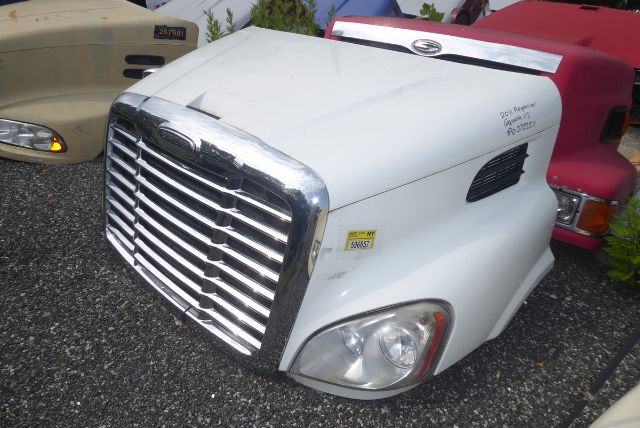
Have hood truck part to sell? List it here to reach thousands of buyers.
About Hood Truck Parts
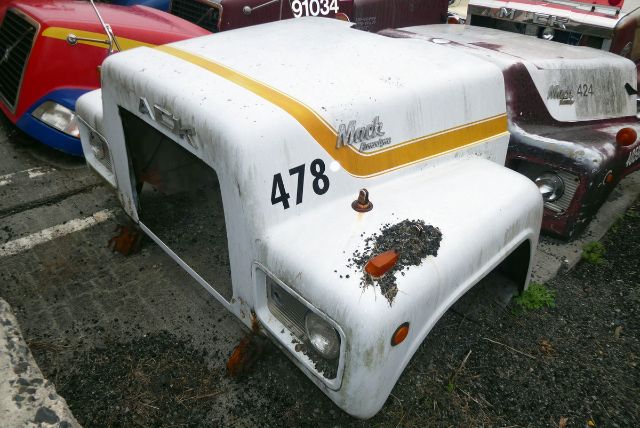
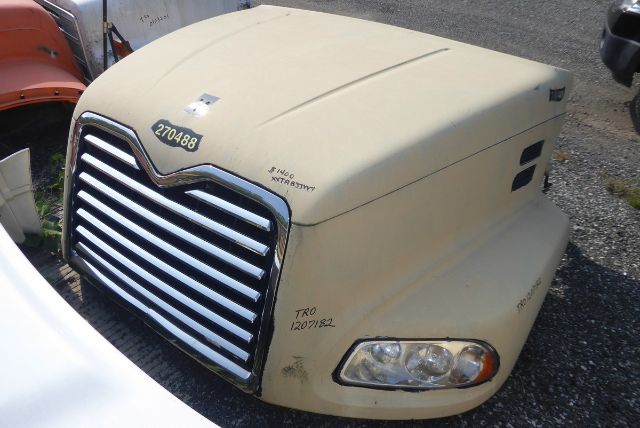
Most truck hoods are built from fiberglass, though some applications use composite materials or include steel reinforcement at stress points. Fiberglass remains common because it is relatively light, corrosion-resistant, and repairable after minor impact damage. Key inspection points include hinge areas, latch mounts, inner structure, mounting flanges, and any cracking around the fender crowns or grille openings. If the hood includes accessories, check for headlights, bezels, grille inserts, mirrors, marker lights, insulation, and wiring pigtails, since those items can change the total replacement cost more than the shell itself.
Model-specific details matter on hood truck parts. Set-back axle and set-forward axle trucks may use different hood lengths and contours, and even within the same OEM line there can be differences tied to year range, headlight style, emissions package packaging, or chassis configuration. Buyers should confirm measurements, hinge-to-cowl alignment, and compatibility with bumper, grille surround, and radiator support components. On damaged trucks, it is also smart to inspect adjacent parts before replacing the hood, because bent hood pivots, cab mounts, support brackets, or bumper structure can create fitment problems that look like a bad hood but are really front-end alignment issues.
For buyers focused on appearance, a straight hood with clean body lines can make a major difference in resale value and fleet image. For buyers focused on uptime, the better choice may be a complete hood assembly that reduces install labor and helps get the truck back on the road faster. In either case, the best hood truck parts are the ones that match the truck precisely, open and latch correctly, maintain proper clearances, and restore both protection and factory-style fit.
Frequently Asked Questions
What should I verify before buying a replacement truck hood?
The most important step is confirming exact fitment by make, model, year range, axle configuration, and front-end style. A hood must align with the cab, grille, bumper, headlights, and hinge system used on that truck. Buyers should also verify whether the part is a bare hood shell or a complete assembly with lights, grille, insulation, and hardware, because that affects both installation time and total cost.
Are fiberglass truck hoods a good choice?
Fiberglass truck hoods are widely used because they offer a good balance of weight, durability, corrosion resistance, and repairability. Minor cracks or cosmetic damage can often be repaired, which helps control replacement costs. The condition of the inner structure is just as important as the outer skin, so hinge points, latch areas, and reinforced mounting sections should be inspected carefully.
Why do some truck hoods that look similar still not fit the same truck?
Small design changes can create major fitment differences. Headlight shape, grille opening, hood length, emissions-related packaging, axle position, and production year updates can all change the part required. Two hoods may look nearly identical in photos but still have different mounting geometry or front-end contours, so part numbers, measurements, and model-specific compatibility should always be checked.
Is it better to buy a complete hood assembly or just the hood shell?
A complete hood assembly can save labor and speed up installation because it may include headlights, grille components, wiring, insulation, and mounting hardware. A hood shell can make sense when existing components are still usable or when a buyer wants to transfer trim and lighting from the original truck. The right choice usually comes down to downtime, labor availability, and the condition of the surrounding front-end parts.
What damage areas are most common on used truck hoods?
Common damage points include cracks around hinges and latches, stress fractures near fender tops, broken mounting tabs, chipped edges around grille openings, and inner structure separation after front-end impact. Cosmetic flaws are common, but structural damage is more important because it affects alignment, opening, closing, and long-term durability. Buyers should also look for repairs that may hide previous damage or indicate the hood was installed on a truck with unresolved front-end alignment issues.