
Lifts - Fork For Sale
Used fork lifts for sale, including propane warehouse forklifts with common 4,000 to 5,000 lb capacities, mast options, and side shift.
Learn moreBrowse Lifts - Fork Trucking Equipment by Make
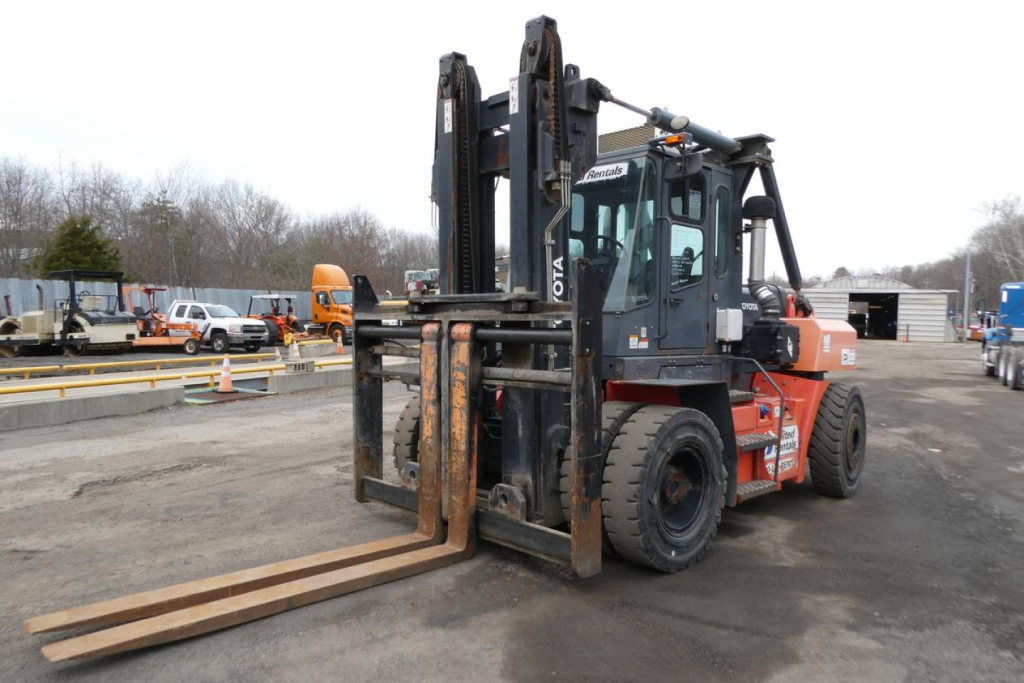
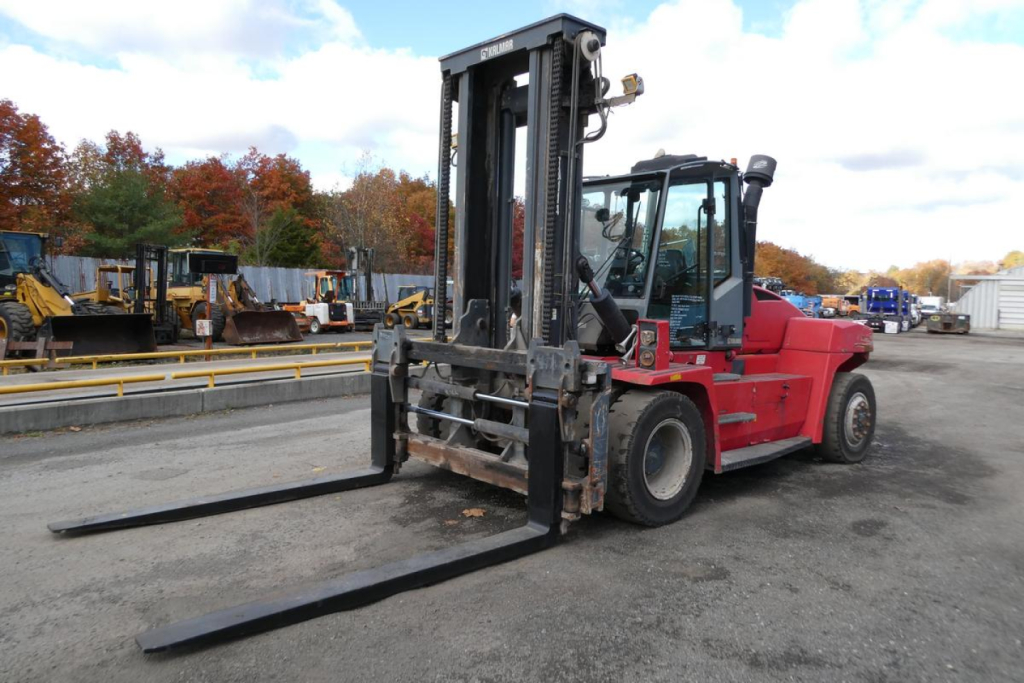
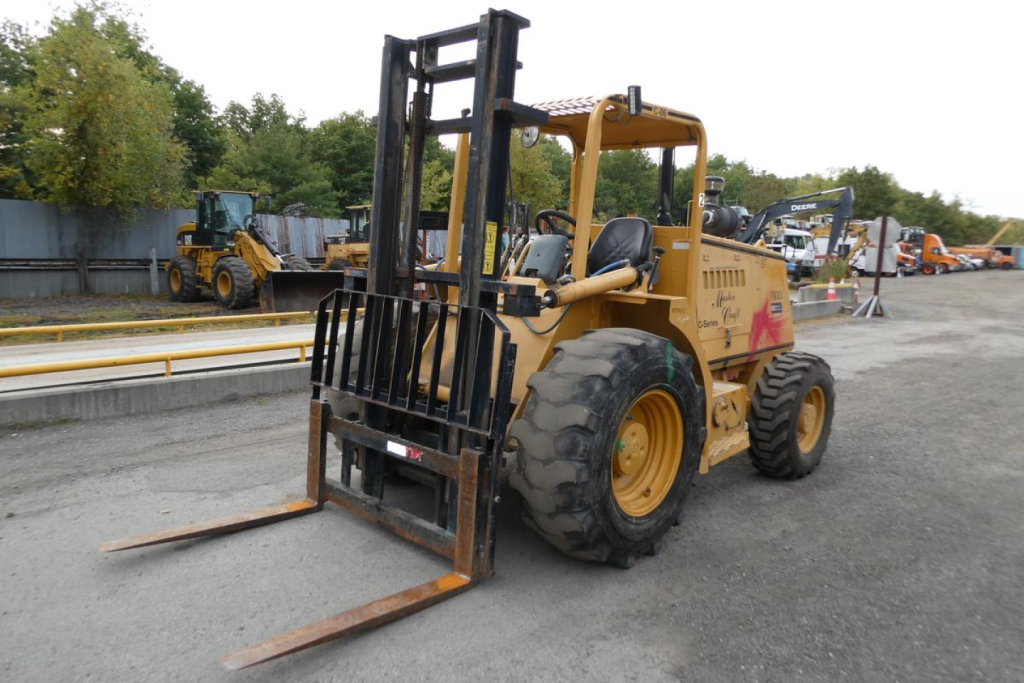
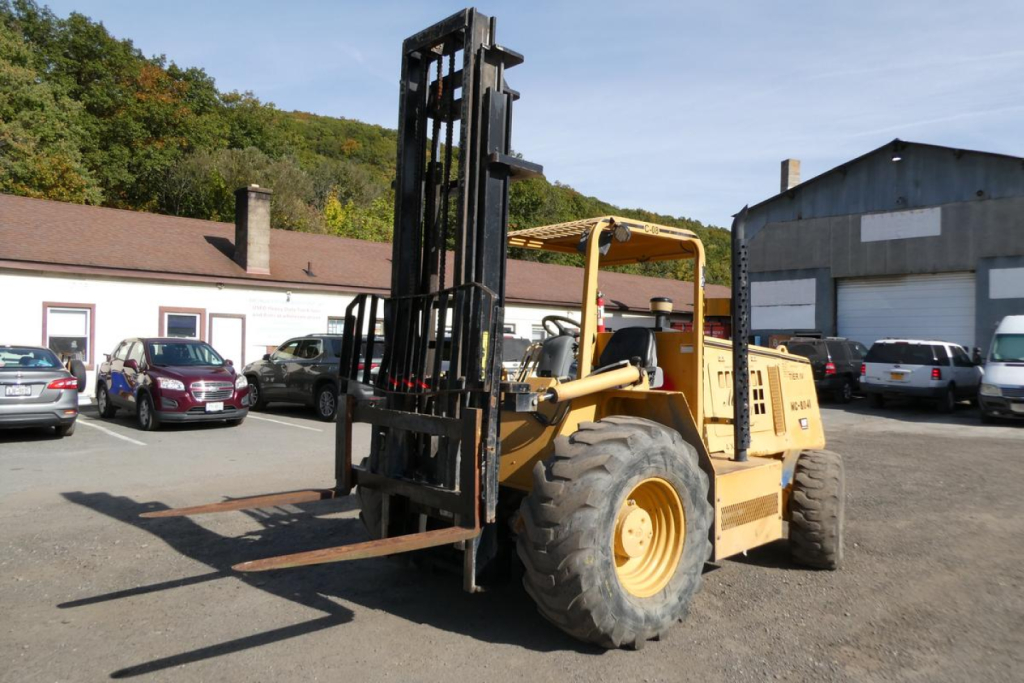
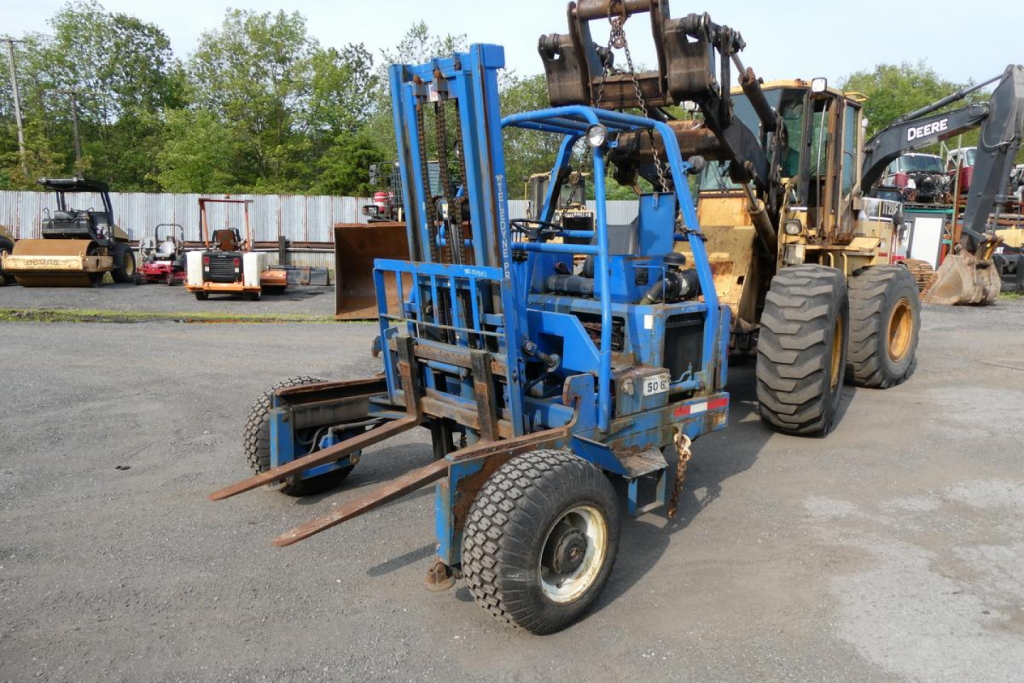
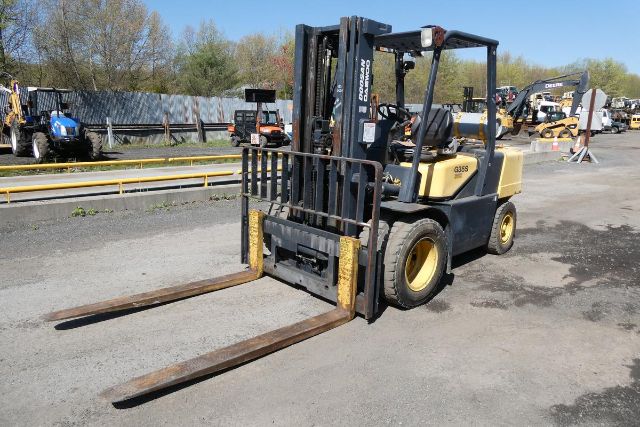
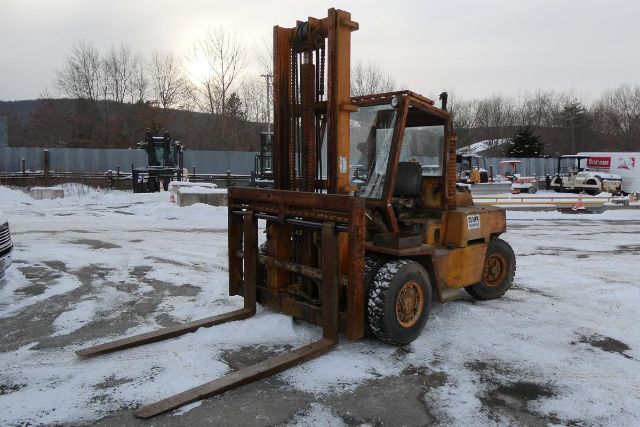
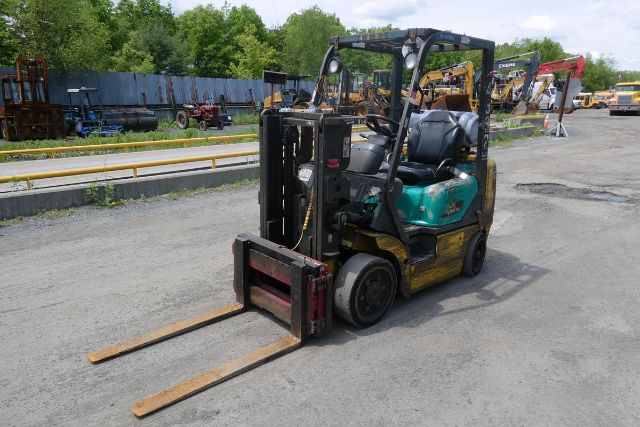
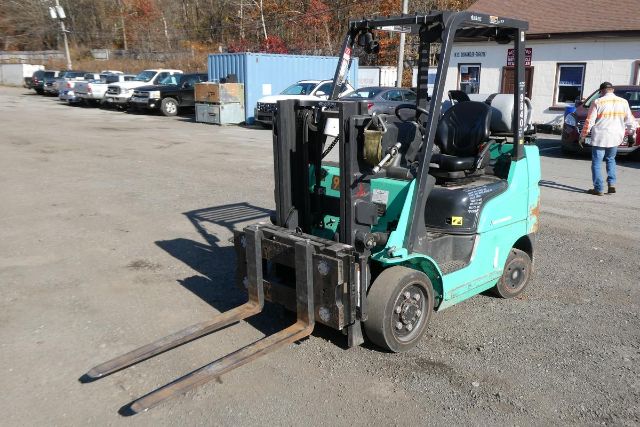
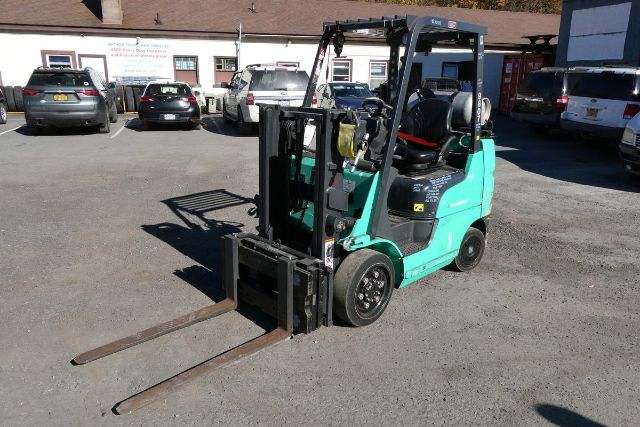
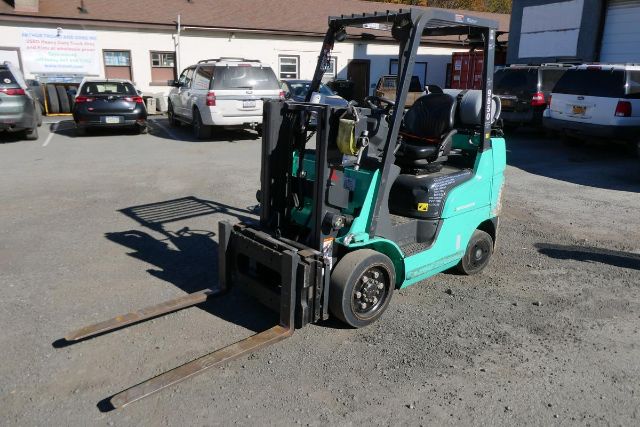
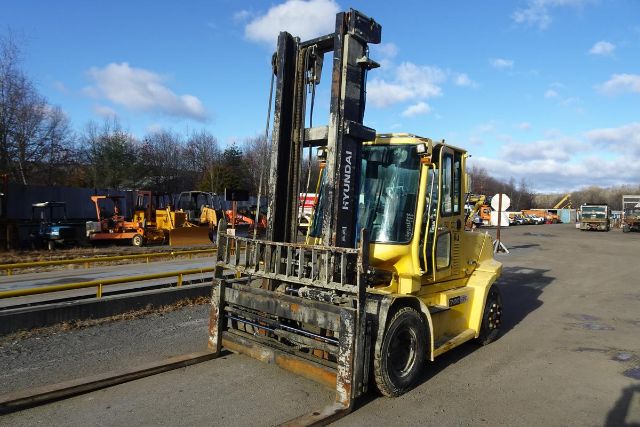
Showing 1 to 12 of 98 results
Have lifts - fork trucking equipment to sell? List it here to reach thousands of buyers.
About Lifts - Fork
Capacity is only the starting point. A fork truck rated at 5,000 pounds may not hold that full capacity at maximum lift height or with a long load center, so mast type and attachment setup matter. Buyers should pay close attention to duplex, triple, or quad mast configuration, collapsed height, maximum fork height, free lift, and whether the truck has side shift or a fourth valve for future attachments. Fork length, fork thickness, carriage class, and back tilt also affect how the machine fits the work. For loading vans and trailers, a lower overall height can be just as important as lift height. For rack work, a triple mast with higher reach and side shift is often the better fit.
Powertrain choice affects operating cost and where the lift can be used. Propane forklifts remain common because they refuel quickly, run clean enough for many indoor applications with ventilation, and handle mixed indoor-outdoor duty well. Most units use simple automatic or powershift-style directional control for constant forward-reverse cycling at the dock. When comparing used forklifts, hour meter readings help, but service condition matters more. Look closely at mast pins and rollers, chain wear, carriage slack, hydraulic cylinder leaks, steer axle play, transmission engagement, brake performance, differential noise, tire condition, and cold-start behavior. On older LP units, engine condition, regulator health, and ignition components can tell you more than the badge on the hood.
A good used fork truck should match the floor, load, and aisle conditions before anything else. Solid cushion tires are standard for indoor warehouse use and give a tighter turning radius, while pneumatic or foam-filled tires handle broken pavement, gravel, and outdoor yards better. Weight also matters because floor loading, trailer decking, and transport requirements can limit what you can use. If the truck will unload flatbeds, support a maintenance shop, or feed a production line, check visibility through the mast, operator compartment layout, and ease of service. The right forklift is not just a capacity number. It is the combination of lift height, stability, tire type, fuel system, and attachment readiness that fits the job cycle.
Frequently Asked Questions
What capacity fork lift is most common for general warehouse and dock work?
The most common used fork trucks for general warehouse, dock, and trailer loading work are in the 4,000 to 5,000 pound class. That range handles standard palletized freight well without the larger footprint and weight of a heavy-capacity machine. Buyers still need to confirm the actual load center and lift height because a truck's effective lifting ability can drop as loads get longer or the mast goes higher.
What is the difference between a duplex mast and a triple mast on a forklift?
A duplex mast has two stages and is typically simpler, with a lower maximum lift height than a triple mast. A triple mast adds another stage, allowing higher lift heights while keeping the collapsed height low enough for doors, trailers, and lower-clearance buildings. For warehouse racking and applications that need more reach without sacrificing maneuverability, a triple mast is often the preferred setup.
Are propane forklifts a good choice for mixed indoor and outdoor use?
Propane forklifts are a strong fit for mixed indoor-outdoor operation because they refuel quickly, maintain steady performance through long shifts, and are widely supported for parts and service. They are commonly used in warehouses, on loading docks, and in yards where electric charging infrastructure is not practical. Indoor use still depends on proper ventilation, emissions condition, and local safety requirements.
What should I inspect first on a used fork truck?
Start with the mast and hydraulic system, then move to the driveline and tires. Check for chain stretch, mast roller wear, cylinder leaks, carriage looseness, side shift function, and smooth lift and tilt operation under load. After that, inspect transmission engagement, brake response, steer axle play, differential noise, engine starting, and the overall condition of the tires, forks, and carriage.
How important are tire type and overall machine weight when buying a forklift?
Tire type and operating weight are major buying factors because they affect traction, turning radius, floor wear, and where the truck can safely work. Cushion-tire forklifts are best on smooth concrete and in tighter aisles, while pneumatic and foam-filled tires perform better outdoors on uneven surfaces. Machine weight also affects trailer transport, floor load limits, and whether the forklift can safely enter trailers or work on suspended slabs.