
Yale Lifts - Fork For Sale
Browse Yale fork lifts for sale, including cushion and pneumatic tire models with strong lift capacities for warehouse, yard, and plant use.
Learn more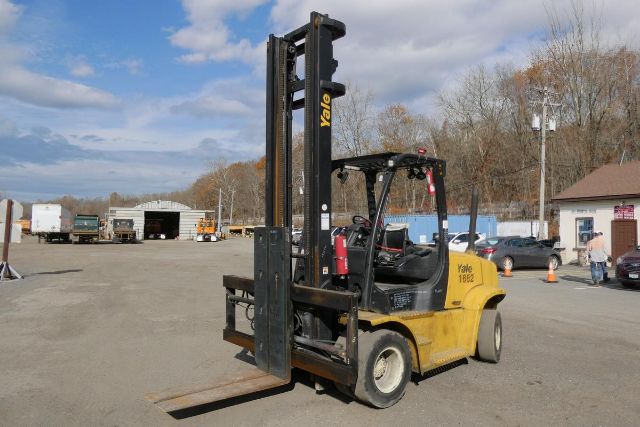
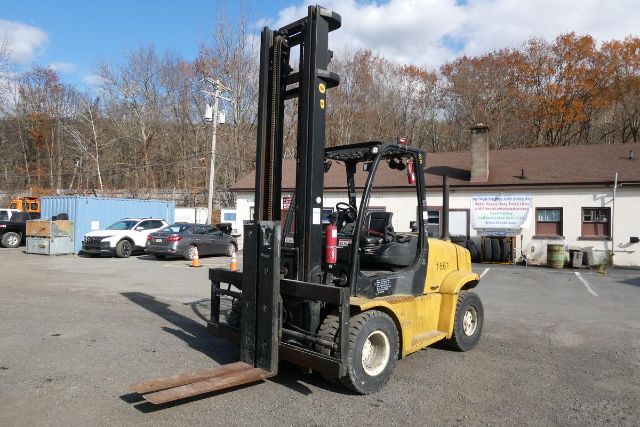
Have yale lifts - fork trucking equipment to sell? List it here to reach thousands of buyers.
About Yale Lifts - Fork
For most buyers, the first decision is capacity, tire type, and mast setup. Cushion tire Yale forklifts are typically selected for smooth concrete floors and tighter turning in warehouses, while pneumatic tire models are better suited for uneven pavement, lumber yards, pipe yards, and mixed indoor-outdoor use. Mast choice matters just as much as rated lift. A two-stage mast can be a good fit for lower overhead environments and simpler applications, while three-stage or full free-lift arrangements are more practical when stacking in tighter spaces or loading inside trailers and containers. Common features buyers look for include side shift, fork positioners, carriage options, hydraulic tilt, load backrests, and operator-assist functions such as auto leveling or onboard telematics.
Powertrain and operating environment should be matched carefully. LPG Yale forklifts are popular in mixed-use fleets because they refuel quickly and perform well in many industrial settings. Diesel models are often favored for heavier outdoor work, while electric Yale forklifts make sense where emissions, noise, and indoor air quality are bigger concerns. On higher-capacity trucks, pay close attention to actual lift capacity at the required load center, attachment derating, overall truck weight, mast lowered height, and turning radius. Solid pneumatic or cushion tires are common on industrial units, and buyers should check tire wear, steer axle condition, mast rollers, chain stretch, hydraulic leaks, brake response, and transmission engagement before purchase.
A used Yale fork truck should also be evaluated for how it fits the dock, yard, and trailer mix it will actually serve. Fork length, fork thickness, carriage width, overhead guard height, and collapsed mast height can all affect day-to-day usability more than engine specs alone. If the truck will unload flatbeds, move steel, handle bundled material, or work around heavy machinery, hydraulic attachment condition and chassis stability become especially important. Yale remains a well-known name in forklift equipment because these trucks are available in many configurations and are commonly supported by technicians who know the brand, which can simplify ownership over the long term.
Frequently Asked Questions
What should I look for first when buying a used Yale fork lift?
Start with the actual application. Capacity at the required load center, tire type, mast configuration, and attachment setup matter more than the badge on the hood. A Yale forklift that is ideal for warehouse pallet handling may be a poor fit for outdoor yard work or heavier loads with fork positioners. After confirming specifications, inspect hours, mast wear, chains, hydraulic cylinders, side shift operation, tire condition, brakes, steer axle play, and how the transmission engages in forward and reverse.
Are Yale forklifts better for indoor or outdoor use?
Yale makes forklifts for both environments, so the answer depends on the specific truck. Cushion tire models are generally better for indoor use on smooth floors because they turn tighter and sit lower. Pneumatic tire Yale forklifts are usually better outdoors or in mixed-use environments where the surface is rougher and traction matters more. Power source also affects suitability, with electric units often preferred indoors and LPG or diesel more common in heavier outdoor applications.
How important is mast type on a Yale fork truck?
Mast type is one of the most important buying decisions because it affects stacking height, visibility, and clearance. A two-stage mast can work well when overhead height is limited and the lift path is straightforward. A three-stage mast or full free-lift design is more useful when working inside trailers, containers, or tighter warehouse aisles where you need lift without excessive mast extension. Buyers should compare lowered mast height, maximum lift height, and free-lift capability to the real loading environment.
Do attachments reduce a Yale forklift’s lifting capacity?
Yes. Attachments such as side shifters, fork positioners, clamps, and specialty carriages usually reduce net lifting capacity because they add weight and can move the load center farther forward. That is especially important on higher-capacity Yale forklifts used in steel, machinery, and industrial material handling. Buyers should verify the data plate, confirm the truck’s rated capacity with the installed attachment, and make sure the hydraulic system is matched to the attachment’s operating requirements.