
Trucking Equipment For Sale
Explore used trucking equipment for yard and jobsite work. Compare forklifts, handlers, excavators, cranes and light towers by specs and hours.
Learn morePopular Trucking Equipment Categories
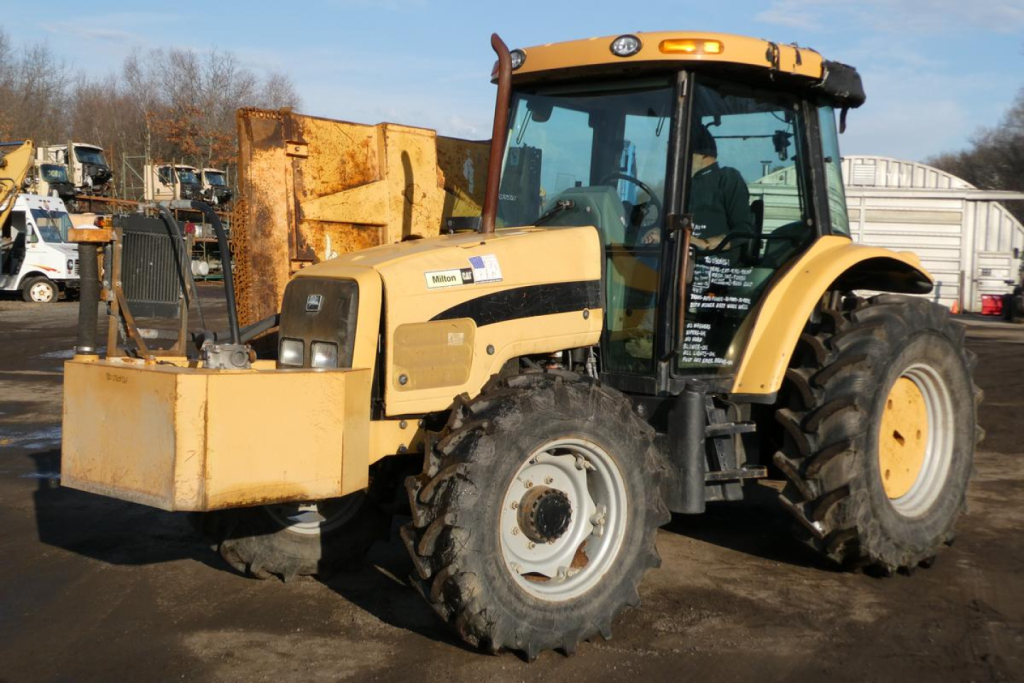
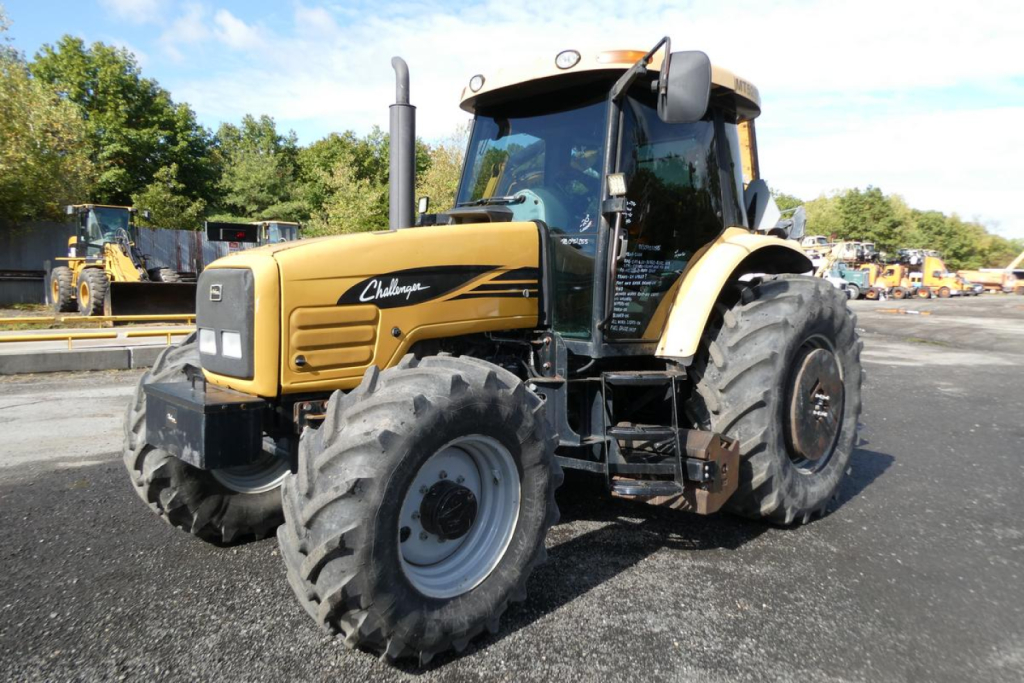
2008 Challenger MT455B

Showing 1 to 12 of 195 results
Have trucking equipment to sell? List it here to reach thousands of buyers.
About Trucking Equipment
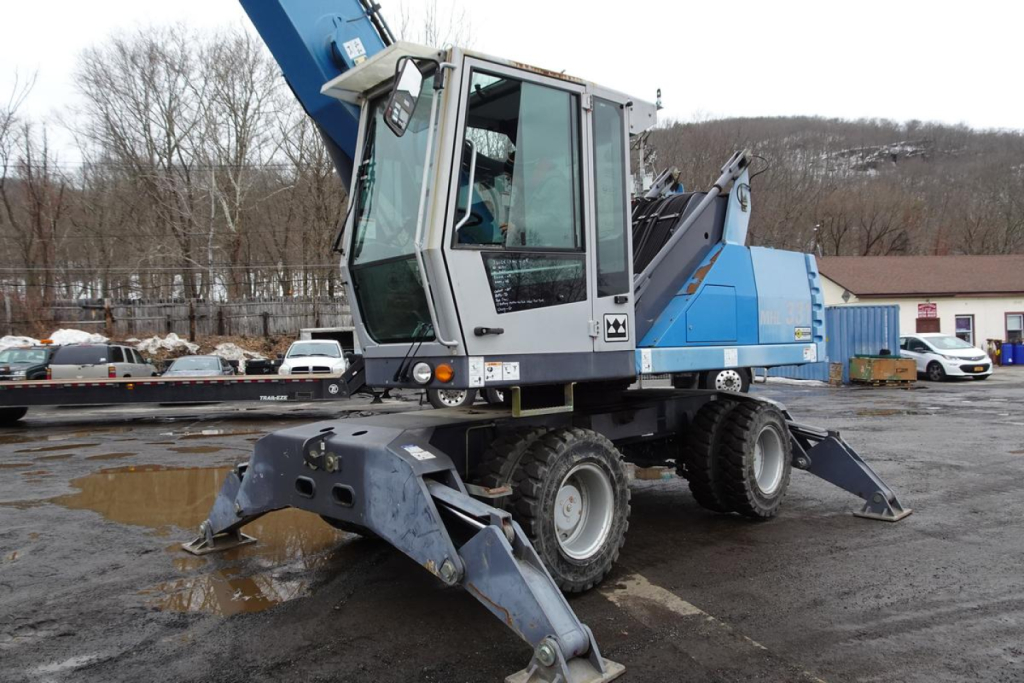
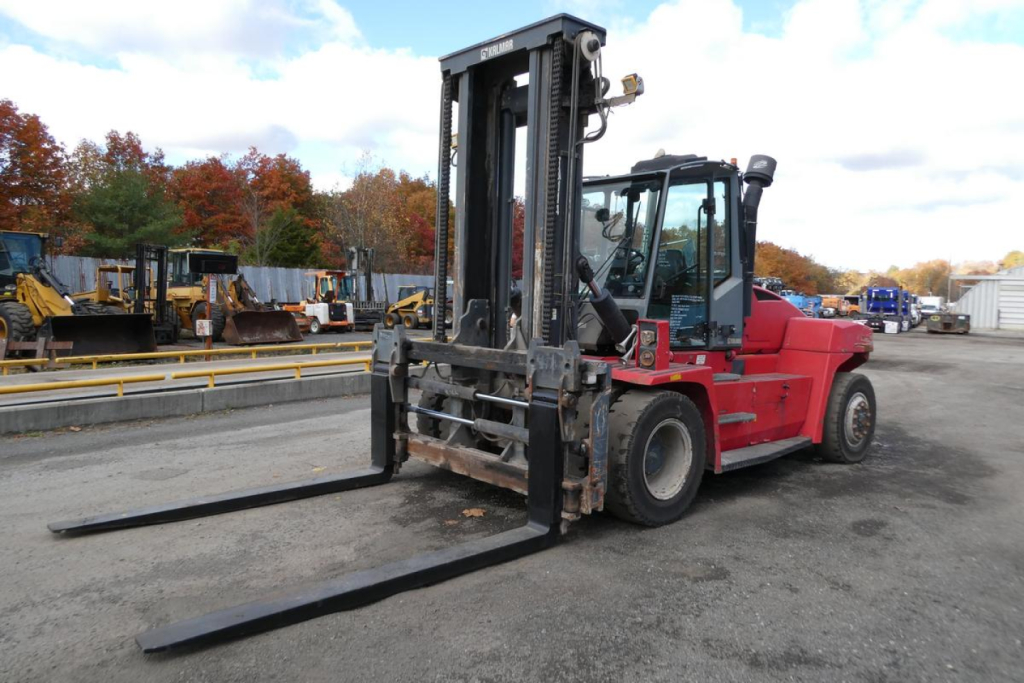
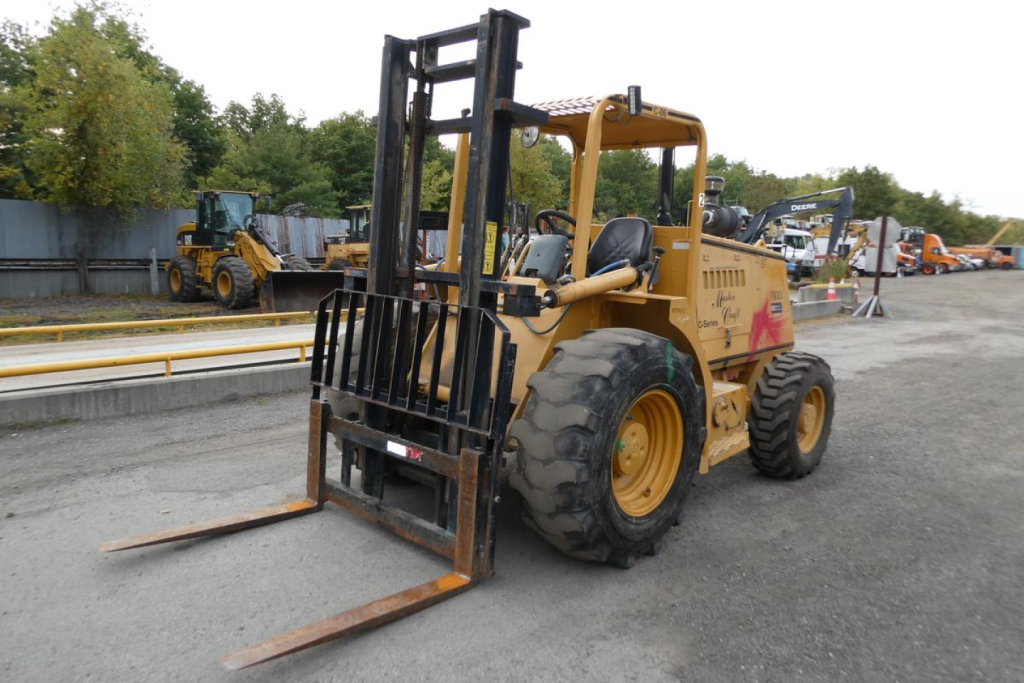
Material handling leads most fleets. For forklifts, capacity, mast height and free lift determine what you can safely stack or load into vans and containers. Cushion tires work best on smooth warehouse floors with tight aisles, while pneumatic or solid pneumatics handle rough yards and lumber or steel facilities. Diesel brings torque for outdoor use and heavy capacities, LPG offers quick refuel and low indoor emissions, and electric lowers noise and maintenance but demands battery management. Look for sideshift and fork positioner, carriage class, fork length, 2 or 3 stage mast, and travel speed. Telehandlers add reach and ground clearance for uneven sites. For recycling and scrap, purpose-built handlers with elevating cabs, grapples, auxiliary hydraulic circuits and heavy-duty cooling packages offer faster cycle times. Inspect slew rings, boom pins and bushings, hydraulic leaks and swing motors, then verify hours against ECM data if available.
Earthmoving and lifting bring different trade-offs. Excavators balance operating weight, dig depth, auxiliary flow and quick-coupler style against transport limits. Track life, roller and idler wear, final drive condition and undercarriage percent are major cost drivers. Cranes and knucklebooms require attention to load charts, outrigger spread, boom wear pads, sheaves, wire rope and LMI function. Confirm transport dimensions and weight to plan step-deck or RGN moves without surprises. For site support, light towers and towable gensets should be sized by lumens or kW, LED vs metal halide heads, run time at 50 to 75 percent load, sound attenuation, mast height, and hitch type with DOT lighting. Cold weather kits, block heaters and battery disconnects improve uptime in northern routes.
Ownership costs hinge on emissions package, parts availability and preventive care. Tier 3 machines avoid DEF and DPF but may face regional restrictions. Tier 4 Interim and Tier 4 Final add DOC, DPF and SCR systems that reduce fuel burn and noise but require proper regen and DEF handling. Telematics helps track hours, faults and service intervals. Review service logs, oil analysis and recent component work on pumps, injectors, turbos and cooling stacks. Confirm safety gear like ROPS or FOPS certification, backup alarms, beacons, work lights and cameras. Finally, plan transport with accurate weights, widths and tie-down points, and note if counterweights, buckets or booms must be removed to meet permit thresholds.
Frequently Asked Questions
How do I choose between cushion and pneumatic tire forklifts for my operation?
Cushion tires are ideal for smooth, dry warehouse floors and offer tight turning in narrow aisles. Pneumatic or solid pneumatic tires handle uneven yards, gravel and dock approaches with better ground clearance and puncture resistance. Match the tire type to your surface, then size capacity and mast height to your heaviest loads and racking or trailer door clearances.
What should I check on a used excavator or material handler before purchase?
Inspect the undercarriage for chain stretch, sprocket hooking, roller and idler wear, and track tension. Check slew ring play, boom and stick pins and bushings, cylinder rods and seals, and look for hydraulic leaks or case drain flow issues. Verify auxiliary hydraulic flow and coupler type for your attachments. Review oil analysis, sample hydraulic fluid, and compare hour meter readings to ECM or telematics data and service records.
How do Tier 4 Final emissions systems affect operating costs on diesel equipment?
Tier 4 Final machines typically run quieter with improved fuel efficiency, but they add components like DOC, DPF and SCR that require proper maintenance. Make sure DEF systems heat and dose correctly, confirm successful active and passive regen history, and check ash load or DPF service intervals. In colder climates, verify grid heaters and DEF tank heaters. A well maintained Tier 4 unit can lower fuel per hour, but abuse of the aftertreatment drives up costs.
What should I verify to safely transport heavy equipment between jobsites?
Confirm operating and transport weights, overall width, height and length. Choose step-deck or RGN based on clearance and weight, and plan axle groupings for state permit thresholds. Identify OEM tie-down points, secure attachments, and remove buckets or counterweights if needed. Check hitch type and brake requirements for towables like light towers. Accurate dimensions and photos help avoid delays and re-routes.
How do I size a light tower or towable generator for yard or night work?
For light towers, compare LED vs metal halide heads, total lumens, mast height and coverage area, then estimate run time from fuel tank size at typical load. For towable generators, match standby and prime kW to your tools or site trailer loads, confirm voltage and receptacle mix, and look for GFCI protection, hour meter, sound attenuation and cold weather options. Ensure the trailer meets your hitch and towing capacity.