
Wheel Loaders For Sale
Browse wheel loaders for sale, including tool carrier and bucket models, with key specs, attachment options, tire sizes, and operating weights.
Learn moreBrowse Wheel Loaders Equipment by Make
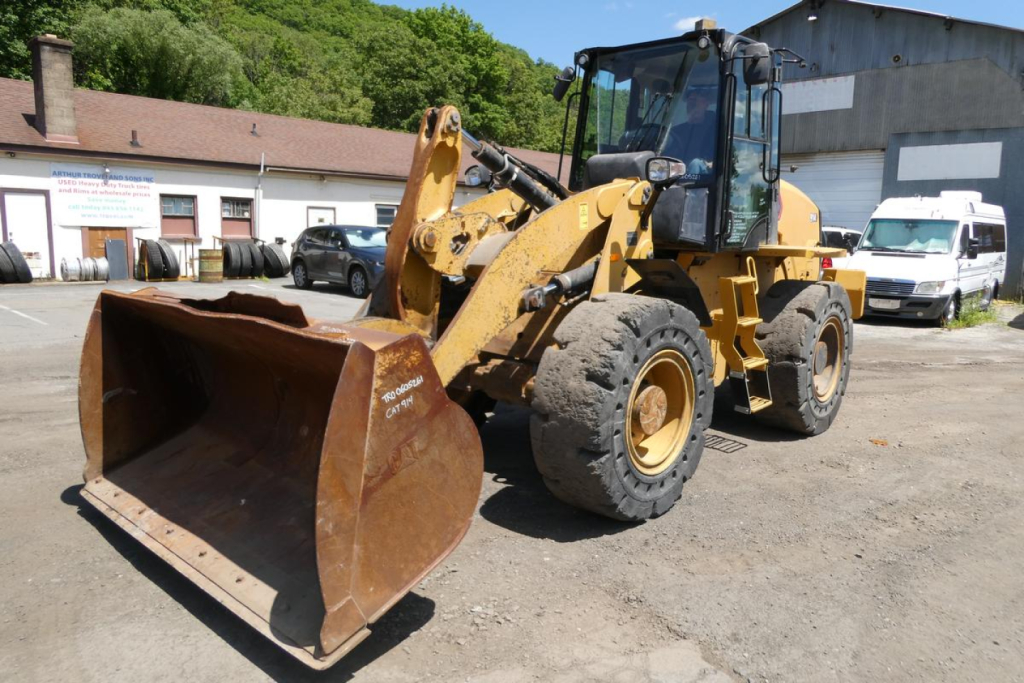
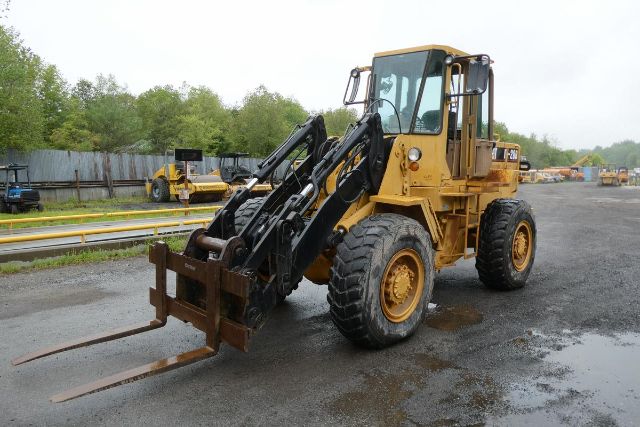
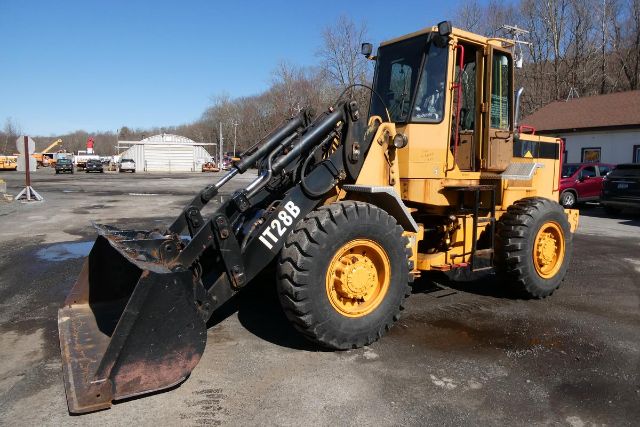
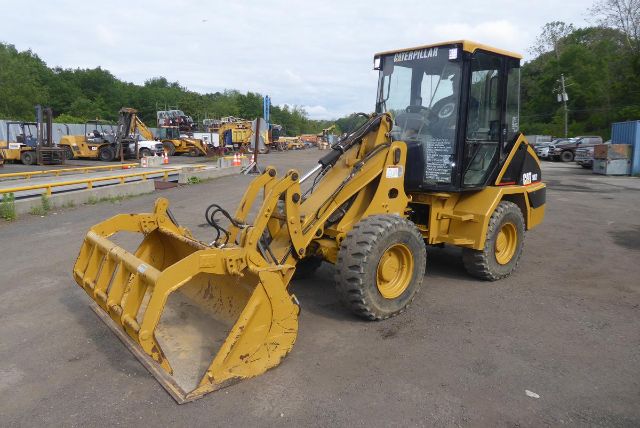
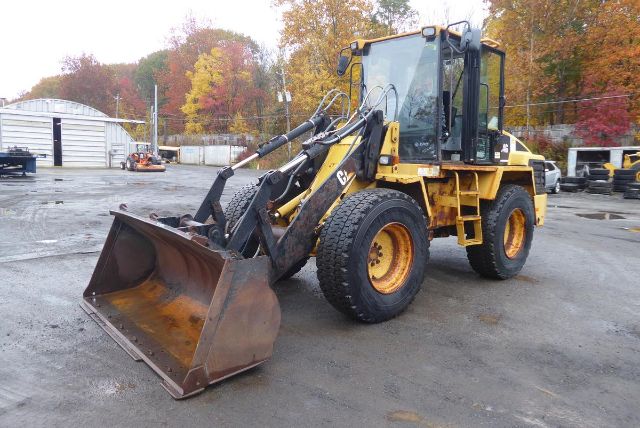
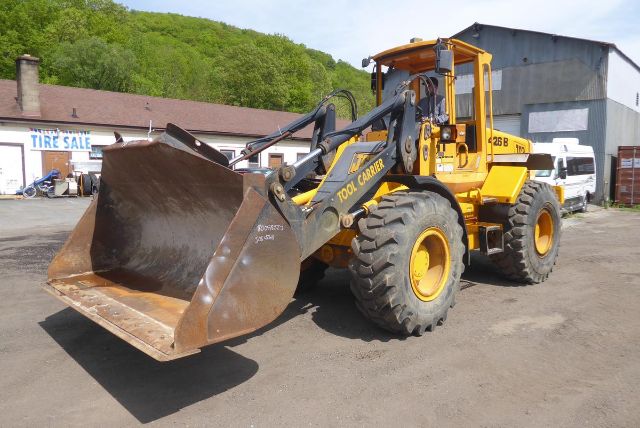
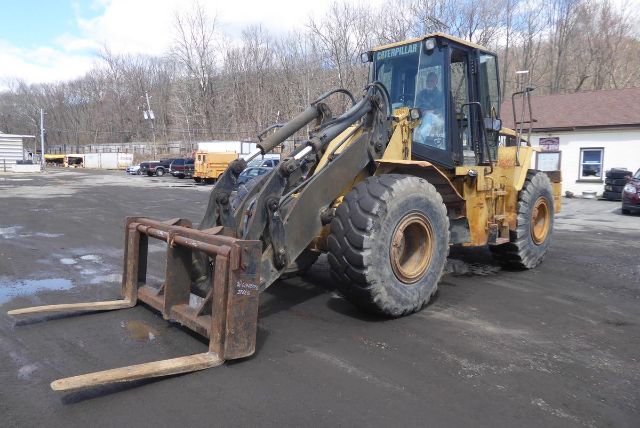
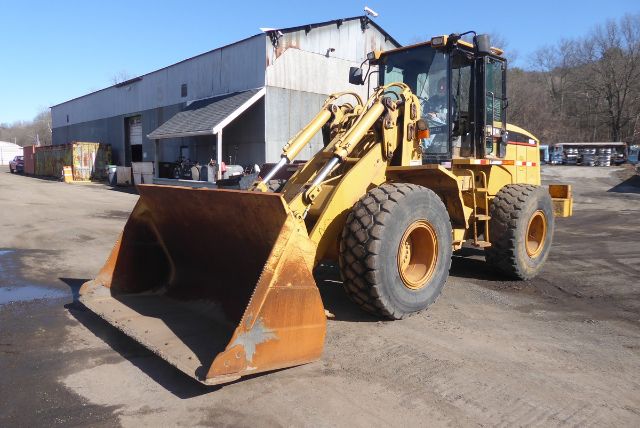
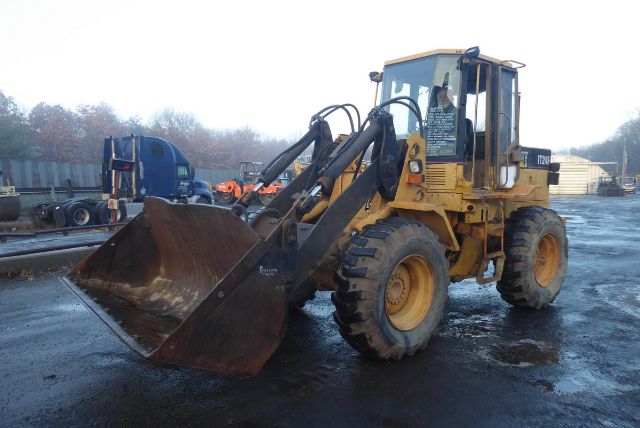
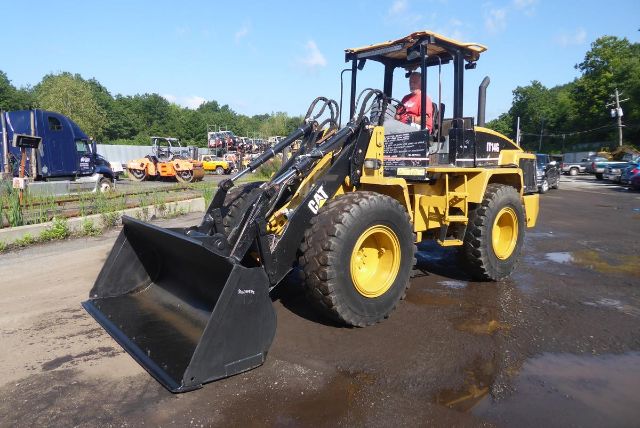
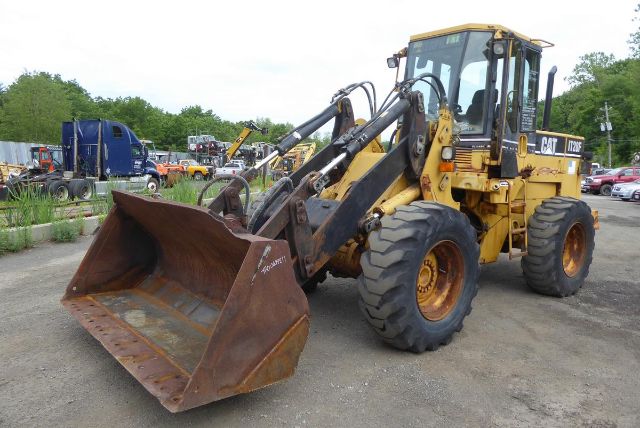
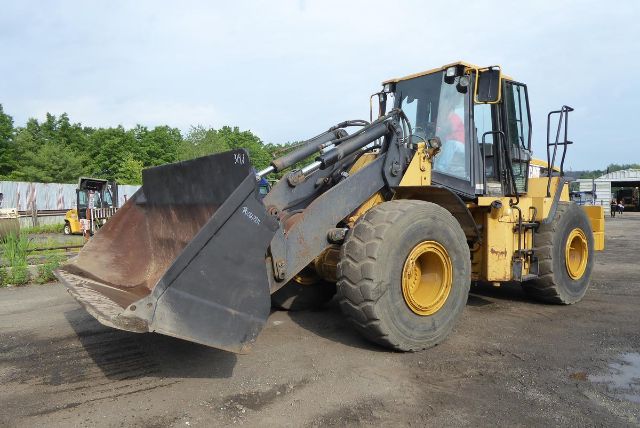
Showing 1 to 12 of 20 results
Have wheel loaders equipment to sell? List it here to reach thousands of buyers.
About Wheel Loaders
The first buying decision is usually size class. Smaller machines in the roughly 17,000 to 25,000 lb range are common for feed yards, lumber handling, municipal work, recycling, and general property maintenance. Larger units pushing 40,000 lbs and up are better suited for aggregate yards, heavier truck loading, and high-volume material movement. Engine output, operating weight, bucket capacity, and tire size all work together. Typical used machines in this category may run from under 100 hp into the 250 hp range, with common tire sizes such as 17.5R25, 20.5-25, and 23.5R25. Those numbers affect flotation, replacement cost, and stability under load, so they are not minor details.
Attachment setup is a major value driver on a wheel loader. Buyers should confirm whether the machine has a hydraulic quick coupler, third valve, ride control, and the correct linkage or carrier plate for the attachments they plan to run. Buckets vary by width, cubic yard rating, and cutting edge style, while fork packages can turn a loader into a practical yard machine for pipe, palletized material, bundled product, or jobsite support. Ride control is especially useful when carrying loads across rough yards because it reduces material spillage and improves operator comfort. On toolcarrier units, lift geometry and coupler compatibility can be just as important as raw horsepower.
Condition evaluation should focus on articulation joints, boom pins and bushings, hydraulic cylinder seepage, transmission shift quality, brake response, tire wear, and any looseness in the loader linkage. Cab configuration also matters, with enclosed ROPS cabs generally preferred for all-weather operation. Hour meters on older loaders can be informative, but maintenance history and current operating condition usually matter more than the number alone. A well-matched wheel loader should have enough hydraulic performance and stability for the application without carrying excess machine weight, fuel burn, and tire expense that the job does not justify.
Frequently Asked Questions
What is the difference between a wheel loader and an integrated toolcarrier?
A wheel loader is generally set up for bucket work, digging, and bulk material movement, while an integrated toolcarrier is designed for attachment versatility. Toolcarrier models often provide better parallel lift characteristics and faster switching between forks, buckets, and other front tools. If the machine will spend most of its time loading aggregate or moving dirt, a conventional wheel loader may be the better fit. If it will handle pallets, pipe, feed, or mixed yard duties, a toolcarrier-style machine can be more efficient.
What specs matter most when comparing used wheel loaders?
Operating weight, engine horsepower, bucket capacity, lift geometry, tire size, and attachment configuration are the core specs to compare first. Buyers should also look closely at transmission type, hydraulic quick coupler setup, third-function hydraulics, ride control, and overall machine dimensions. Those details affect what the loader can lift, how stable it feels, how easily it fits in a yard or on a trailer, and how expensive it will be to operate and maintain.
Are wheel loaders suitable for fork work as well as bucket work?
Yes, many wheel loaders, especially toolcarrier configurations, are commonly used with forks for yard handling and support work. The key is making sure the machine has the correct coupler, fork carriage, hydraulic setup, and lift geometry for the load. Fork work places a premium on visibility, stability, and linkage design, so a machine that performs well with a bucket is not automatically ideal for pallet or pipe handling. Rated capacity with the intended attachment should always be confirmed.
What should I inspect on a used wheel loader before buying?
Pay close attention to center articulation play, loader arm pins and bushings, hydraulic hoses and cylinders, transmission engagement, axle noise, brake function, steering response, and tire condition. Check for excessive smoke, hard starting, and signs of poor cooling system or drivetrain maintenance. On attachment-capable machines, inspect the quick coupler, third valve plumbing, and any wear in the carrier plate or locking system. A loader can run and still have enough looseness or hydraulic wear to create expensive repairs later.
How do I choose the right size wheel loader for my operation?
Start with the material being handled, the attachment you will use most, the truck height you need to load, and the space available to maneuver. A smaller wheel loader is easier to transport, generally cheaper on fuel and tires, and often sufficient for light aggregate, mulch, snow, or yard handling. A larger machine offers more bucket capacity, lift capability, and production in repetitive loading applications, but it also brings higher purchase, maintenance, and operating costs. The right choice is the smallest machine that can safely and consistently meet the job's lift, reach, and cycle-time requirements.