
Paving & Compaction For Sale
Shop paving and compaction equipment including vibratory rollers and asphalt drums with specs on weight, drum width, vibration, and condition.
Learn moreBrowse Paving & Compaction Trucking Equipment by Make
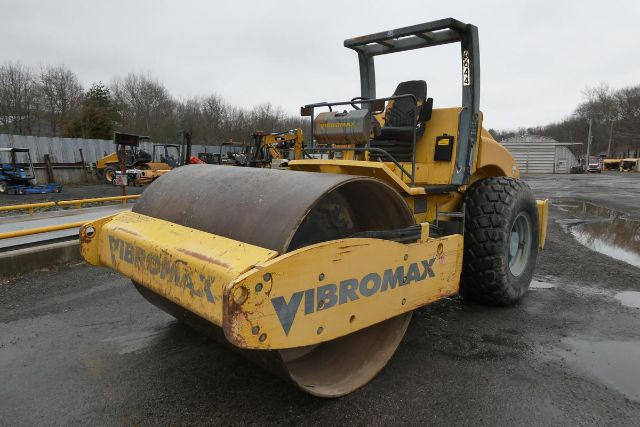
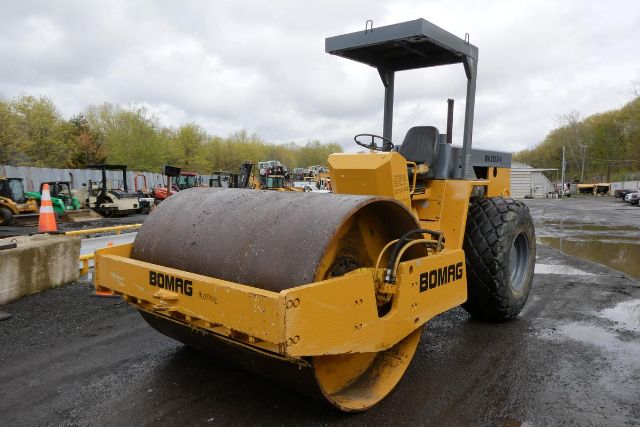
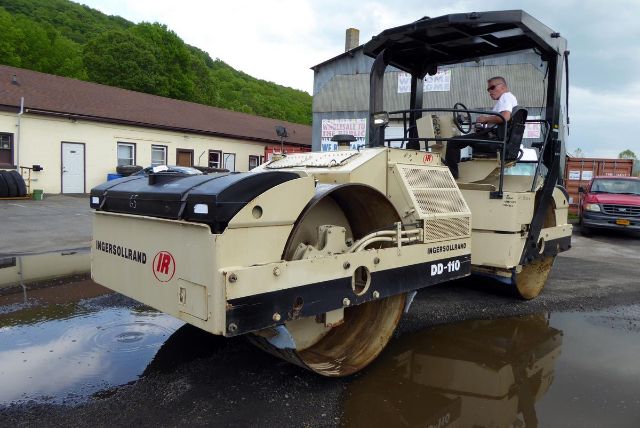
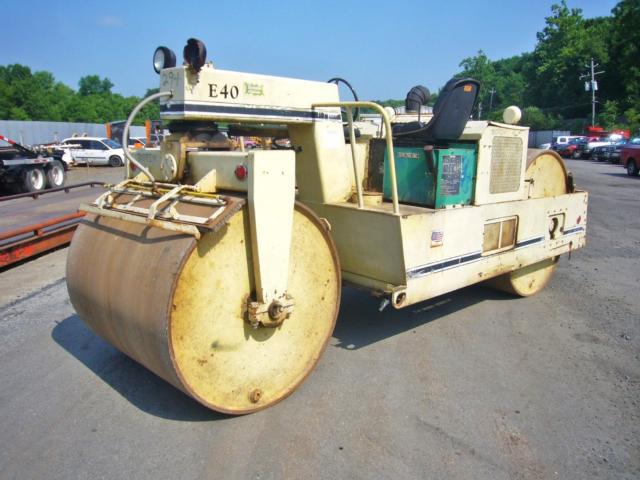
Have paving & compaction trucking equipment to sell? List it here to reach thousands of buyers.
About Paving & Compaction
A buyer should pay close attention to operating weight, drum width, vibration system, and drive type before comparing age or paint. Smaller rollers in the roughly 5 to 6 foot width class can be easier to move between tight jobs and urban work zones, while 7 to 7.5 foot drum machines better match wider lane and lot work. Operating weights in this segment commonly run from around 20,000 to 25,000 pounds, which affects transport planning, ground pressure, and compaction performance. Most machines use hydrostatic drive for smooth speed control and frequent direction changes. On vibratory units, buyers should confirm that both frequency and amplitude functions work correctly, and whether the machine offers dual amplitude, front-only, rear-only, or simultaneous drum vibration.
Engine and support systems matter because many paving and compaction machines spend long hours at low travel speed in hot, dusty conditions. Common powerplants in older and mid-range used rollers include Cummins, Deutz, and John Deere diesel engines, often in simple mechanical configurations that are easier to troubleshoot than later electronic packages. Drum condition is critical. Check for shell wear, edge damage, leaks at drum motors or vibration housings, and play in articulation joints, pins, and bushings. On asphalt rollers, inspect the water spray system closely, including tanks, pumps, filters, bars, and nozzles, since poor water coverage leads to material pickup on the drums. Open ROPS is common on older machines, so buyers should also consider operator environment, visibility, and local jobsite safety requirements.
Used paving and compaction equipment is often judged by how well the vibration system, hydrostatic travel, steering articulation, and water system perform under load rather than by hour meter readings alone. Hour meters can be replaced, disconnected, or estimated on older machines, so service history and functional inspection carry more weight. If the machine will be moved regularly with a tag trailer or lowboy, verify transport height, overall length, and tiedown points. For asphalt contractors, smooth starts, even drum wetting, and consistent vibration engagement are key. For dirt and base work, buyers usually prioritize gradeability, drum width, compaction force, and tire or drum configuration. A good machine in this category should match the material being compacted, the lane width or site size, and the hauling setup that gets it from job to job.
Frequently Asked Questions
What is the difference between a tandem drum roller and a single drum vibratory roller?
A tandem drum roller uses steel drums front and rear and is primarily used on asphalt for finish work, parking lots, streets, and patching. A single drum vibratory roller has one steel drum and rear tires, and it is generally used for compacting soil, gravel, and base material where deeper compaction is needed. The right choice depends on whether the machine will be working on hot mix asphalt or on dirt and aggregate before paving begins.
What specs matter most when buying used paving and compaction equipment?
Operating weight, drum width, vibration function, hydrostatic drive performance, and overall drum condition are usually the most important specs. Buyers should also review engine make, horsepower, transport dimensions, articulation joint wear, and whether support systems such as water spray bars and nozzles are complete and working. On used rollers, a clean functional test often tells more than the hour meter.
How do I know if the vibration system on a used roller is in good condition?
The vibration system should engage smoothly, maintain consistent drum action, and work in every available mode such as front drum, rear drum, both drums, or high and low amplitude if equipped. Warning signs include weak compaction, unusual drum noise, oil seepage at the drum housing, broken shafts, and vibration that only works intermittently or only in manual mode. Repairs inside the drum can be expensive, so this is one of the first systems to verify.
Why is the water spray system important on asphalt rollers?
The water system keeps hot asphalt from sticking to the drums during rolling. If nozzles are clogged, pumps are weak, or spray bars do not provide even coverage, material can build up on the drum and damage mat quality. Buyers looking at asphalt rollers should inspect tanks, lines, filters, spray bars, pumps, and nozzles and confirm that the system wets both drums evenly.
Are older mechanical-engine rollers still a practical buy?
Yes, many older rollers with mechanical diesel engines remain practical for contractors who want simpler serviceability and lower acquisition cost. Machines powered by mechanical Cummins, Deutz, or John Deere engines can be easier to diagnose in the field than later emissions-equipped units. The key is to evaluate actual condition, parts support, drum and hydraulic health, and whether the machine's compaction capability matches the work it will be doing.