
Bomag Paving & Compaction For Sale
Shop Bomag paving and compaction equipment listings, including rollers and compactors built for soil, base, asphalt, and site prep work.
Learn more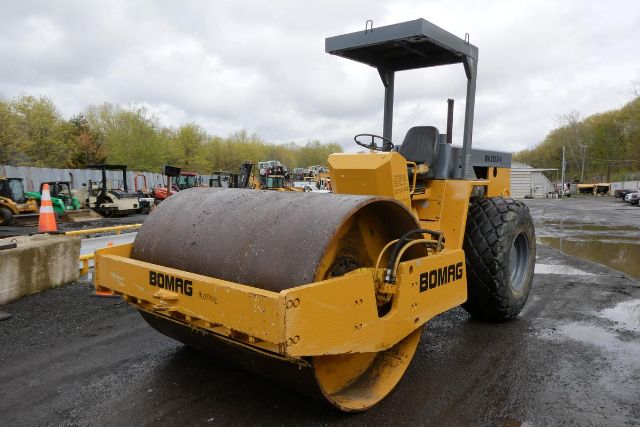
Have bomag paving & compaction trucking equipment to sell? List it here to reach thousands of buyers.
About Bomag Paving & Compaction
For soil and subgrade work, operating weight, drum width, amplitude, and centrifugal force matter more than paint or model year. A machine in the 20,000-pound class with a hydrostatic drive and a diesel engine is a common fit for general earthwork and municipal paving support. Buyers should pay close attention to whether the roller is smooth drum or padfoot capable, open ROPS or enclosed, and whether the vibration system engages correctly under load. On used Bomag compactors, drum bearing condition, hydrostatic response, articulation play, engine cooling performance, and any fault in the exciter shaft or vibration circuit can have a direct effect on productivity and repair cost.
Bomag has a strong reputation in compaction, so parts support, model familiarity, and resale value tend to be favorable compared with lesser-known brands. Deutz-powered units are common on older machines, and many are valued for straightforward mechanical serviceability. On a used paving and compaction machine, meter accuracy is not always guaranteed, so condition should be judged by service records, drum shell wear, leaks, steering response, brake function, and how the machine performs at full operating temperature. Tire size, drum width, transport dimensions, and trailer weight also matter if the machine will be moved frequently between jobsites.
The best Bomag paving and compaction equipment choice depends on the material being compacted and the finish required. Single drum vibratory rollers are typically the first look for dirt, fill, and stone base. Tandem drum rollers are better suited to asphalt finish work where mat quality and surface consistency matter. Contractors comparing listings should match the machine to lift thickness, compaction spec, haul plan, and maintenance budget first. A lower-cost unit can still be a practical buy if the drum, hydrostat, and vibration system are sound, while a cleaner machine with compaction issues can become expensive quickly.
Frequently Asked Questions
What is Bomag paving and compaction equipment commonly used for?
Bomag paving and compaction equipment is commonly used for compacting soil, gravel, crushed stone, base material, and asphalt on roads, parking lots, subdivisions, utility trenches, and commercial sitework. Single drum rollers are typically used for earthwork and subgrade compaction, while tandem rollers are more common on asphalt paving jobs where smooth finish and uniform density are critical.
What should I inspect first on a used Bomag roller?
Start with the vibration system, hydrostatic drive, articulation joint, and drum condition. A used compactor can run and drive normally but still have expensive issues in the exciter mechanism, drum bearings, or hydraulic system. Check for proper vibration engagement, unusual noise in the drum, hydraulic leaks, steering looseness, and signs of uneven drum shell wear. Service history and cold-start behavior are also important indicators of overall condition.
How do I choose between a single drum roller and a tandem roller?
A single drum roller is generally the right choice for soil, fill, aggregate, and base preparation because it delivers strong compaction force into thicker lifts. A tandem roller is generally preferred for asphalt because both steel drums help produce a smoother finished surface. The decision should be based on the material being compacted, target density, lift thickness, and whether the machine is supporting grading crews or paving crews.
Are older Bomag compactors still practical to own?
Older Bomag compactors can still be practical machines if the core systems are sound and parts support remains available. Many buyers value older units for simpler controls and easier field service, especially machines with mechanical diesel engines and straightforward hydrostatic systems. The key is confirming that the vibration system, engine, hydraulics, and structural components are still in working order, since those repairs can outweigh the lower purchase price.
What transport and sizing specs matter most on a compactor listing?
Operating weight, drum width, overall width, overall height, and transport length are the most important specs for hauling and jobsite access. These dimensions affect trailer selection, permit requirements, and the machine's ability to work in confined areas. Tire size and drum width also influence flotation, stability, and pass coverage, so they matter both for transport planning and daily production.