
Ferguson Paving & Compaction For Sale
Browse Ferguson paving and compaction equipment including rollers and compactors built for asphalt, base prep, patching, and site work.
Learn more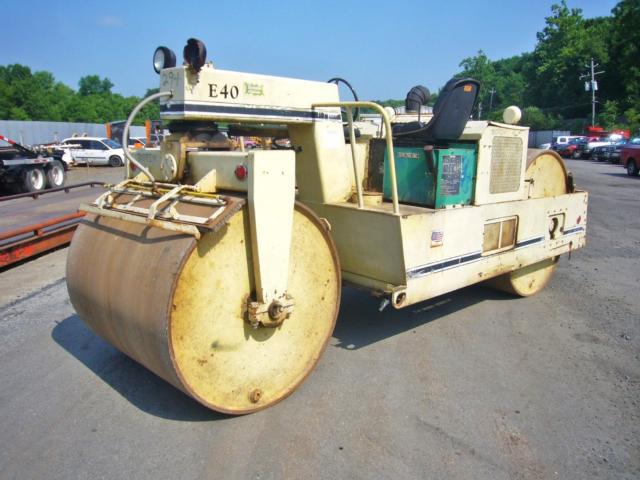
Have ferguson paving & compaction trucking equipment to sell? List it here to reach thousands of buyers.
About Ferguson Paving & Compaction
A typical Ferguson roller in this category may use a diesel engine, hydrostatic drive, and steel drum setup sized for finish compaction or intermediate passes on asphalt. Buyers should pay close attention to drum width, drum diameter, machine weight, and whether the unit is better suited for asphalt mat work or subgrade and aggregate compaction. On older rollers, condition matters more than hour meter readings alone. Check hydrostatic response, steering play, drum surface wear, articulation points, brake function, engine cold-start behavior, and any evidence of hydraulic leaks. Drum shell condition is especially important because pitting, flat spots, or repairs can affect mat quality and compaction consistency.
For contractors, municipalities, and property maintenance crews, Ferguson compactors can make sense when a simpler machine is preferred over newer electronics-heavy equipment. Transport dimensions and jobsite mobility are also worth reviewing, especially if the roller will move often between small paving jobs. Measure trailer compatibility, tie-down points, and legal hauling weight before buying. Parts support on older paving and compaction equipment should always be part of the buying decision, including availability of engine components, hydraulic service parts, drums, bearings, and operator controls.
The most valuable Ferguson paving and compaction machines are usually the ones with a clean service history, straight drums, predictable hydrostatic operation, and no major structural repairs around the frame or drum supports. Buyers shopping this category often compare overall compaction performance, ease of service, and cost per hour rather than just purchase price. A well-kept Ferguson roller can still be a practical fit for light to medium-duty paving programs where mechanical simplicity, compact size, and dependable pass-to-pass consistency matter most.
Frequently Asked Questions
What type of paving and compaction equipment is Ferguson most known for?
Ferguson is commonly associated with steel drum rollers and compactors used in asphalt paving, patching, and general compaction work. Many machines in this category are older, mechanically simpler units designed for reliable operation without complex electronics. That makes them attractive to buyers who want a roller for municipal work, parking lots, farm lanes, or smaller commercial paving projects.
What should I inspect first on a used Ferguson roller?
Start with the drum condition, hydrostatic drive performance, steering response, and the engine under cold-start and operating temperature conditions. Drum damage, uneven wear, hydraulic leaks, and excessive play in articulation or steering components can affect both finish quality and operating cost. On older machines, overall maintenance condition usually tells you more than the hour meter by itself.
Are older Ferguson compactors still practical for current paving work?
They can be, especially for buyers handling lighter-duty asphalt jobs, patching, lot work, and maintenance programs. Their main advantage is mechanical simplicity, which can make them easier to troubleshoot and maintain in the field. The tradeoff is that buyers need to verify parts availability, service access, and the actual condition of key wear components before committing.
How do I choose the right Ferguson compactor size?
Match the machine to the width of the work, the lift thickness, the material being compacted, and how often the unit needs to be hauled. A narrower, lighter roller can be easier to transport and better for confined areas, while a heavier machine with larger drums may deliver better results on broader asphalt surfaces. Operating weight, drum width, and overall dimensions are usually the core specifications to compare first.
Why is hydrostatic transmission important on paving rollers?
Hydrostatic drive gives the operator smooth speed control and better precision during compaction passes. That matters on asphalt because sudden changes in speed or direction can affect mat finish and density consistency. When evaluating a used Ferguson unit, smooth hydrostatic engagement and predictable travel response are strong indicators of serviceable condition.