
Ingersoll-Rand Paving & Compaction For Sale
Browse Ingersoll-Rand paving and compaction equipment, including double drum rollers built for asphalt density, smooth finishes, and reliable jobsite performance.
Learn more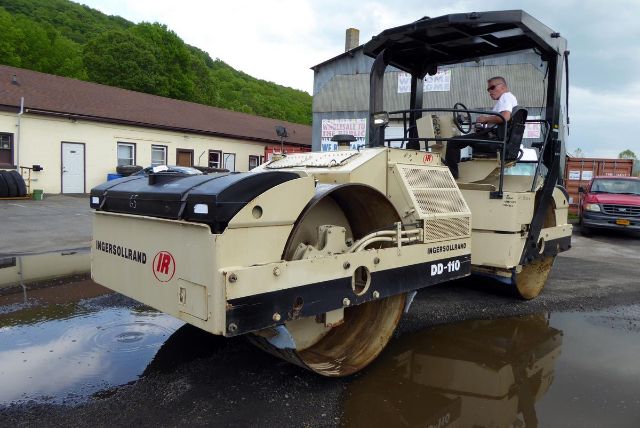
Have ingersoll-rand paving & compaction equipment to sell? List it here to reach thousands of buyers.
About Ingersoll-Rand Paving & Compaction
A typical Ingersoll-Rand tandem roller in this class may use a mechanical diesel engine from Cummins, hydrostatic propulsion, and dual smooth drums in widths that fit general-purpose paving work. Operating weights often fall into the mid-size range suited for parking lots, subdivision roads, and lane work without moving into the transport demands of larger highway rollers. On many machines, vibration can be run on the front drum, rear drum, or both, which helps the operator match compaction energy to lift thickness and surface conditions. Water spray function matters more than some buyers expect because poor nozzle condition, weak pumps, or uneven coverage can lead to asphalt pickup and reduced finish quality.
Condition matters more than age with used paving and compaction equipment. Check for drum edge wear, drum shell damage, vibration bearing health, hydrostatic response, articulation joint play, and seepage at hydraulic components. On open-ROPS machines, operator station wear can also tell you a lot about overall care. Service records on replacement engines, rebuilt drum gearboxes, cooling system work, and hydraulic repairs add real value because these are expensive areas to correct after purchase. Transport dimensions and jobsite access should also be part of the decision, especially if the roller needs to move frequently between urban paving jobs.
For buyers comparing Ingersoll-Rand paving rollers against other compaction equipment brands, the appeal is usually parts familiarity, simple controls, and a long-established footprint in roadbuilding fleets. These machines are often chosen by paving contractors, site crews, and municipalities that need reliable density control on asphalt surfaces without unnecessary electronics. The right unit depends on the type of work being done most often: lighter rollers for patching and small lots, or heavier tandem compaction equipment for longer pulls and wider paving passes.
Frequently Asked Questions
What is Ingersoll-Rand paving and compaction equipment commonly used for?
Ingersoll-Rand paving and compaction equipment in this category is commonly used for asphalt compaction on roads, parking lots, drive lanes, patch work, and commercial paving projects. Double drum vibratory rollers are especially suited for finish rolling and density work on hot mix asphalt. Contractors and municipalities also use them for subdivision streets, maintenance paving, and general surface compaction where a smooth drum machine is preferred.
What should I inspect first on a used Ingersoll-Rand double drum roller?
Start with the drums, vibration system, and hydrostatic drive. Look for flat spots, shell damage, cracked drum welds, edge wear, and any sign that vibration is weak or inconsistent. Then check articulation and center joint play, hydraulic leaks or seepage, water spray operation, and overall engine performance under load. A roller can start and move normally while still having expensive issues in the vibration system or water system that affect paving results.
Why is the water system important on a paving roller?
The water system keeps asphalt from sticking to the drums during compaction. If spray bars, pumps, filters, or nozzles are plugged, missing, or uneven, the drum surface can pick up material and mark the mat. That directly affects finish quality and can create cleanup and rework on the job. On a used machine, complete water coverage across both drums is an important functional check, not a minor convenience item.
Are older Ingersoll-Rand rollers still practical for contractors?
Yes, many older Ingersoll-Rand rollers remain practical because they use proven diesel engines, straightforward hydrostatic systems, and simpler controls than some newer machines. That can make them attractive for fleets that want a compactor that is easy to operate and maintain. The key is actual mechanical condition, especially in the drums, vibration components, articulation area, cooling system, and hydraulics. A well-maintained older roller can still be a productive asphalt compaction machine.
How do I choose the right size Ingersoll-Rand paving roller?
Match the roller to the width of your paving work, target density, transport limits, and the kinds of jobs you handle most often. Mid-size tandem rollers are a strong fit for parking lots, neighborhood streets, and general commercial paving because they balance compaction performance with maneuverability. Larger machines can improve production on wider pulls, but they may add hauling complexity and be less efficient in tight urban jobsites. Drum width, operating weight, and vibration settings should all be considered together.