
Sweeper Trucks For Sale
Sweeper trucks for sale: compare mechanical broom, regenerative air, and vacuum models. Specs, dump heights, hopper sizes, compliance, maintenance.
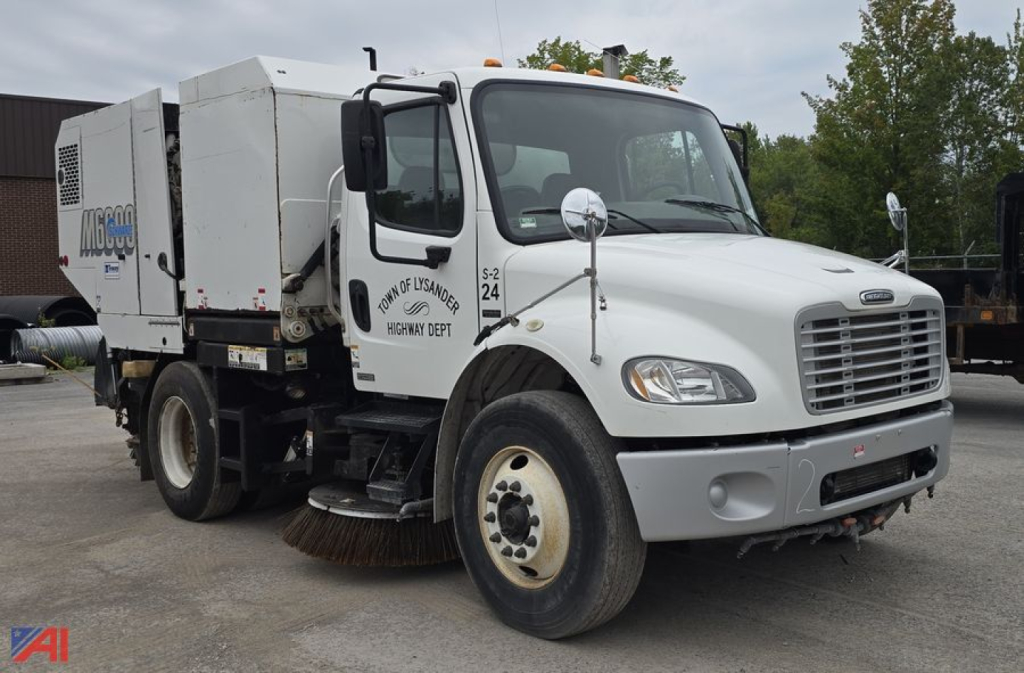
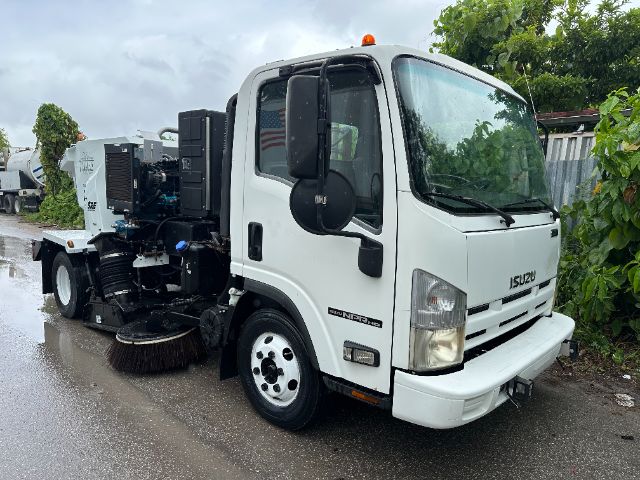
Selling a sweeper truck? List your sweeper truck for sale and reach thousands of commercial buyers.
Sweeper Trucks
Chassis and driveline choices change lifecycle cost and productivity. Auxiliary-engine sweepers keep the truck engine at low rpm while the sweeper engine powers the fan, brooms, and elevator, which can reduce driveline wear and provide consistent performance on steep grades or heavy pickup. Single-engine systems use a PTO and high-idle strategy to power the sweeper, cutting weight and maintenance points but tying sweeper performance to chassis rpm. Cab-over platforms offer tight turning for downtown routes and parking structures, while conventional chassis provide highway comfort and higher GVWR for larger hoppers. Dual-steer or right-hand steering improves curb visibility. Verify Tier 4 Final emissions, DEF system health, and any regional rules like CARB and PM-10 certification if operating in regulated markets.
Water and dust control features matter in both arid and cold regions. Look at tank capacity and pump output, spray bar placement ahead of the pick-up head and gutter brooms, and availability of in-cab water flow control. Stainless or lined hoppers resist corrosion if you sweep salted winter streets. Check sweep path options, gutter broom tilt and down-pressure, variable broom speed, pressure or float settings on the pick-up head, and easy-access debris screens. Lighting and safety gear such as LED beacons, arrow boards, curb cameras, and backup cameras improve night operations. Telematics, auto-lube, and centralized service points can shorten PM intervals and document route productivity.
On used units, hours matter as much as miles. Review auxiliary-engine hours or sweeper hours, not just odometer. Inspect fan housings for wear, elevator chains and sprockets for stretch, broom cores and segments for remaining life, pick-up head skids and curtains for uneven wear, and hydraulic hoses for curb rash. Cycle the high-dump or rear-dump body and verify latches, seals, and lift cylinders. Pressure test the water system and confirm winterization capability. For the chassis, match wheelbase to turning radius targets, confirm brake and tire life, and ensure the suspension rating aligns with the fully loaded hopper weight plus water. Parts availability and dealer support vary by brand, so factor regional service networks for Elgin, Tymco, Schwarze, Johnston, Global, and NiteHawk into total cost of ownership.
Also known as: Street Sweeper Truck, Road Sweeper Truck
Frequently Asked Questions about Sweeper Trucks
Which sweeper type is best for my routes and debris?
Choose mechanical broom for heavy material like millings, gravel, and construction track-out. Pick regenerative air for fine dust, leaves, and curbline dirt where PM-10 pickup and low broom wear are priorities. Consider pure vacuum for airports and dense urban areas that demand quiet operation and fine particulate control. Always align the system with debris weight, target particulate, and disposal method.
How much hopper capacity and what dump style do I need?
Short urban routes with frequent dumps can run smaller 2 to 6 cubic yard bodies. Longer municipal routes and heavy sweep programs benefit from 7 to 12 cubic yards. High-dump bodies that reach 9 to 11 feet let you offload into transfer trucks, cutting dead time and avoiding ground piles. Rear or low-dump bodies are simpler and lighter but require ground dumping or ramps.
What are the trade-offs between single-engine and auxiliary-engine sweepers?
Single-engine designs reduce weight, fuel burn, and maintenance points by using a PTO from the chassis. They are efficient for lighter debris and mixed service but rely on engine rpm for sweeper performance. Auxiliary-engine models add a dedicated powerplant for the fan and brooms, delivering steady suction and broom torque regardless of chassis speed and grade, which is valuable in heavy pickup and milling support. The trade-off is added weight, fuel use, and another engine to maintain.
What should I inspect on a used sweeper truck before buying?
Check sweeper hours, not just chassis miles. Inspect the fan housing and pick-up head for abrasion, elevator chains and bearings for wear, broom cores and segments, skid shoes, and curtains. Look for hydraulic leaks, hose scuffing along curb side, and hopper corrosion or thin spots. Operate the dump system through the full cycle and verify safety props. Test water pumps, valves, and spray bars, and confirm all in-cab controls, cameras, and lights function. Review service records for DPF cleaning, DEF system repairs, and scheduled PM.
What compliance and operating features matter for municipal work?
Many municipalities require PM-10 certified pickup, Tier 4 Final emissions, and noise limits, especially for night sweeping. Water capacity, dust suppression placement, dual-steer or right-hand drive, arrow boards, and full LED lighting improve safety and compliance. Stainless or lined hoppers help in regions with winter salt. Telematics for route reporting and auto-lube for uptime can also be contract requirements.