
Sewer Rodder - Septic Trucks For Sale
Shop sewer rodder and septic trucks by capacity, vacuum system, and jetter specs. Compare tank materials, pumps, and chassis for route and job needs.
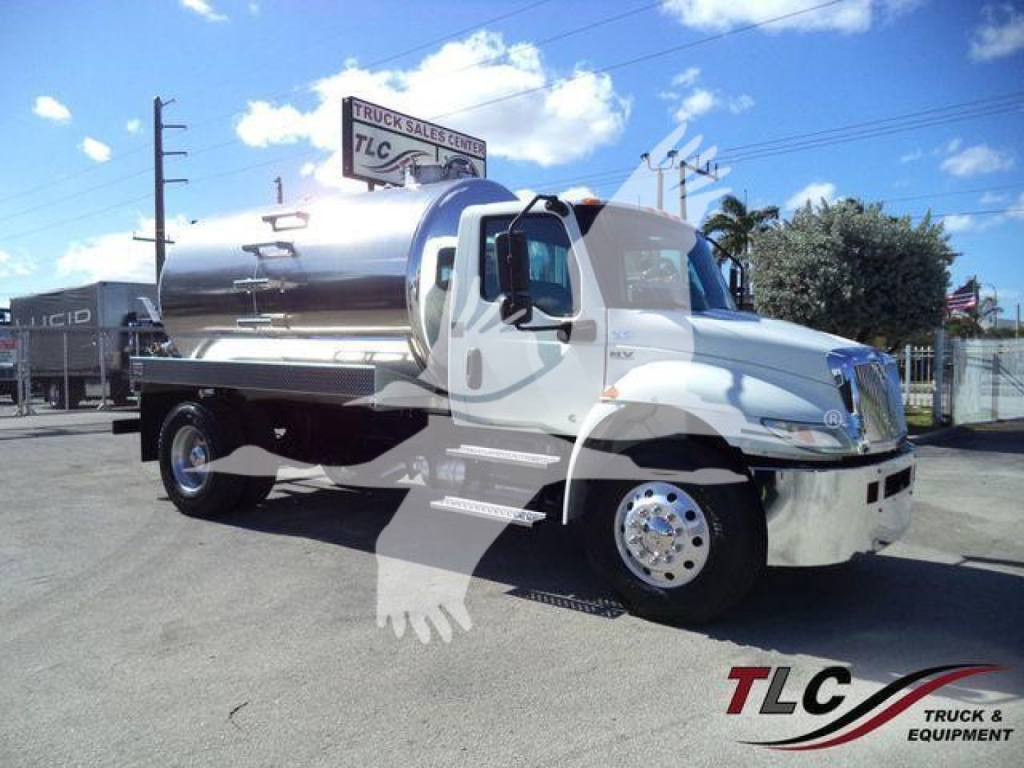
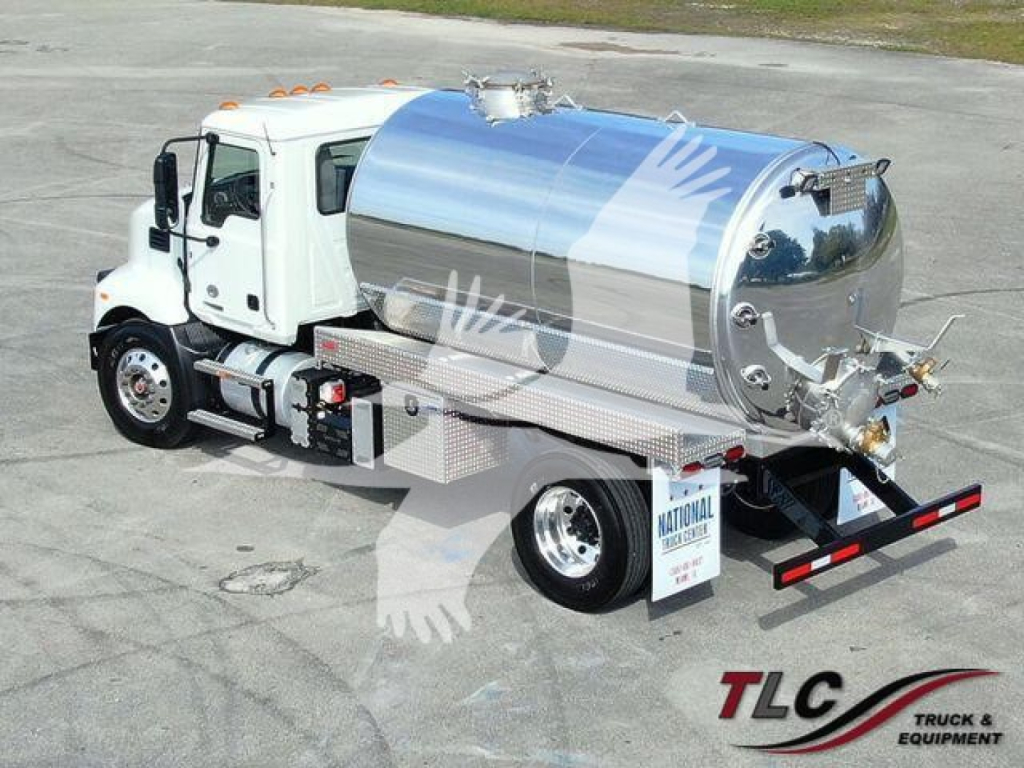
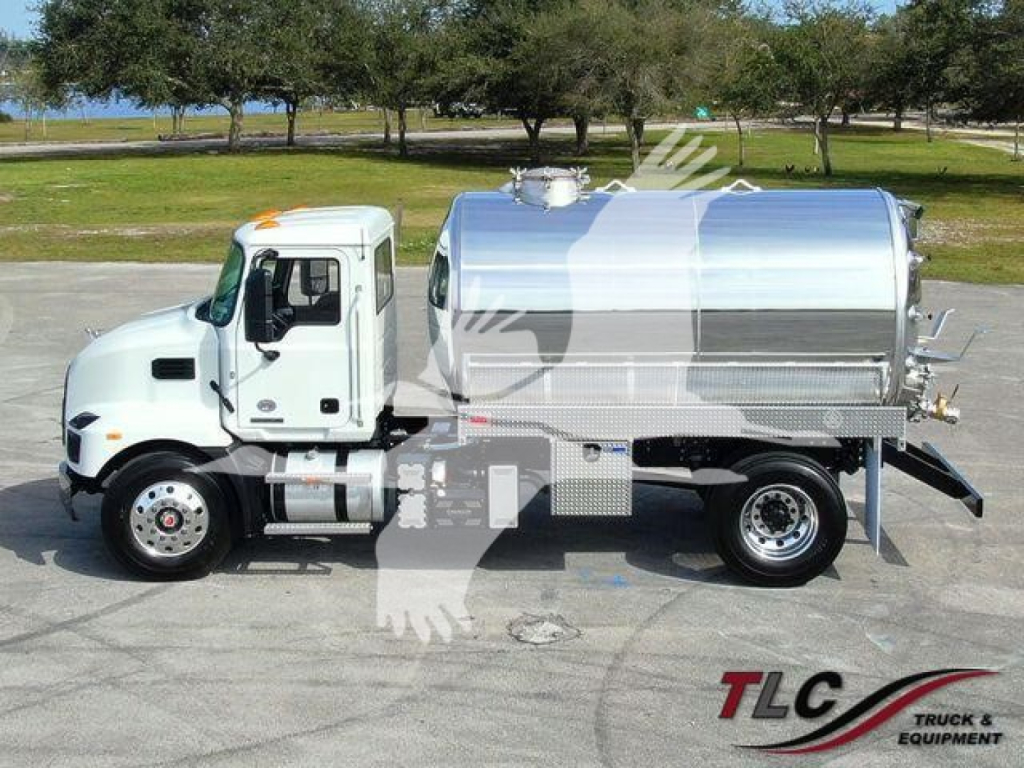
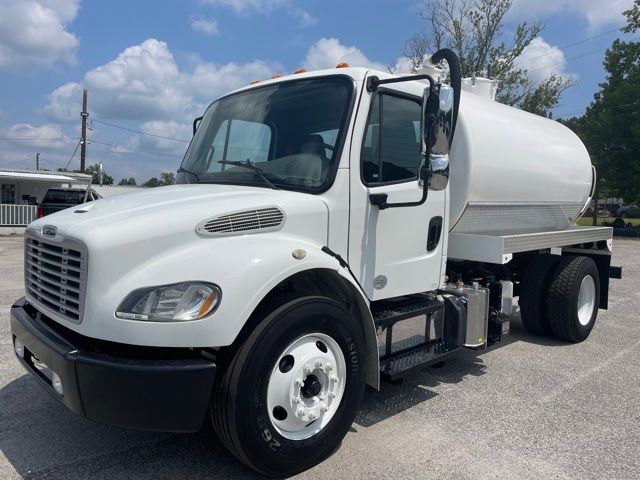
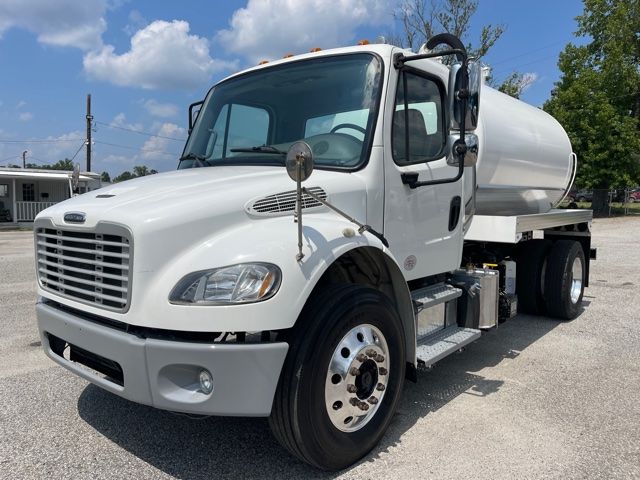
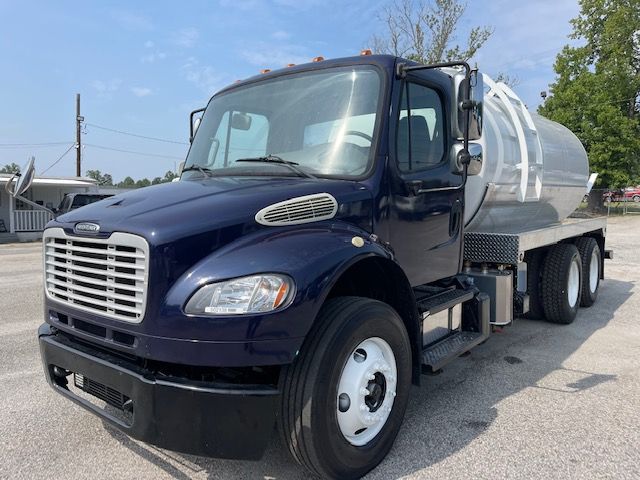
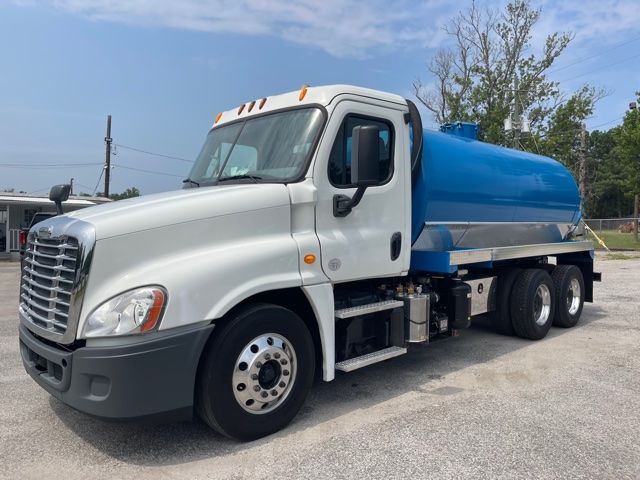
Selling a sewer rodder - septic truck? List your sewer rodder - septic truck for sale and reach thousands of commercial buyers.
Sewer Rodder - Septic Trucks
Tank and chassis choices hinge on payload, route density, and access. Septic pump trucks typically run 1,000 to 3,600 gal tanks on single or tandem axles, while municipal combo cleaners and industrial vac units often push 4,000 to 6,000+ gal on tandem or tri-axles to stay legal at the scale. Carbon steel tanks offer value and strength, stainless resists corrosive septage and winter brine at a weight penalty, and aluminum saves weight for lighter duty applications. Look for ASME code tanks, a full-opening rear door with hydraulic locks, quality gaskets, and either pressure offload or a dump hoist for solids. Common plumbing includes 3 in or 4 in valves, camlock fittings, sight glasses, and electronic level sensors. A hydraulic boom, hose trays, curbside controls, work lights, and tool storage improve jobsite efficiency. Spec axles, suspension, and tires for your roads and soil conditions, and consider a steerable lift axle where bridge laws are tight.
Sewer rodder and jetter systems handle different blockages. Mechanical rodders use a steel rod and cutters to punch through heavy roots, grease, and rags in mains, then retrieve debris with vacuum. High-pressure jetters scour pipe walls and are the norm for preventative maintenance. For municipal mainlines, 2,000 to 3,000 PSI at 60 to 100 GPM with 600 to 1,000 ft of 1 in hose is common. Laterals and residential service lines favor 3/8 to 1/2 in hose with higher pressure and lower flow. Nozzle kits should cover penetrator, flusher, cutter, and de-scaler needs. Water capacity ranges from 500 to 2,000 gal on-board, and filtration, debris separation, and cyclones help keep the system clean. In cold regions, look for winterization: heated cabinets, glycol recirculation, insulated water tanks, and optional boilers for thawing lines.
Buying decisions should match your work mix and local rules. Dense residential septic routes benefit from nimble single or tandem-axle trucks with quick pressure offload, while long pulls and municipal work often justify high-CFM blowers, booms, and larger debris tanks. Verify emissions compatibility for extended PTO operation, high-idle controls, and regen strategy. For used units, inspect pump hours, vane or blower end clearances, oil condition, vacuum tightness of the tank and door seals, hinge integrity, and documentation for pressure tests or tank certification. Confirm GVWR, axle ratings, and hose size align with your permits and typical waste stream. Plan for lifecycle cost: fuel burn at working RPM, tire and brake wear at max GVW, and availability of pump parts and service in your region.
Also known as: Sewer Cleaning Truck
Frequently Asked Questions about Sewer Rodder - Septic Trucks
What is the difference between a septic truck and a combination sewer cleaner?
A septic truck is a vacuum pumper built to extract and transport septage and grease, usually with a rotary vane or liquid ring pump and a waste tank sized for residential or commercial routes. A combination sewer cleaner adds a high-flow jetter and often a high-CFM blower with a debris tank, allowing operators to jet mains or laterals and vacuum the resulting debris from manholes or catch basins. Combo units are more versatile for municipal maintenance and heavy cleaning, while septic trucks are optimized for pickup, transport, and quick offload.
How do I choose the right tank size and axle configuration?
Base the decision on daily volume, dump-site distance, and legal weights in your state. Route septic work often fits 1,500 to 3,600 gal tanks on single or tandem axles to stay maneuverable at rural driveways. Municipal cleaning or industrial jobs may need 4,000 to 6,000+ gal on tandem or tri-axles to keep payload legal and maximize time on site. Check bridge laws, consider a steerable lift axle for weight distribution, and confirm GVWR and axle ratings support a full tank plus hose, tools, and crew.
Rotary vane, liquid ring, or positive displacement blower - which vacuum system is best?
Rotary vane pumps are cost-effective, compact, and well suited to septic routes and grease traps. They deliver strong vacuum with modest airflow and simple maintenance. Liquid ring pumps excel in wet, continuous-duty environments and handle entrained moisture with less risk but add weight and require water service. Positive displacement blowers move far more air for faster loading and combination cleaning and pair well with jetter work, but they require more horsepower, cost more up front, and add complexity.
What jetter or rodder specs should I target for sewer cleaning?
For municipal mains, look for 2,000 to 3,000 PSI at 60 to 100 GPM and 600 to 1,000 ft of 1 in hose on a powered reel. Laterals typically use higher pressure with lower flow on 3/8 to 1/2 in hose. Stock a range of nozzles, including penetrators for blockages, flushers for maintenance, and cutters for roots or grease. Mechanical rodders are valuable where heavy roots or rags resist jetting. Match water capacity to your route and consider filtration or reclaim options if water access is limited.
What cold-weather options matter on sewer rodder and septic trucks?
Look for insulated and heated pump cabinets, heat-traced water lines, glycol recirculation to protect jetter pumps, and enclosed reel compartments. A boiler helps thaw frozen lines and improves winter jetting. Stainless hardware and anti-corrosion coatings withstand brine. Ensure the chassis has block heaters and high-idle controls, and verify the tank, valves, and door seals remain vacuum-tight in freezing temperatures.