
Sewer Rodder - Septic Trucks For Sale in Georgia
Shop sewer rodder and septic trucks for sale in Georgia, including vacuum tank trucks built for septic pumping, waste removal, and municipal service.
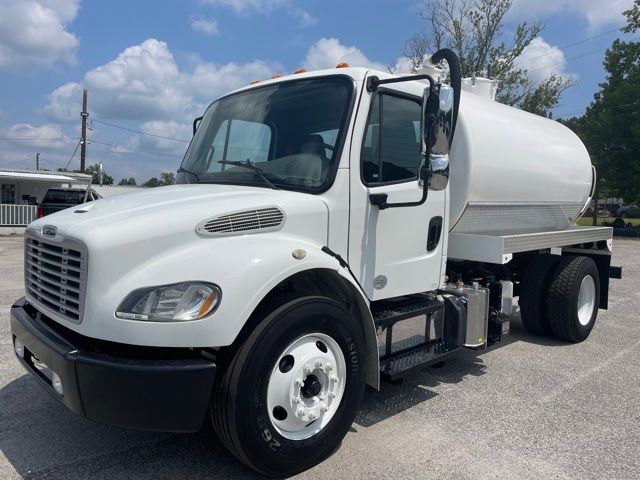
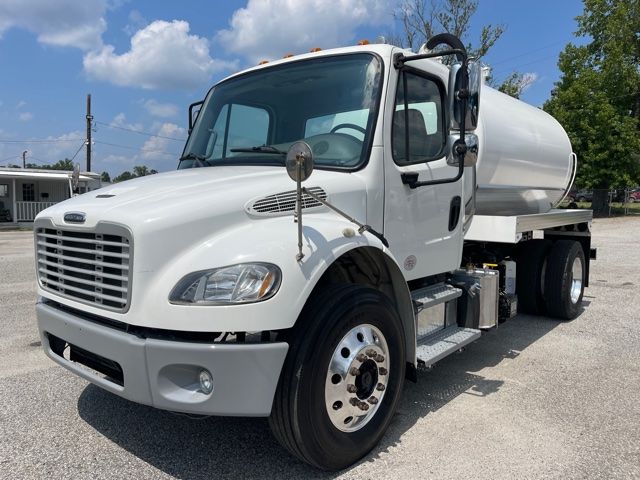
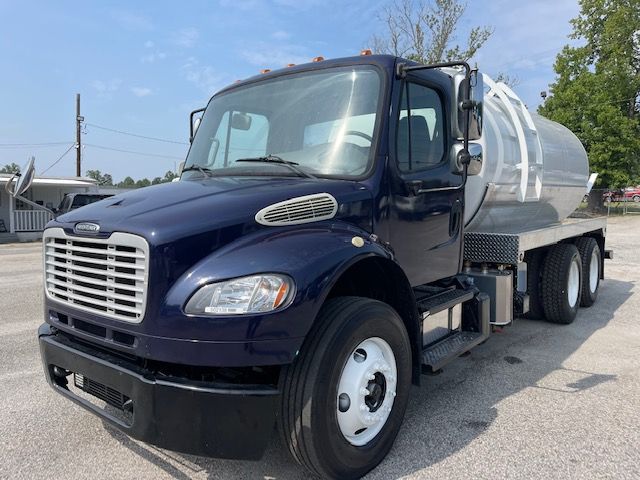
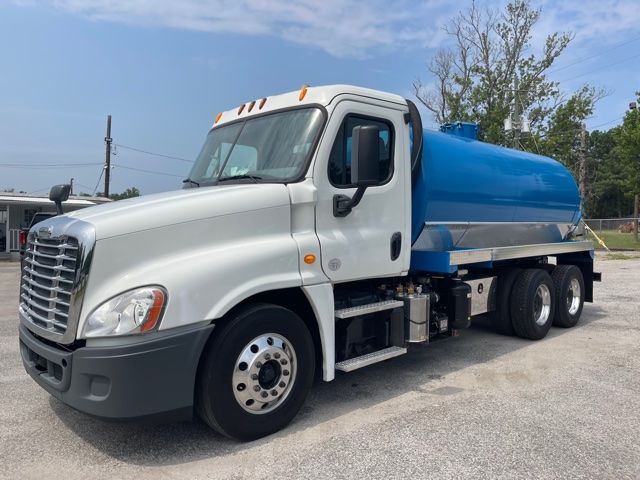
Selling a sewer rodder - septic truck? List your sewer rodder - septic truck for sale and reach thousands of commercial buyers.
Sewer Rodder - Septic Trucks in Georgia
A septic truck, also called a vacuum truck or honey wagon in some markets, is more than just a tank and pump. Buyers should pay close attention to tank construction, internal baffles, rear door design, hose storage, and pump brand and serviceability. Hose capacity matters because it directly affects how far the operator can work from the truck, and discharge hose layout affects dump efficiency at the treatment site. A fresh tank and pump can be a major advantage on a used chassis, but the rest of the package still needs scrutiny. Check PTO operation, vacuum recovery time, seals, valves, sight glasses, hydraulic functions, and how cleanly the system primes and holds vacuum under load.
Chassis spec matters because these trucks spend their lives stopping, idling, backing, and carrying shifting liquid loads. A medium-duty platform with the right wheelbase can balance capacity with maneuverability, while a tandem axle setup makes more sense when stepping up to larger tank volumes and heavier legal payloads. Engine choices in this class often include Cummins ISB or ISC ratings in the mid-horsepower range, enough for route work without adding unnecessary fuel burn. Automatic transmissions are popular for repetitive service routes and multi-driver fleets, while manuals still appeal to operators who want simplicity and direct control. Suspension, brake condition, tire rating, and frame integrity deserve close inspection because septic and sewer service is hard on equipment over time.
For buyers comparing listings, the best value usually comes from matching the truck to the actual service mix instead of simply chasing the largest tank. A smaller under-CDL unit can turn more easily in residential areas and may complete more stops per day with the right routing. A larger tandem truck can reduce dump trips and improve productivity on commercial accounts or municipal work. In Georgia, heat, humidity, and stop-and-go service cycles make cooling system condition, PTO reliability, and overall maintenance history especially important. A well-matched sewer rodder or septic truck should be easy to operate, easy to clean out, and built around legal payload, dependable vacuum performance, and straightforward parts support.
Frequently Asked Questions about Sewer Rodder - Septic Trucks in Georgia
What is the difference between a sewer rodder truck and a septic truck?
The terms are sometimes grouped together, but they are not always the same truck. A septic truck is primarily a vacuum tank truck designed to pump, hold, and transport liquid waste from septic tanks, grease traps, and similar sources. A sewer rodder typically adds a high-pressure water jetting system used to clear lines, break up blockages, and wash sewer pipe. Some units combine vacuum and jetting functions, while others are strictly vacuum-only. Buyers should confirm whether the truck has just a vacuum tank and pump or a true rodder setup with water capacity, hose reel, and jetting components.
What tank size is common for a septic or vacuum truck?
Common tank capacities in this category often fall between 2,500 and 3,500 gallons on medium-duty and tandem configurations, though actual sizes vary by chassis rating and intended work. A 2,500 gallon unit can be a strong fit for residential service, tighter routes, and under-CDL operation when properly spec'd. A 3,500 gallon setup offers more capacity for commercial accounts and longer runs between dumps, but it also adds weight and may require a heavier chassis. The right choice depends on legal payload, route density, dump location distance, and the type of waste being hauled.
Is an under-CDL septic truck a good choice?
An under-CDL septic truck can be a very practical choice for operators who want easier hiring, simpler compliance, and better maneuverability in residential areas. The tradeoff is reduced capacity compared with larger tandem units, which can mean more trips to unload depending on the route. For short-haul septic service, portable toilet routes, and lighter commercial work, under-CDL trucks often make sense. Buyers should verify the truck's actual GVWR, tank size, and legal operating weight with full load, because liquid weight can quickly push a truck beyond its practical limit.
What should I inspect on a used sewer rodder or septic truck?
Start with the vacuum system because that is the heart of the truck. Check pump make and model, CFM rating, PTO engagement, vacuum build time, leaks, valves, gauges, and hose condition. Inspect the tank for corrosion, patching, rear door seal condition, and signs of structural fatigue around mounts and hinges. On the chassis, review engine hours, transmission operation, suspension wear, brake condition, tire capacity, and frame condition. A clean DOT and service history helps, but the most important test is whether the truck pulls strong vacuum, operates smoothly, and shows evidence of proper maintenance throughout the entire system.
What engine and transmission setup works best for this category?
For most septic and vacuum truck work, medium-duty diesel engines such as Cummins ISB or ISC ratings are common because they provide enough torque for stop-and-go route service without overcomplicating maintenance. Allison automatic transmissions are popular in fleet and route applications because they are easy to operate and reduce driver fatigue during frequent stops and backing. Manual transmissions still have a place where operators prefer lower upfront cost or more direct control. The best setup depends on route type, driver pool, tank size, terrain, and how often the truck will run fully loaded.