
Freightliner Sewer Rodder - Septic Trucks For Sale in Georgia
Shop Freightliner sewer rodder and septic trucks for sale in Georgia. Compare M2 and tandem vacuum truck specs, tank sizes, pumps, and CDL needs.
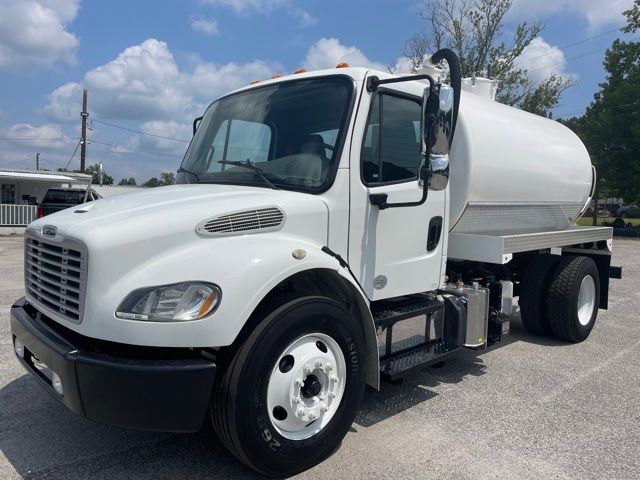
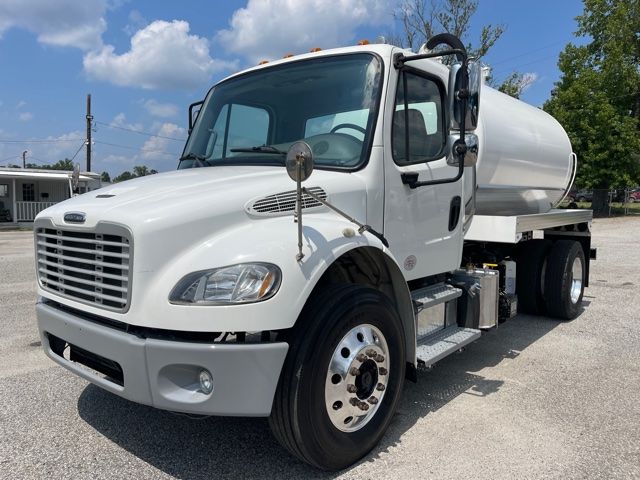
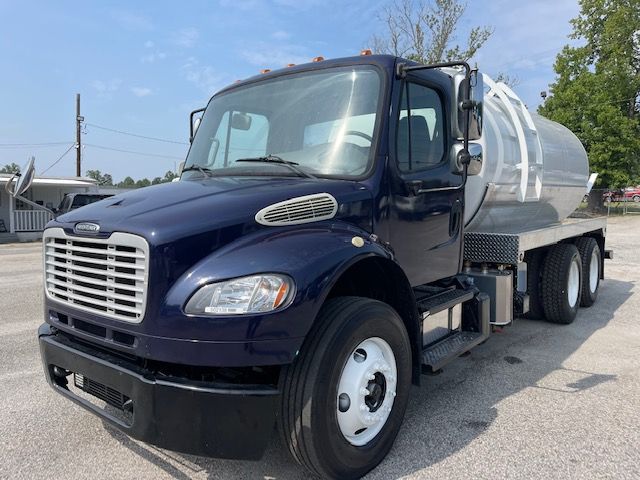
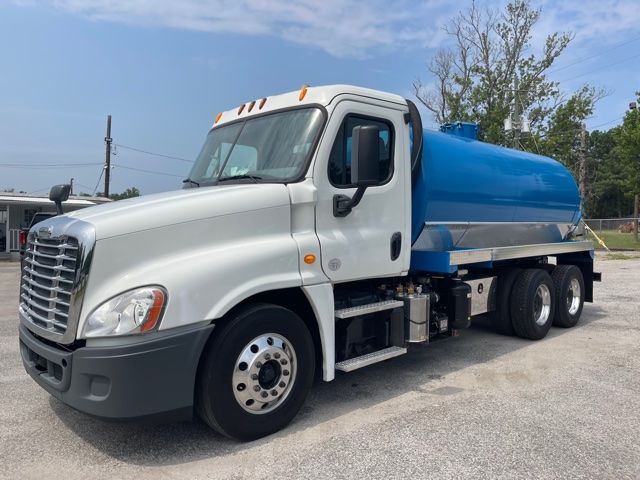
Selling a freightliner sewer rodder - septic truck? List your freightliner sewer rodder - septic truck for sale and reach thousands of commercial buyers.
Freightliner Sewer Rodder - Septic Trucks in Georgia
On used Freightliner septic trucks, the vacuum system matters as much as the chassis. Many buyers look for a fresh or recently replaced tank, a pump in the 380 CFM range, usable hose capacity, and clean plumbing layout with accessible valves and fittings. A typical setup may include around 100 feet of vacuum hose and a shorter discharge hose, but the right configuration depends on the work mix. Septic pumping and grease work generally reward strong vacuum performance and simple washout access. Sewer rodder applications may require a more specialized water system, jetting components, hose reel arrangement, and pressure capability than a straight vacuum truck, so it is important to confirm whether the truck is a true combination unit or primarily a septic vacuum build.
Freightliner chassis in this class are commonly paired with Cummins power, often ISB or ISC series engines, and either Allison automatic or manual transmissions. For stop-and-go service routes, an automatic transmission can reduce driver fatigue and simplify operation when backing into driveways or working in urban areas. A manual can still appeal to fleets that want lower upfront cost or already maintain drivers comfortable with a 6-speed. Buyers in Georgia often pay close attention to cooling performance, PTO operation, DOT condition, and cab cleanliness because these trucks spend long hours idling, cycling the pump, and moving between short service stops in hot weather.
A good buying decision comes down to matching the truck to the route density and waste volume you expect to handle. A 2,500 gallon Freightliner M2 can be a practical fit for residential septic service, lighter commercial work, and operators trying to stay under CDL thresholds where legal. A 3,500 gallon tandem unit can improve productivity on larger tanks, municipal accounts, and longer rural runs where dump trips cost time. Check the age and condition of the tank, pump, hoses, PTO, subframe, brakes, and suspension before focusing on paint or trim. On this equipment class, uptime is usually won or lost in the vacuum system, the plumbing, and how well the chassis was matched to the body from the start.
Frequently Asked Questions about Freightliner Sewer Rodder - Septic Trucks in Georgia
What is the difference between a sewer rodder truck and a septic truck?
A septic truck is primarily a vacuum truck designed to remove and transport liquids and sludge from septic tanks, grease traps, and similar waste systems. A sewer rodder truck is built to clean and clear lines with high-pressure water delivered through a jetting hose reel. Some trucks combine both functions, but many listings in this category are vacuum-focused septic units rather than full combination rodder trucks. Buyers should confirm tank layout, water capacity, jetting pressure, hose reel setup, and pump specifications before assuming the truck can perform both jobs.
Is a Freightliner M2 a good chassis for septic and vacuum truck work?
Yes. The Freightliner M2 is widely used for septic and vacuum applications because it offers good maneuverability, solid parts support, and body-builder-friendly packaging. It fits well in residential and mixed commercial service where tight access and frequent stops are part of the job. It is also commonly spec'd with Cummins engines and Allison automatics, which are familiar combinations for many service fleets and independent operators.
What tank size should I look for on a Freightliner septic truck?
Tank size should match your route structure, disposal access, and licensing requirements. A 2,500 gallon tank is a common choice for lighter septic routes, portable toilet service, and applications where an under-CDL setup may be possible depending on the full truck spec and local regulations. A 3,500 gallon tank can improve efficiency on larger jobs and reduce dump trips, but it usually comes with higher gross weight, different axle needs, and less flexibility in tight neighborhoods. The legal GVWR and actual loaded weight matter more than advertised tank volume alone.
What vacuum pump specs matter most on a used septic truck?
CFM rating, pump condition, and service history are the main items to review. A pump around 380 CFM is common on mid-size septic trucks and can be a good fit for general pumping work, but the real-world result depends on hose diameter, plumbing condition, tank sealing, and PTO performance. Buyers should also inspect for oil leaks, unusual pump noise, vacuum response, valve wear, and how easy the system is to service. A newer pump or documented replacement can add value if the installation quality is good.
Should I choose an automatic or manual transmission on a Freightliner sewer rodder or septic truck?
For most septic service routes, an Allison automatic is the more practical choice because it handles stop-and-go operation well, reduces driver fatigue, and makes backing and positioning easier at customer sites. A manual transmission can still work well for experienced operators and may lower acquisition cost, but it can be less convenient on dense service routes with frequent starts, stops, and PTO-related maneuvering. The better option depends on driver availability, terrain, and how the truck will be used day to day.