
2013 Freightliner Sewer Rodder - Septic Trucks For Sale in Georgia
Shop 2013 Freightliner sewer rodder and septic trucks for sale. Compare tank size, vacuum pump capacity, drivetrain, and CDL requirements.
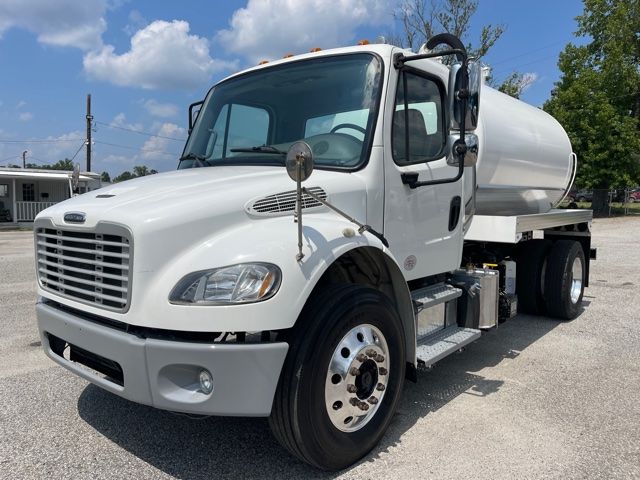
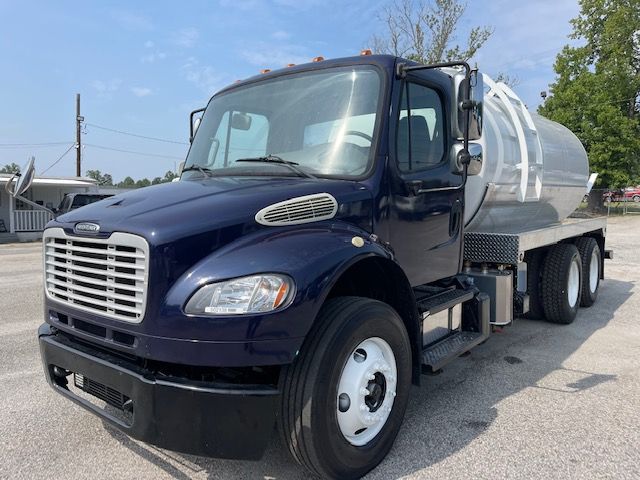
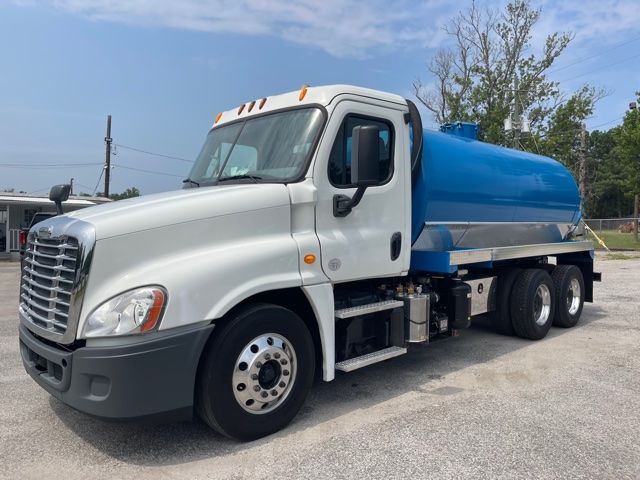
Selling a 2013 freightliner sewer rodder - septic truck? List your 2013 freightliner sewer rodder - septic truck for sale and reach thousands of commercial buyers.
2013 Freightliner Sewer Rodder - Septic Trucks in Georgia
On a 2013 Freightliner, the most common engine choices are Cummins-powered medium-duty packages paired with either an Allison automatic or a manual transmission. That combination matters in real operating cost. An automatic is usually preferred for stop-and-go route work, newer driver onboarding, and PTO-driven operation, while a manual can still appeal to operators who want simplicity and lower upfront cost. Beyond the drivetrain, pay close attention to whether the vacuum tank and pump are original or recently replaced. A newer tank, fresh hoses, current pump, and documented service can significantly improve value because downtime on a septic or sewer rodder truck is usually more expensive than the initial purchase difference.
Specification details separate a productive truck from a truck that just looks clean in photos. Tank construction, baffle design, hose storage, hose length, rear door condition, valve setup, and pump brand all affect usability. Buyers in Georgia and other warm-weather markets often prioritize corrosion condition differently than buyers in northern states, but tank integrity still needs close inspection, especially around welds, mounts, and rear closures. PTO engagement, vacuum recovery speed, chassis brake condition, suspension wear, and wheelbase should all be evaluated against the intended job mix. A compact wheelbase helps in subdivisions and urban service calls, while a longer setup may support more capacity and better weight distribution.
Freightliner septic trucks from this model year are often chosen because parts support is strong, the cab is familiar to most technicians, and the M2 chassis adapts well to vocational equipment. Also known as vacuum trucks or septic pump trucks, these units can be configured for straight septic pumping or broader sewer rodding and waste handling work depending on the body and pump arrangement. The right truck is less about model year alone and more about matching tank size, axle rating, transmission type, and pump performance to the route density, disposal distance, and operator licensing requirements.
Frequently Asked Questions about 2013 Freightliner Sewer Rodder - Septic Trucks in Georgia
What tank size is common on a 2013 Freightliner septic truck?
A 2013 Freightliner septic truck commonly appears with a 2,500-gallon or 3,500-gallon vacuum tank, depending on whether it is built for lighter residential work or higher-volume commercial service. Smaller tanks can help keep the truck under CDL thresholds and improve maneuverability, while larger tanks reduce dump trips and increase route efficiency when axle ratings and local weight limits support the added capacity.
Is an Allison automatic better than a manual on a sewer rodder or septic truck?
For most septic and route-based vacuum truck applications, an Allison automatic is the more practical choice because it handles stop-and-go driving well and is easier on drivers during repeated service calls. A manual transmission can still be a solid option for buyers focused on lower acquisition cost or driver preference, but the automatic usually delivers better ease of use in PTO-heavy vocational service.
What should I inspect first on a used sewer rodder or septic truck?
Start with the vacuum tank, pump, PTO operation, and hose system because those components define the truck's working value. Look closely at tank condition around welds, mounts, and rear door seals, confirm pump capacity and performance, and check for service records showing recent replacement or maintenance. After that, inspect engine condition, transmission operation, brakes, suspension, and overall chassis wear to make sure the truck can support the body equipment reliably.
Can a 2013 Freightliner septic truck be operated without a CDL?
Some can, but it depends on the truck's gross vehicle weight rating, tank size, axle configuration, and the loaded operating weight. Under-CDL configurations are more often found with smaller tanks such as 2,500 gallons, but the actual legal requirement comes down to the final rated and loaded combination, not just the tank number. Buyers should verify GVWR, bridge laws, and state-specific rules before assuming a truck qualifies as non-CDL.
What is a typical vacuum pump size for this category?
A common vacuum pump size in this category is around 380 CFM, which is suitable for many septic, portable sanitation, and general liquid waste jobs. Pump size should be matched to the type of material being handled, hose length, and expected cycle times. Higher-performing pumps can improve productivity, but only if the rest of the system, including tank design and plumbing layout, supports that output.