
2013 Freightliner Sewer Rodder - Septic Trucks For Sale
Browse 2013 Freightliner sewer rodder and septic trucks. Compare tank size, vacuum pump specs, CDL class, chassis setup, and service applications.
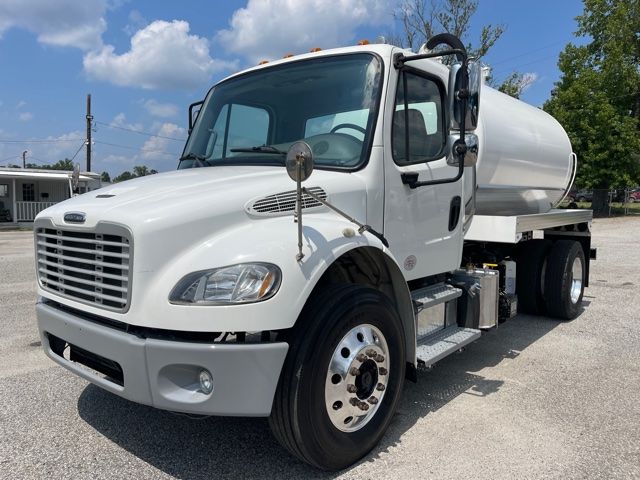
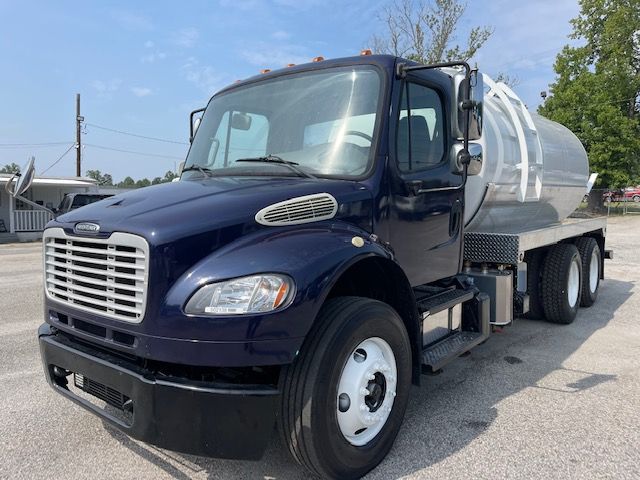
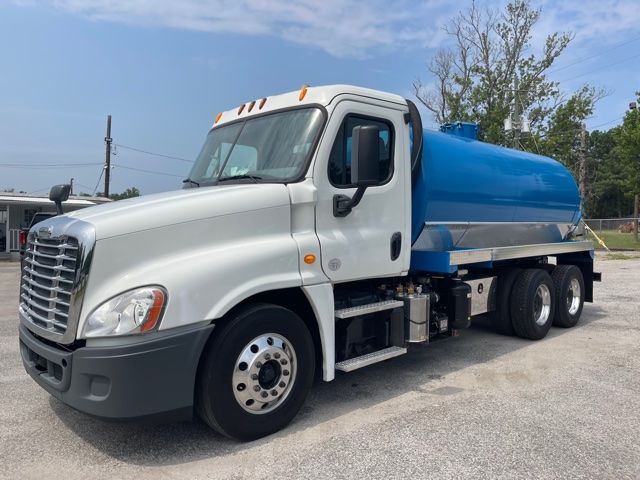
Selling a 2013 freightliner sewer rodder - septic truck? List your 2013 freightliner sewer rodder - septic truck for sale and reach thousands of commercial buyers.
2013 Freightliner Sewer Rodder - Septic Trucks
The Freightliner M2 chassis is well suited to this application because it offers a straightforward vocational layout, good parts support, and engine options that are familiar to most fleets and service shops. On 2013 units, Cummins ISB and ISC engines are common, paired with either an Allison automatic or a manual transmission depending on the original build. Under-CDL configurations matter if route density is high and driver availability is tight, but buyers still need to confirm actual GVWR, axle ratings, and legal payload once the tank is full. Tank material, internal baffling, hose storage, rear hitch setup, and pump access all affect day-to-day usability more than cosmetic condition alone.
For sewer rodder and septic use, the truck body deserves as much scrutiny as the chassis. A newer vacuum tank or replacement pump can add value, but the important question is how the system was installed and supported. Look closely at pump hours if available, hose condition, valve layout, seals, PTO engagement, and whether the plumbing is configured for both loading and discharge efficiency. If the truck is being used more as a sewer rodder than a straight septic pumper, buyers should also verify water capacity, hose reel setup, jetting capability, and pressure system specifications, since not every vacuum truck is equipped for true rodding work.
A used 2013 Freightliner in this category can fit small private service companies, municipalities, and contractors that need a proven vocational chassis without stepping into the cost of a newer build. The strongest units are usually the ones with documented pump and tank work, clean PTO operation, solid maintenance records, and a body configuration that matches the route. On these trucks, the right purchase decision comes down to matching capacity, maneuverability, and regulatory requirements to the actual waste stream and service area, not just comparing mileage or engine horsepower.
Frequently Asked Questions about 2013 Freightliner Sewer Rodder - Septic Trucks
What is the difference between a sewer rodder truck and a septic truck?
A septic truck is primarily designed to vacuum and transport liquid waste from septic tanks, portable toilets, grease traps, and related service points. A sewer rodder truck is built to clear lines using high-pressure water jetting, often with a hose reel and dedicated water system. Some units combine both functions, but many vacuum trucks are not true rodders. Buyers should confirm whether the truck has only vacuum capability or a full jetting system with usable water capacity and pressure components.
Is a 2,500-gallon Freightliner septic truck usually under CDL?
Some 2,500-gallon Freightliner M2 septic trucks are built to stay under CDL thresholds, but tank size alone does not guarantee that. Actual CDL status depends on GVWR, axle configuration, chassis spec, and how the completed truck is rated. A buyer should verify the door sticker, registration class, and legal loaded weight before assuming a truck can be operated without a CDL.
What vacuum pump size is common on this type of truck?
A vacuum pump rated around 380 CFM is a common setup for medium-duty septic and liquid waste service trucks in this class. That size is generally suitable for routine septic pumping, holding tank work, and transfer applications. Pump condition is just as important as rated output, so buyers should inspect pump age, rebuild history, oiling system condition, and overall vacuum performance under load.
Why is the Freightliner M2 popular for sewer rodder and septic applications?
The Freightliner M2 is popular because it is a proven medium-duty vocational chassis with broad parts availability, familiar Cummins engine options, and body-builder-friendly frame layouts. It offers a practical balance of cab comfort, turning radius, and serviceability for local route work. That makes it a common platform for septic service, municipal utility work, and other stop-and-go applications where uptime and repair access matter.
What should buyers inspect first on a used septic or sewer rodder truck?
The first inspection points should be the tank, vacuum pump, PTO system, plumbing, and chassis weight rating. Tank condition, weld quality, valve operation, hose wear, and evidence of leaks tell more about real operating condition than paint or interior appearance. After that, buyers should check engine service history, transmission operation, brake condition, suspension wear, and whether the truck's capacity and configuration match the intended route and material type.