
2013 Sewer Rodder - Septic Trucks For Sale in Georgia
Browse 2013 sewer rodder and septic trucks for sale, including common tank sizes, vacuum pump specs, chassis options, and buyer tips.
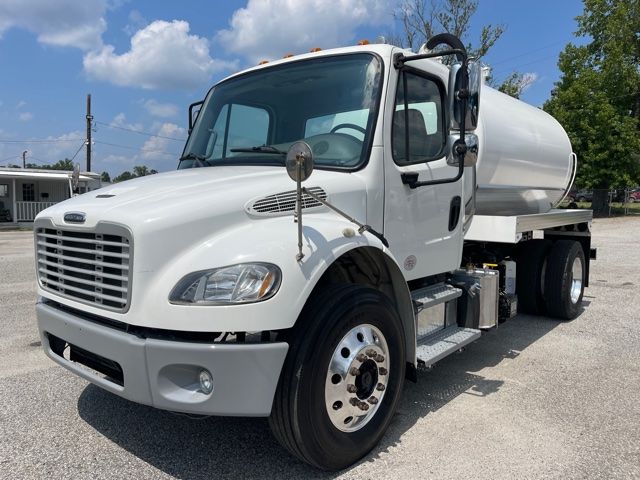
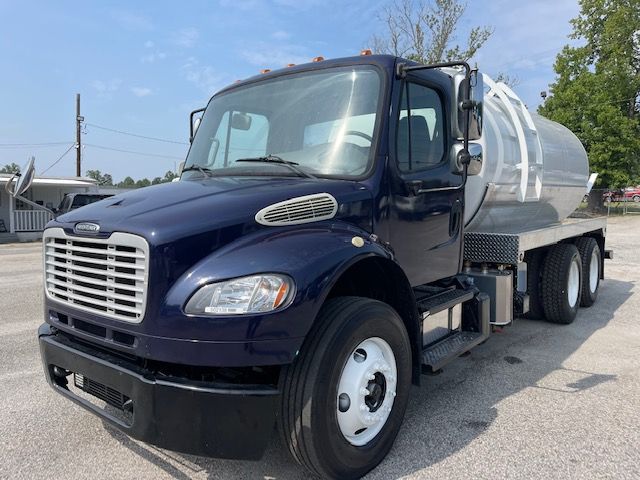
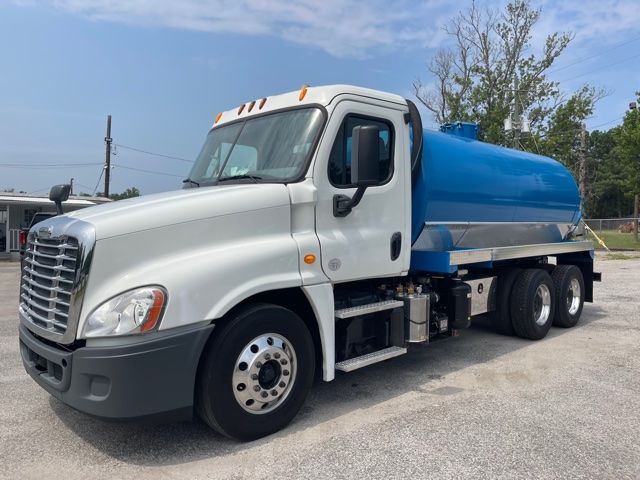
Selling a 2013 sewer rodder - septic truck? List your 2013 sewer rodder - septic truck for sale and reach thousands of commercial buyers.
2013 Sewer Rodder - Septic Trucks in Georgia
Vacuum pump performance matters as much as tank size. Many septic trucks from this era are equipped with pumps in the 380 CFM class, which is a practical range for routine septic tank pumping and general liquid waste transfer. Buyers should look closely at pump brand, hours if available, service records, and whether the tank or pump has been recently replaced. A newer vacuum tank on a 2013 chassis can change the value equation significantly, especially if the truck has already been serviced, DOT inspected, and fitted with fresh suction and discharge hose. Hose storage, rear door design, washout accessibility, and PTO engagement setup also affect day-to-day usability.
In Georgia, route density, road access, and CDL considerations can shape the right spec. A 2,500 gallon single-axle truck can be easier to maneuver on residential property and older rural driveways, while a 3,500 gallon tandem may reduce dump trips on commercial, municipal, or industrial accounts. Buyers should verify axle ratings, suspension condition, brake life, and legal operating weight with a full tank. It is also smart to inspect the tank interior, check for corrosion around seams and baffles, and confirm the vacuum relief and shutoff systems are functioning correctly. On used sewer rodder and septic trucks, chassis miles tell only part of the story. PTO operation, pump pull, tank integrity, and evidence of regular maintenance usually matter more than cosmetics.
This equipment class is also commonly referred to as a septic pump truck, vacuum truck, honey wagon, or sewer cleaner, although true combination sewer trucks may carry separate water systems and jetting equipment. For many buyers, a 2013 model year hits a workable balance between purchase price and mechanical simplicity. The best fit depends on route type, disposal frequency, driver requirements, and how much payload the chassis can legally carry without sacrificing maneuverability or uptime.
Frequently Asked Questions about 2013 Sewer Rodder - Septic Trucks in Georgia
What tank size is most common on a 2013 sewer rodder or septic truck?
Common tank sizes in this category are around 2,500 to 3,500 gallons. A 2,500 gallon truck is often preferred for residential septic routes, tighter job sites, and under-CDL operation when spec'd correctly. A 3,500 gallon setup is better suited to higher-volume commercial work because it carries more material per trip, but it also increases gross vehicle weight and may require a tandem-axle chassis.
Is a 380 CFM vacuum pump enough for septic work?
A 380 CFM pump is a common and practical size for routine septic pumping, grease trap service, and general liquid waste transfer. It offers solid performance for most private service applications without the added complexity or cost of larger municipal-style systems. Pump condition, vane wear, seal integrity, and proper PTO operation are just as important as the CFM rating when evaluating a used truck.
What should I inspect first on a used 2013 septic truck?
Start with the tank, pump, and PTO system before focusing on cosmetics. Check the tank for internal corrosion, patched areas, seam issues, baffle condition, and proper operation of shutoff and relief components. Then confirm the vacuum pump builds and holds suction properly, review any service history, and inspect hoses, valves, rear door seals, and hydraulic or mechanical controls. After that, evaluate the chassis, including engine, transmission, brakes, suspension, tires, and axle ratings.
Can a 2013 septic truck be operated without a CDL?
Some can, but it depends on the truck's GVWR, axle configuration, and how it is loaded in service. Smaller single-axle builds with around a 2,500 gallon tank are more likely to be configured for under-CDL use, but the legal operating weight must still be confirmed carefully. Buyers should verify the door sticker, registered weight, and expected payload because a vacuum tank full of waste adds weight quickly.
What is the difference between a septic truck and a sewer rodder?
The terms are often used together in resale listings, but they are not always identical. A septic truck is primarily a vacuum truck designed to pump, haul, and discharge liquid waste. A sewer rodder may refer more specifically to a truck used for cleaning sewer lines, and some units include jetting systems for line clearing. In the used market, many listings in this category are vacuum-based septic service trucks rather than full combination jet-vac sewer cleaners.