
2013 Sewer Rodder - Septic Trucks For Sale
Browse 2013 sewer rodder and septic trucks with key details on tank size, vacuum pump capacity, chassis specs, and service applications.
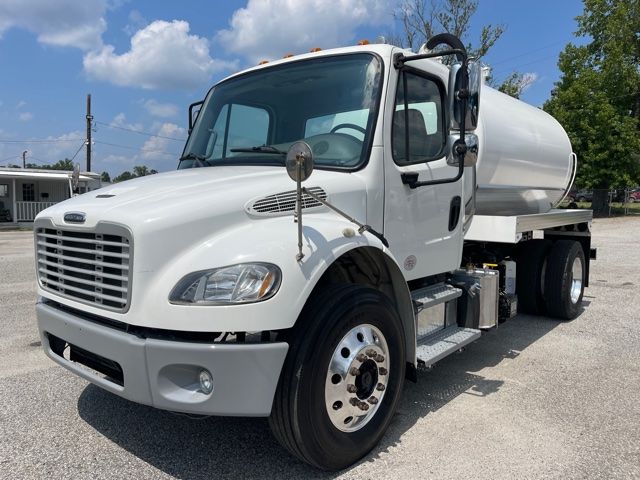
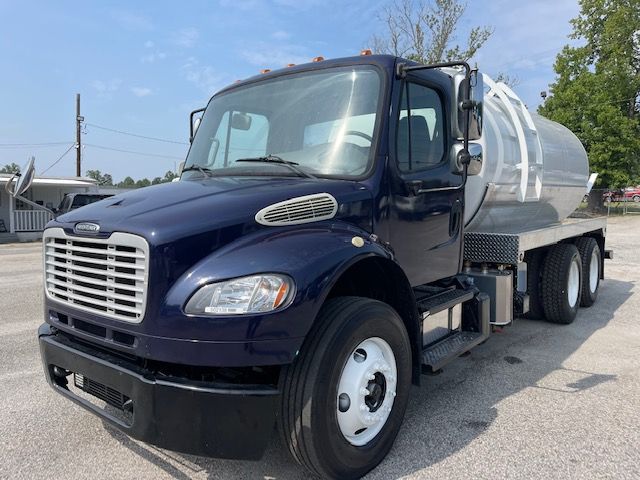
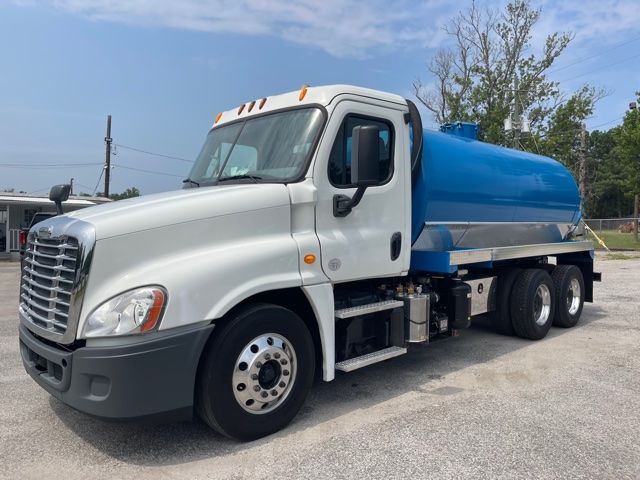
Selling a 2013 sewer rodder - septic truck? List your 2013 sewer rodder - septic truck for sale and reach thousands of commercial buyers.
2013 Sewer Rodder - Septic Trucks
Frequently Asked Questions about 2013 Sewer Rodder - Septic Trucks
What should I check first on a used 2013 sewer rodder or septic truck?
Start with the tank, pump, and PTO system. Confirm the tank material, capacity, internal condition, and any signs of corrosion, repairs, or patching. Verify vacuum pump brand and model, CFM rating, hours if available, and whether the pump builds and holds vacuum properly. On a rodder-equipped truck, inspect the water pump, reel, jetting hose, and pressure performance. Chassis condition still matters, but the vacuum and jetting package usually drives the real value in this category.
Is a 2,500-gallon septic truck enough, or should I look for 3,500 gallons?
A 2,500-gallon setup can be a strong fit for under-CDL operation in some configurations, tighter residential routes, and operators who need maneuverability more than maximum payload. A 3,500-gallon truck generally makes more sense for longer rural runs, higher-volume commercial accounts, or reducing trips to dump. The right size depends on local weight laws, route density, disposal access, and whether the chassis can legally carry a full load in your market.
What chassis and drivetrain are common on 2013 septic trucks?
Medium-duty platforms such as the Freightliner M2 are common in this year range, often paired with Cummins diesel engines and either Allison automatic transmissions or manual gearboxes. Buyers usually focus on horsepower, transmission type, rear axle rating, wheelbase, and whether the truck is single-axle or tandem. Automatic transmissions are often preferred for stop-and-go service routes, while a tandem setup may be chosen when tank size and legal payload are the priority.
How do I know if a truck is a sewer rodder or just a septic vacuum truck?
A septic vacuum truck is designed primarily to load, haul, and discharge liquid waste using a vacuum tank and pump. A sewer rodder, often called a combo or combination sewer cleaner when fully equipped, adds a high-pressure water system with a hose reel for jetting and clearing lines. Listings can group these together, so buyers should confirm water tank capacity, water pump pressure and flow, reel condition, and hose footage before assuming the truck can perform sewer cleaning work.