
Sewer Rodder - Septic Trucks For Sale in Florida
Shop Sewer Rodder and Septic Trucks for sale, including vacuum pumpers built for septic service, sludge hauling, grease trap work, and wastewater removal.
Selling a sewer rodder - septic truck? List your sewer rodder - septic truck for sale and reach thousands of commercial buyers.
Sewer Rodder - Septic Trucks in Florida
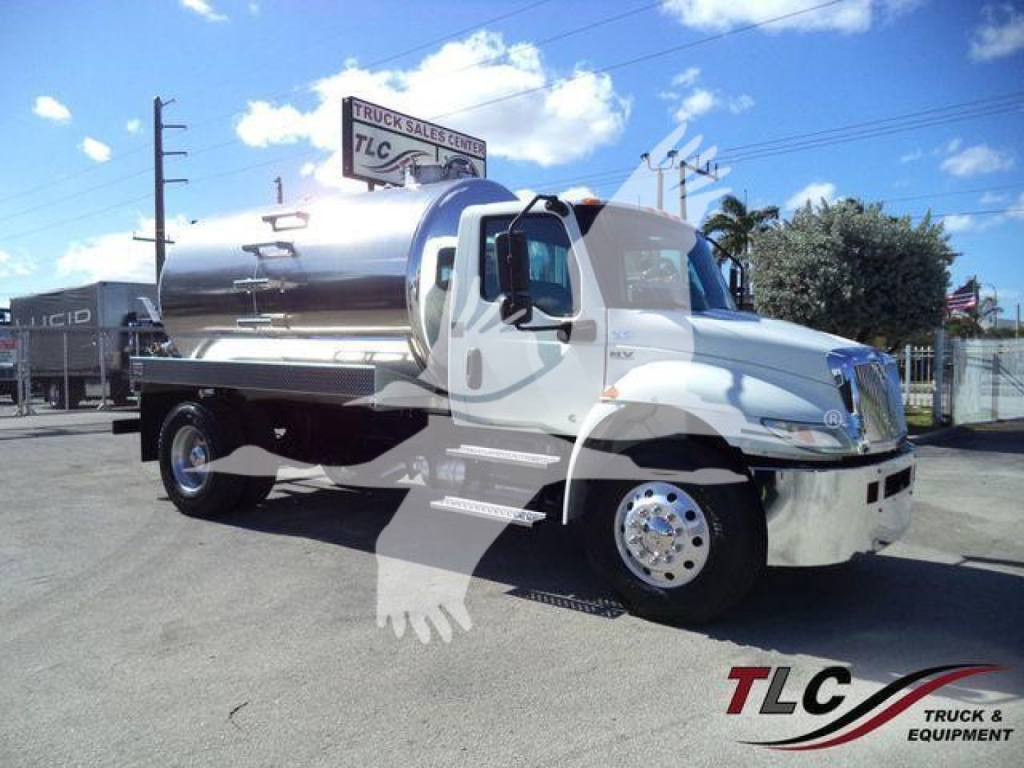
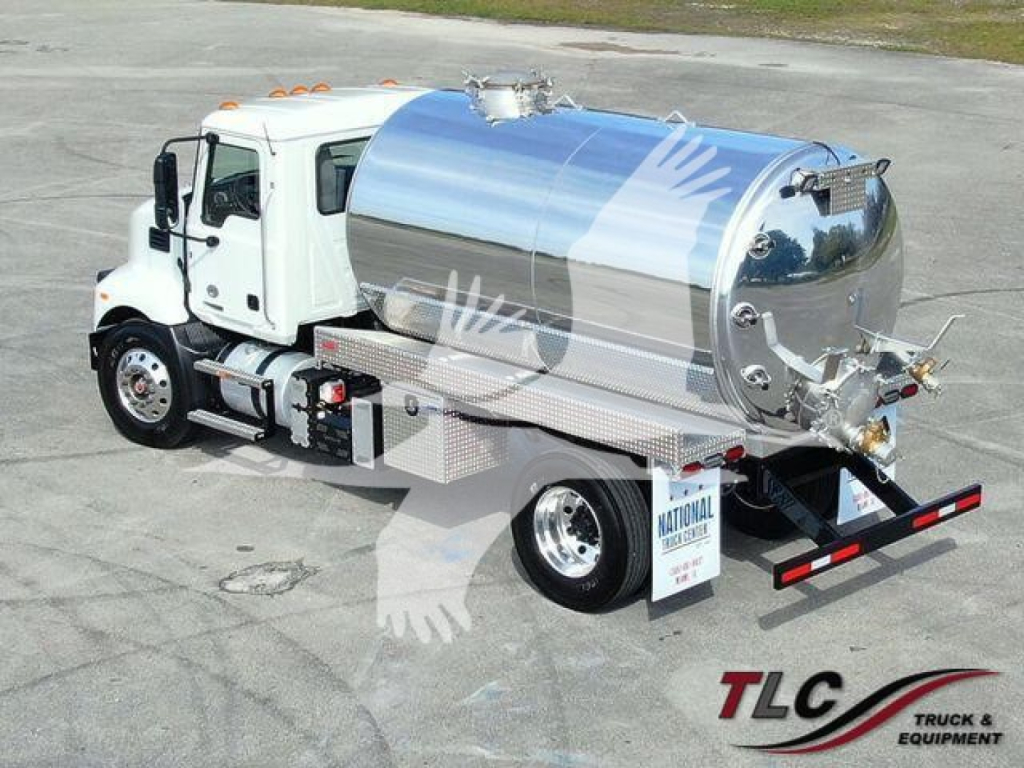
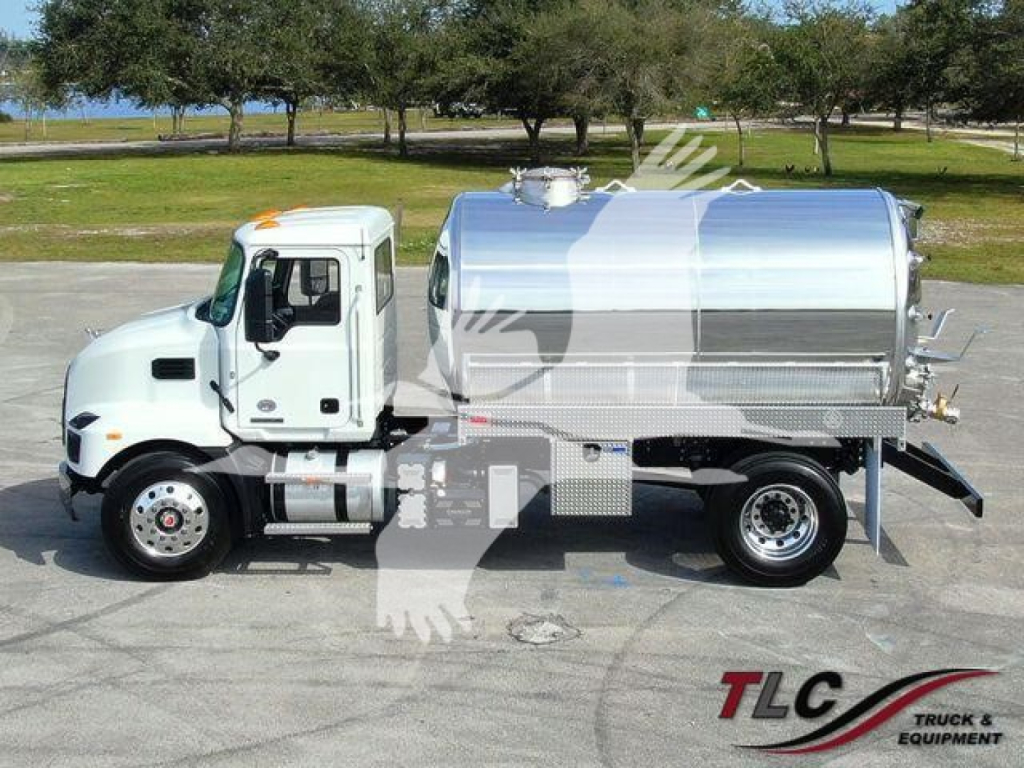
A typical setup includes an aluminum or steel waste tank, rear hose storage, toolboxes, PTO-driven vacuum system, and valving designed for loading, unloading, and cleanout work. Aluminum tanks are popular in Florida because they help control empty weight and offer strong corrosion resistance in humid, coastal conditions. Buyers should look closely at pump brand and output, hose reel configuration, primary and secondary shutoff protection, rear door design, and bumper construction. On the chassis side, common specs include diesel engines in the medium-duty range, Allison automatic transmissions, spring or air suspension, and GVWR ratings around 33,000 pounds for single-axle trucks. That combination fits a wide range of septic service applications without moving into a larger tandem-axle platform.
A true sewer rodder configuration can add high-pressure water jetting capability for line cleaning, allowing one truck to handle both pumping and drain or sewer maintenance. That matters for contractors who service commercial lines, municipal accounts, and emergency blockages in addition to septic pumping. If the truck is strictly for septic and sludge work, focus more on usable tank volume, vacuum recovery speed, and ease of washout between jobs. If grease trap pumping, wastewater recovery, or used oil collection is part of the business mix, confirm tank construction, seals, and plumbing layout are appropriate for the materials being hauled and the cleaning standards required between loads.
For Florida buyers, route density, disposal site distance, and legal loaded weight should guide the spec more than headline tank capacity alone. A 2,500 gallon septic truck can be a strong fit for residential and light commercial service if the pump package is efficient and the chassis is easy to maneuver in tight properties. A heavier route with longer hauls to disposal may justify more capacity or a different axle configuration. The best sewer rodder or septic truck is the one matched to your waste stream, daily stop count, hose handling needs, and local weight limits, not simply the largest tank on the page.
Frequently Asked Questions about Sewer Rodder - Septic Trucks in Florida
What is the difference between a septic truck and a sewer rodder truck?
A septic truck is primarily designed to vacuum and transport liquid waste, sludge, and septage from tanks, interceptors, and similar systems. A sewer rodder truck adds high-pressure water jetting equipment used to clear sewer and drain lines. Some units combine both functions, but not every vacuum truck has a jetting system. Buyers should confirm whether the truck is set up for pumping only or for both pumping and line cleaning.
What tank size is common for a septic pumper truck?
A common septic truck size in the medium-duty market is around 2,000 to 3,000 gallons, with 2,500 gallons being a very typical configuration. That size works well for residential routes, smaller commercial stops, and properties where maneuverability matters. Larger capacities can improve productivity on long haul routes, but they also affect wheelbase, curb weight, and legal payload.
Why does vacuum pump CFM matter on a septic truck?
Vacuum pump CFM affects how quickly the truck can pull material from a tank and how efficiently the unit performs across multiple stops. Higher CFM generally means faster recovery times, which can improve route productivity, especially on thicker waste or deeper pulls. Pump quality, moisture protection, filtration, and shutoff systems are just as important as the headline CFM number because they affect durability and service life.
Is an aluminum tank a good choice for Florida septic service?
Aluminum tanks are a strong choice in Florida because they resist corrosion well in humid and coastal environments while also reducing empty vehicle weight. Lower tank weight can help with payload flexibility on a medium-duty chassis. Buyers should still inspect weld quality, internal baffling, mounting design, and the compatibility of the tank with the waste streams being hauled.
What should I check on a used sewer rodder or septic truck before buying?
Start with the vacuum pump hours, service records, PTO operation, tank condition, and all valves, seals, and plumbing connections. Inspect the rear door, hinges, clamps, sight glasses, hose trays, and shutdown protections for signs of hard use or deferred maintenance. On combination rodder units, verify water system condition, jetting performance, and reel function. Chassis items like GVWR, axle ratings, suspension, transmission behavior, and brake condition are equally important because a septic truck works under constant load and stop-and-go duty.