
Excavators For Sale
Browse excavators for sale including crawler and truck-mounted models, with buyer-focused insight on size class, hydraulics, undercarriage, and transport.
Learn moreBrowse Excavators Trucking Equipment by Make
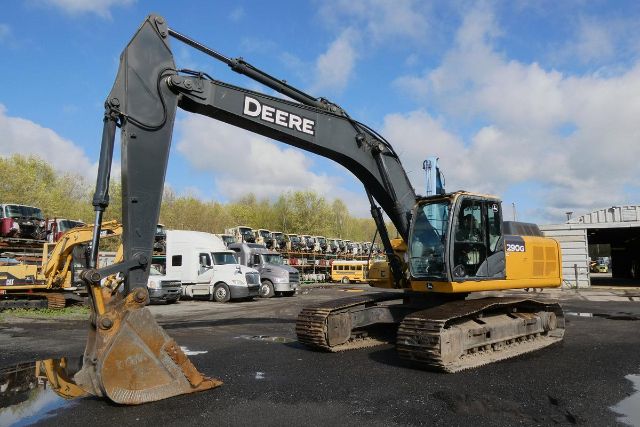
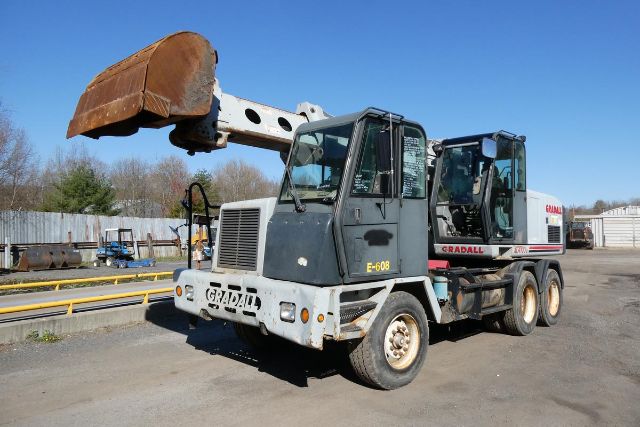
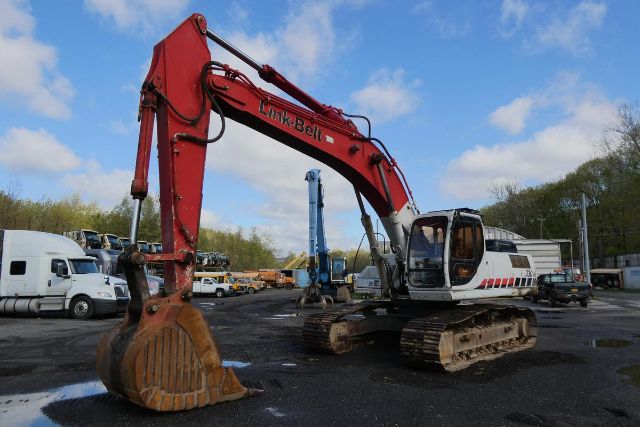
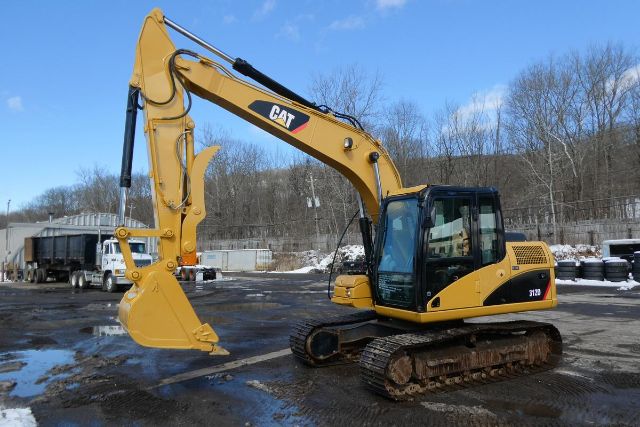
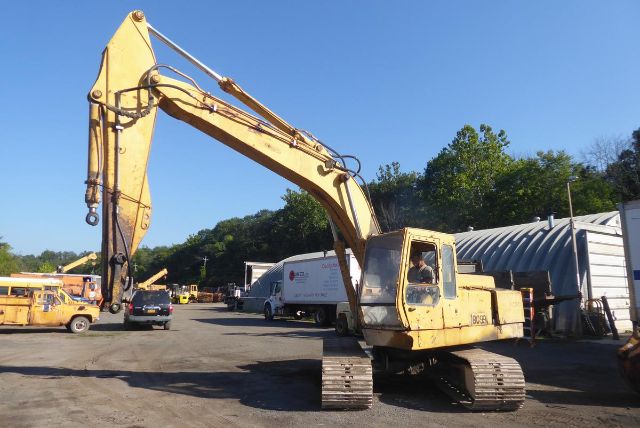
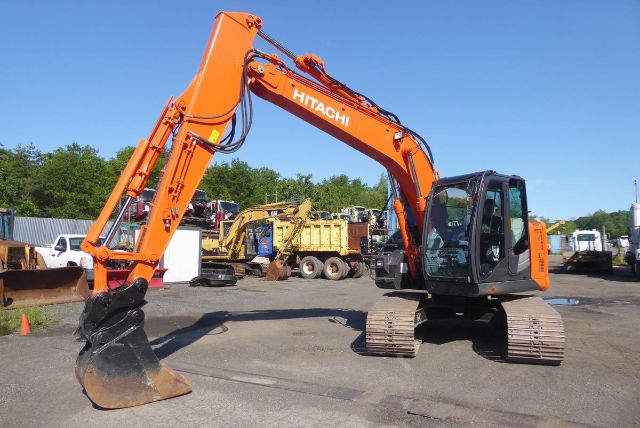
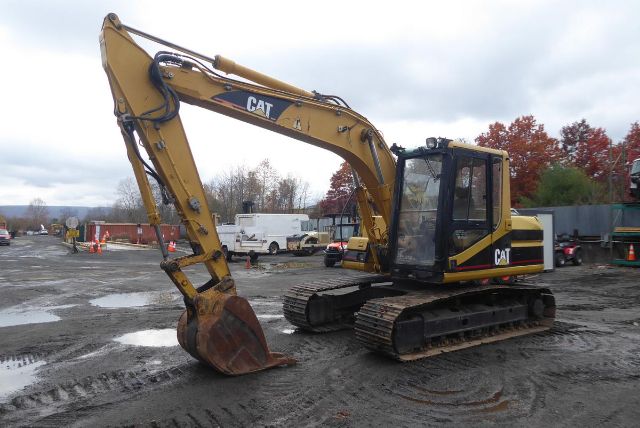
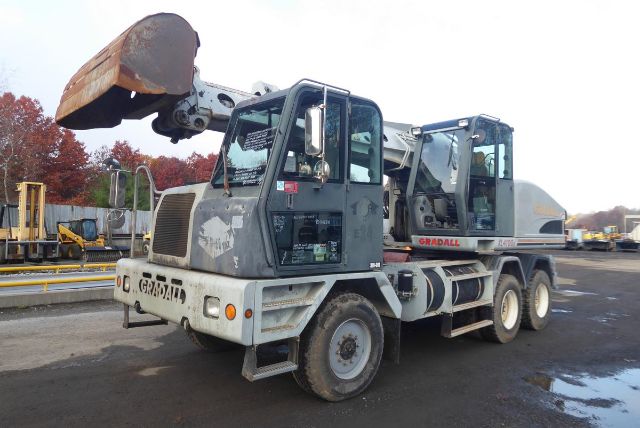
Showing 1 to 12 of 14 results
Have excavators trucking equipment to sell? List it here to reach thousands of buyers.
About Excavators
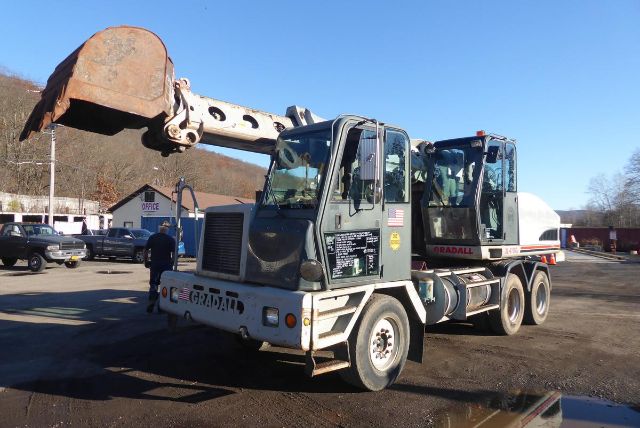
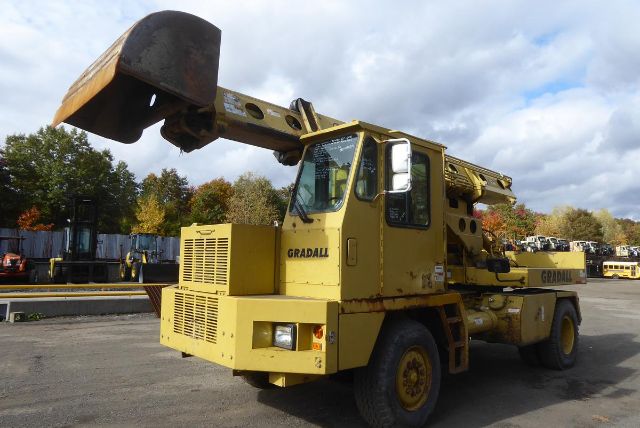
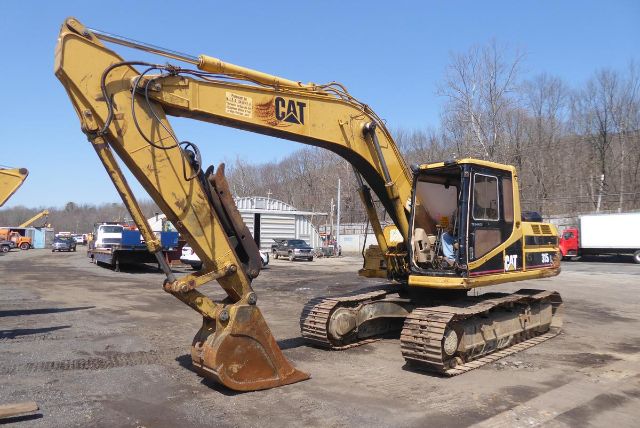
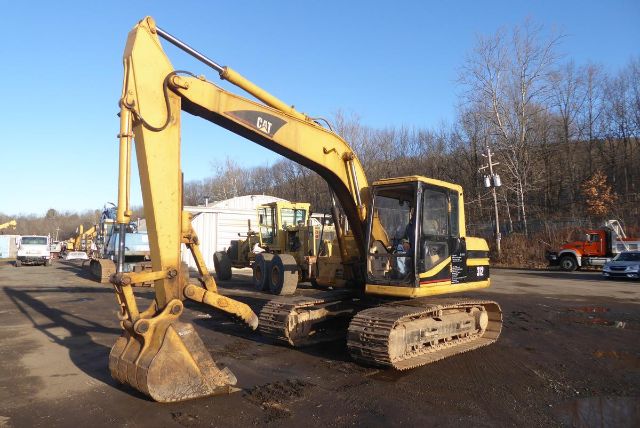
Most excavators in this category are tracked hydraulic excavators, also known as crawler excavators, though truck-mounted excavators such as Gradall units are another important subcategory for road work, ditching, and municipal applications. Crawler machines typically use hydrostatic travel drives and are valued for stability, breakout force, and performance in soft ground. Truck-mounted excavators trade some off-road capability for faster road travel and easier repositioning between jobs. If mobility matters as much as digging power, axle ratings, transmission type, tire size, and legal roadability become just as important as boom reach and bucket capacity.
Condition matters more on an excavator than paint or hours alone. Undercarriage life is a major cost factor, so inspect track pads, rollers, sprockets, idlers, and chain wear carefully. Hydraulic health is equally important. Check for cylinder seepage, pump noise, drift, slow functions, heat buildup, and excessive play in pins, bushings, and the house bearing. Engine type, horsepower, cold-start behavior, and signs of oil leaks or blow-by can tell you a lot about remaining service life. A machine with an enclosed cab, working HVAC, joystick controls, quick coupler setup, and third or fourth valve plumbing can be much easier to put to work, especially if attachment flexibility is part of the plan.
For trucking and hauling considerations, shipping length, overall width, boom-down height, and operating weight directly affect trailer selection, permit needs, and route planning. Many excavators require a lowboy or detachable gooseneck trailer, and wider or heavier units can push a move into oversize territory. Buyers should match the machine not only to the job, but also to the support equipment available to move it. A well-matched excavator earns its keep through reach, lift capacity, cycle times, and attachment compatibility, but the best value usually comes from balancing production capability with undercarriage condition, hydraulic integrity, and realistic transport costs.
Frequently Asked Questions
What should I check first when buying a used excavator?
Start with the undercarriage, hydraulics, and structural wear points. Undercarriage replacement is expensive, so track chains, pads, rollers, sprockets, and idlers deserve close attention. Then check hydraulic cylinders for leaks, test all functions for speed and smoothness, and inspect boom, stick, bucket linkage, pins, bushings, and swing bearing for excessive play. Engine start-up, smoke, blow-by, and fluid leaks should also be evaluated before hours are treated as a reliable indicator of condition.
What size excavator is best for general construction work?
For general construction, utility trenching, and mixed site work, many buyers focus on mid-size excavators in roughly the 12 to 16 metric ton range, often around 25,000 to 35,000 pounds. This class usually offers a practical balance of reach, digging depth, trailerability, and jobsite maneuverability. Larger excavators are better for production digging and heavier lifting, but they bring higher hauling costs and tighter transport limitations.
Are truck-mounted excavators different from crawler excavators in real job use?
Yes. Truck-mounted excavators are built for mobility and quick repositioning on paved roads, which makes them useful for highway maintenance, municipal work, shoulder cleaning, and ditching. Crawler excavators provide better stability, traction, and performance in soft or uneven ground, and they are generally the better choice for heavier excavation and off-road production work. The right choice depends on how often the machine needs to move between locations versus how much digging force and off-road stability the job demands.
How important are auxiliary hydraulics and extra valves on an excavator?
Auxiliary hydraulics are very important if the machine will run more than a standard bucket. Third and fourth valve setups support attachments such as hydraulic thumbs, breakers, compactors, grapples, and specialty tools. A machine with the right plumbing and a quick coupler can be far more versatile and profitable because it reduces changeover time and expands the type of work the excavator can handle.
Do excavator dimensions affect hauling and permits?
Absolutely. Operating weight, transport length, overall width, and boom-down height determine what trailer is needed and whether a move requires permits or escort planning. Heavier and wider excavators often require a lowboy or detachable gooseneck trailer, and some configurations may exceed standard legal dimensions depending on the state. Buyers should confirm transport specs early because hauling limits can affect total operating cost as much as purchase price.