
John Deere Excavators For Sale
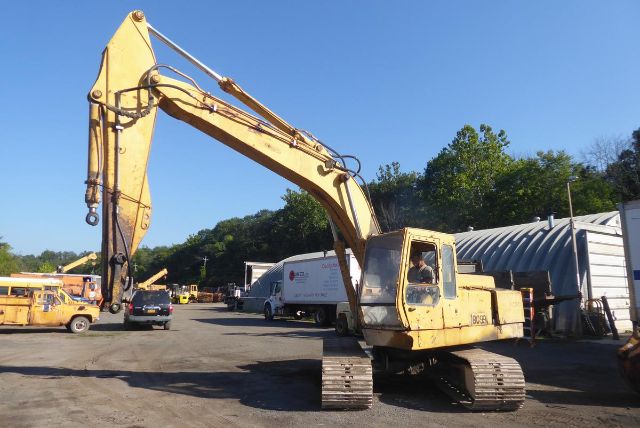
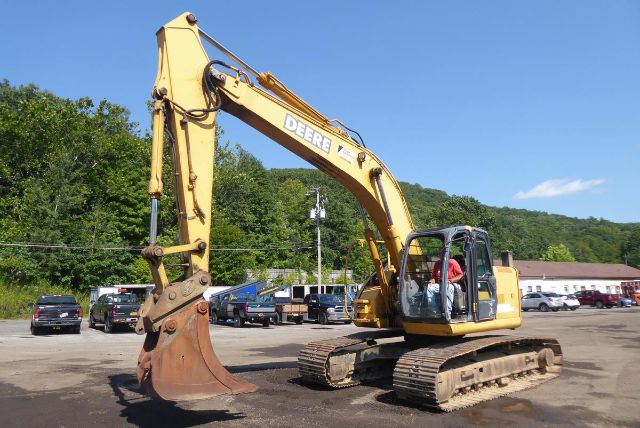
Shop John Deere excavators for sale, including crawler models for digging, trenching, site work, and heavy earthmoving applications.
Learn more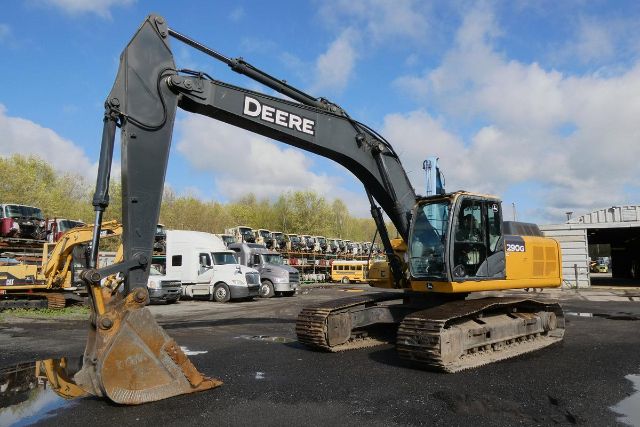
Have john deere excavators trucking equipment to sell? List it here to reach thousands of buyers.
About John Deere Excavators
A buyer comparing John Deere excavators should start with the undercarriage, pin and bushing wear, and hydraulic health before focusing on cosmetics. Track pad width, roller count, sprocket wear, and remaining undercarriage life have a major impact on ownership cost. On older units, check for seepage at cylinders, center swivel leaks, swing bearing play, and slack in the boom, stick, and bucket linkage. Machines equipped with auxiliary hydraulics, third valve plumbing, or quick couplers are usually more versatile because they can run hammers, thumbs, compactors, and specialty buckets. Cab condition also matters more than many buyers expect, especially on enclosed machines used for long shifts in grading, trenching, or demolition support.
Specs vary by series, but most John Deere excavators in this class use hydrostatic travel systems, diesel engines in the roughly 125 to 150 horsepower range for common used mid-size and heavy mid-size models, and long-carriage crawler setups for stability. Common details to compare include boom length, dipper stick length, bucket width and tooth condition, transport dimensions, and operating weight. A long carriage machine can offer better lifting stability and digging platform confidence, while a reduced tail swing model may be a better fit for roadwork, utilities, and tighter job sites. If transport is part of the equation, confirm shipping length, overall width, and height against your trailer capacity, permit requirements, and route restrictions.
John Deere excavators are used across general earthmoving, pipe and utility trenching, pond work, land clearing, foundation excavation, and truck loading. For buyers evaluating used equipment, service history and current functionality are as important as brand and model. A machine that starts clean, tracks straight, slews smoothly, holds hydraulic power under load, and shows manageable wear at the attachment points will usually outperform a cheaper unit with weak hydraulics or a worn-out undercarriage. For many fleets, the right Deere excavator is the one matched to expected bucket size, lift demands, attachment use, and transport plan rather than simply the newest year model.
Frequently Asked Questions
What should I inspect first on a used John Deere excavator?
Start with the undercarriage, hydraulic system, and attachment pin areas. Undercarriage replacement is one of the biggest ownership costs on a crawler excavator, so inspect pads, rollers, idlers, sprockets, and track tension carefully. Then check cylinders, hoses, swivel area, valve sections, and the swing bearing for leaks or play. Finally, inspect boom, stick, and bucket pins and bushings for excessive movement, because wear here affects digging accuracy, lifting confidence, and repair cost.
Are John Deere excavators good for utility and site work?
Yes. John Deere excavators are widely used for trenching, grading support, loading trucks, and general site excavation. Machines with auxiliary hydraulics or a third valve are especially useful for thumbs, hammers, and other attachments common in utility and site development work. The best fit depends on tail swing design, operating weight, stick length, and transport requirements for your region and crew.
How important is undercarriage percentage on a crawler excavator?
It is extremely important because undercarriage condition directly affects both near-term repair cost and machine performance. A machine with low remaining undercarriage life may still run and dig, but it can require significant investment in pads, rollers, sprockets, or chains. Buyers should treat undercarriage wear as a major value driver alongside engine condition and hydraulic performance, not as a minor wear item.
What specs matter most when comparing John Deere excavators?
Operating weight, engine horsepower, boom and stick length, bucket size, auxiliary hydraulic setup, transport dimensions, and undercarriage condition are the main comparison points. Buyers should also review tail swing style, cab configuration, track pad width, and hours, but hours alone do not tell the full story. A higher-hour excavator with documented maintenance and solid hydraulics can be a better buy than a lower-hour unit with structural wear or neglected service history.
Can an older John Deere excavator still be a good buy?
Yes, if the machine has sound structural condition, acceptable undercarriage life, and strong hydraulic performance. Older excavators can still be productive in farm, land clearing, and general excavation roles when the engine starts well, the pumps respond properly, and the house, boom, and linkage do not show excessive looseness. Buyers should budget realistically for wear items and verify parts availability for the specific model and serial range.