
Gradall Excavators For Sale
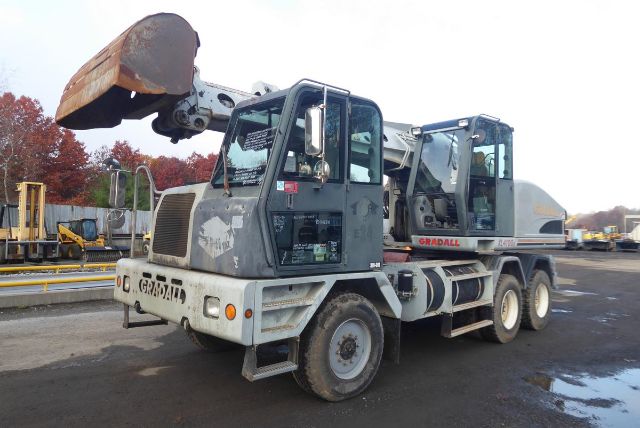
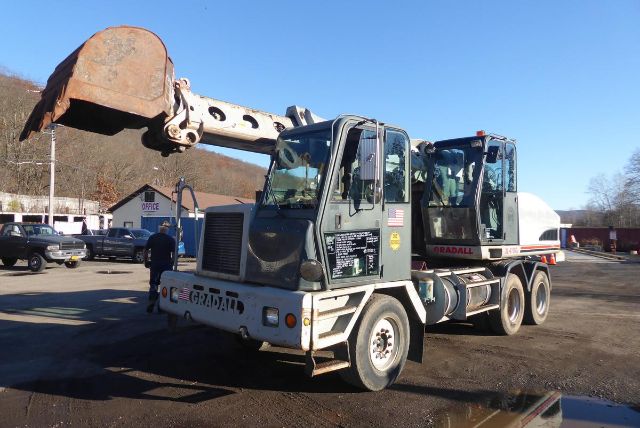
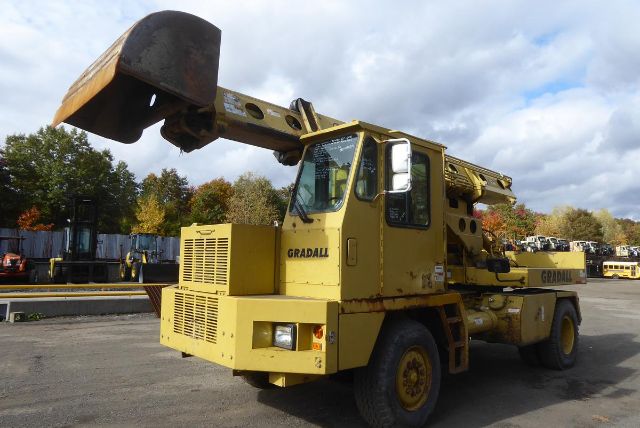
Shop Gradall excavators for trenching, ditching, slope work, and utility jobs. Compare XL-series specs, drivetrains, hydraulics, and boom setups.
Learn more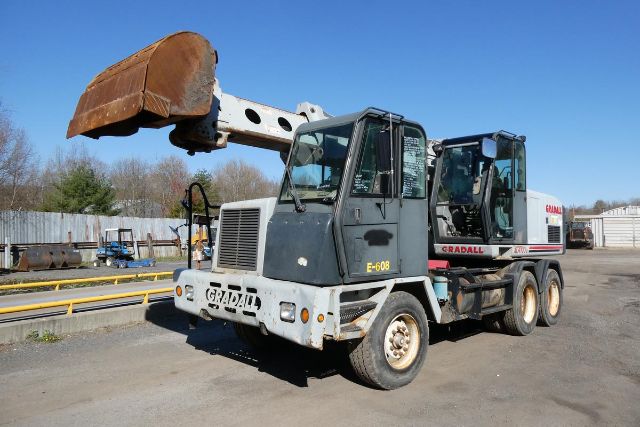
Have gradall excavators trucking equipment to sell? List it here to reach thousands of buyers.
About Gradall Excavators
For many buyers, the first decision is chassis and powertrain layout. Older Gradall excavators may use a separate rear engine to power the upper structure and hydraulics, while later XL-series units commonly run the excavator hydraulics off the truck engine. That difference affects maintenance complexity, parts planning, and total operating hours. Listings in this class often show manual transmissions such as Fuller 9-speeds, though some older machines may have Allison automatics. Common fleet specs include heavy beam or solid suspensions, Meritor or Rockwell rear axles in the 46,000 to 50,000 lb range, and front flotation-style tires paired with tandem rears. Buyers should compare engine make, horsepower, emissions generation, odometer miles, and machine hours together because a truck-mounted excavator lives two different lives: road miles and hydraulic work time.
The boom, upper structure, and hydraulic condition matter more than cosmetics. Gradall excavators are often chosen for their ability to dig below grade, work at offset angles, clean ditches, and shape banks with better precision than many conventional excavators in roadside applications. Bucket setup is a major buying point. Many units carry cleanout buckets, trenching buckets, smooth-edge buckets, or tooth buckets, and quick-change or manual disconnect arrangements can add versatility. Pay attention to boom wear, cylinder seepage, swing performance, stabilizer function, hydraulic motor strength, and any sign of slack in pins or linkage. Frame type, wheelbase, overall transport length, and legal travel width also matter if the machine will spend time moving between municipalities, utility sites, or state highway jobs.
A good Gradall excavator buyer looks past the badge and focuses on job match. Lighter older units can be attractive for municipal maintenance and occasional excavation, while later XL4100-series machines usually bring more capacity, newer power, and a heavier-duty platform for daily production work. If the machine will spend time on road shoulders, drainage channels, and uneven ground, axle ratings, tire condition, and stabilizer performance deserve close attention. If uptime is critical, inspect the hydraulic system thoroughly and verify how the machine is powered, since that affects diagnostics, repair cost, and service access. For contractors and public works departments that need a mobile excavator with truck-style travel speed and Gradall's distinctive boom geometry, this category remains one of the most specialized options in the market.
Frequently Asked Questions
What is the main advantage of a Gradall excavator compared with a conventional crawler excavator?
A Gradall excavator combines on-road mobility with excavation capability, which reduces the need for a trailer and dedicated hauling equipment. That makes it especially useful for highway departments, utility contractors, municipalities, and drainage crews that move frequently between short-duration jobs. The telescoping boom design also gives Gradall machines a strong reputation for ditch cleaning, slope work, and reach-sensitive applications where a standard boom-and-stick layout is less efficient.
What should I inspect first on a used Gradall XL4100 or similar Gradall excavator?
Start with the hydraulic system, boom structure, and stabilizers. Check for cylinder seepage, weak drive motors, slow or uneven boom functions, excessive pin and bushing wear, and signs of frame stress around mounting points. After that, compare odometer mileage with machine hours, confirm whether the excavator runs off the truck engine or a separate power unit, and review the transmission, axle ratings, and tire setup. These machines are both trucks and excavators, so the inspection needs to cover both sides equally.
Do Gradall excavators use one engine or two?
It depends on the model and generation. Some older Gradall excavators use a separate rear engine dedicated to the excavator functions, while many later XL-series machines power the hydraulics from the truck engine. A single-engine setup can simplify service and reduce the number of major components to maintain, but buyers should still evaluate how the hydraulic pump system is configured. A two-engine machine can still be a solid purchase if both power units are healthy and parts support is understood in advance.
What jobs are Gradall excavators best suited for?
Gradall excavators are widely used for ditching, culvert and canal cleaning, utility trenching, shoulder maintenance, bank shaping, stormwater work, and municipal excavation. They are also common in railroad, roadside, and right-of-way applications because they can travel between sites faster than a crawler excavator and work effectively from the road edge. Bucket selection plays a large role in job fit, especially for cleanout work versus trenching or digging in compacted material.
Are axle ratings and road specs important when buying a Gradall excavator?
Yes. Axle ratings, wheelbase, overall width, tire size, and total machine weight directly affect stability, transport legality, and jobsite performance. Heavier XL-series units often have rear axle ratings in the 46,000 to 50,000 lb range and are built for more demanding production work, but they also need to fit your route, bridge, and permit requirements. A buyer should confirm not only digging capability, but also how the machine will travel, where it will be dispatched, and whether the chassis specification matches those operating conditions.