
Motor Graders For Sale
Shop motor graders for road work, site prep, ditching, and snow removal. Compare blade size, horsepower, hours, driveline, and moldboard setup.
Learn moreBrowse Motor Graders Equipment by Make

Have motor graders equipment to sell? List it here to reach thousands of buyers.
About Motor Graders
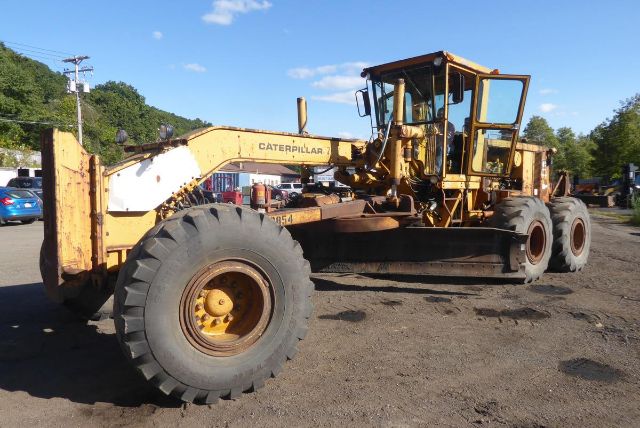
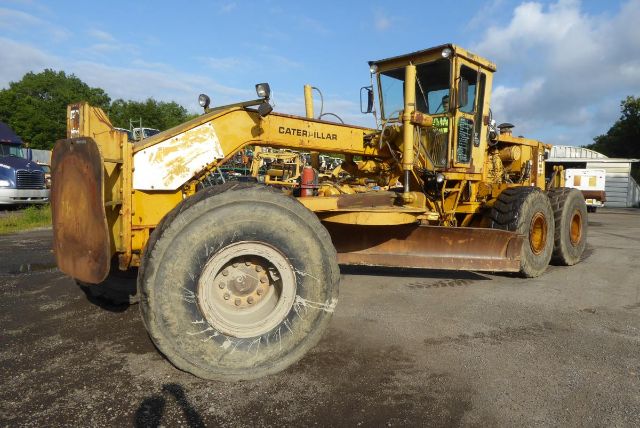
A motor grader’s core feature is the moldboard, typically in the 12-foot to 16-foot range, mounted beneath the machine on a circle that allows precise angling, side shift, and pitch adjustment. That flexibility is what lets an experienced operator establish slope, maintain drainage, and leave a smooth finished surface. Tandem-drive models are common, while all-wheel-drive graders are especially useful in snow, mud, steep grades, and other low-traction conditions. Front lift groups, scarifiers, and rear rippers add versatility by letting the machine loosen hardpack, break up compacted surfaces, or carry a snow wing or front plow. Articulation is another key feature, improving maneuverability and helping the machine hold a line in tighter work areas.
Used motor graders should be evaluated closely at the articulation joint, circle drive, blade rails, drawbar, and hydraulic cylinders because wear in these areas affects grading accuracy and repair cost. Tire condition matters more than many buyers expect, especially on AWD units where matching tire size and tread can affect traction and driveline performance. Engine hours are useful, but service records, hydraulic response, transmission shift quality, brake function, and evidence of excessive slop in the moldboard assembly usually tell more about the machine’s real condition. On older mechanical graders, buyers often appreciate simpler diagnostics and lower electronics complexity. On newer units, better controls, improved visibility, and more refined hydraulic metering can increase production and finish quality.
The best grader choice depends on the work mix. A township maintaining gravel roads and winter routes may prioritize AWD, front hydraulics, and a 12-foot to 14-foot blade. A contractor focused on site development may want stronger hydraulic response, scarifier capacity, and enough horsepower to cut packed material efficiently. Larger 16-foot-class graders bring more reach and productivity but also more transport, tire, and operating cost. If the machine will spend time on shoulders, drainage work, or long county road passes, pay attention to frame size, turning radius, blade controls, and parts support for the make and model. A well-matched motor grader can hold road crown, control washboarding, improve drainage, and reduce the number of maintenance passes needed over the season.
Frequently Asked Questions
What size motor grader is best for gravel road maintenance?
For most township, county, and private road maintenance work, a grader with a 12-foot to 14-foot moldboard is the practical starting point. That size offers enough reach and production for shaping crown, pulling shoulders, and maintaining ditches without the transport and operating costs of a very large frame machine. Horsepower, operating weight, and traction matter just as much as blade width, especially if the roads are steep, soft, or heavily washboarded.
Is all-wheel drive worth it on a used motor grader?
All-wheel drive is often worth the extra cost if the grader will work in snow, mud, loose aggregate, or hilly terrain. AWD improves steering pull and helps maintain blade load when traction is limited, which can reduce wheel slip and improve finish consistency. For dry-season grading on flatter roads, a tandem-drive machine may be fully adequate and less expensive to maintain, so the value depends on surface conditions and season of use.
What areas wear most on a motor grader?
The highest-wear areas are usually the moldboard and circle components, including the circle drive, drawbar, blade rails, cutting edge setup, and side shift or pitch linkage. Hydraulic cylinders can develop seepage or drift, and articulation joints can loosen over time. Buyers should also inspect the tandem housings, transmission behavior, steering response, brakes, and tire condition because these directly affect machine control and total reconditioning cost.
How important are hours on a used motor grader?
Hours matter, but they should not be the only buying metric. A grader with higher hours and consistent maintenance can be a better purchase than a lower-hour machine with neglected hydraulics, worn circle components, or poor tire condition. Service history, evidence of regular greasing, tightness in the blade assembly, and how the transmission, steering, and hydraulics perform under load usually provide a clearer picture of remaining value.
Can a motor grader be used for snow removal?
Yes, many motor graders are used for snow removal by municipalities, townships, and contractors. They are effective for pushing back banks, opening rural roads, and maintaining crowned surfaces during winter conditions. Machines equipped with front hydraulics, snow wings, or front plow attachments are especially useful, and AWD can make a major difference in traction and control on packed snow and ice.