
Skid Steer Loaders For Sale
Browse skid steer loaders for trucking, construction, farm, and yard work. Compare lift capacity, hydraulics, cab options, tires, and tracks.
Learn moreBrowse Skid Steer Loaders Trucking Equipment by Make
Have skid steer loaders trucking equipment to sell? List it here to reach thousands of buyers.
About Skid Steer Loaders
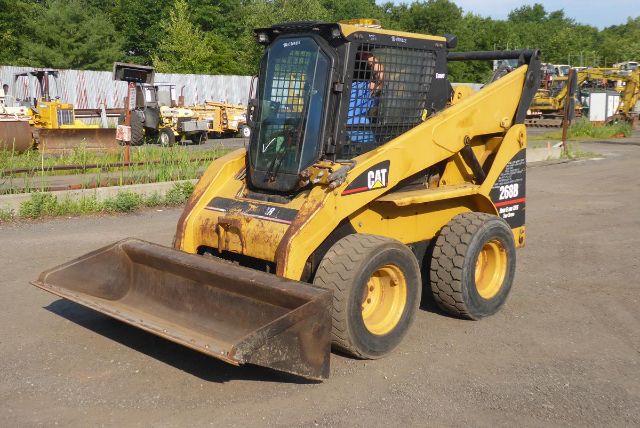
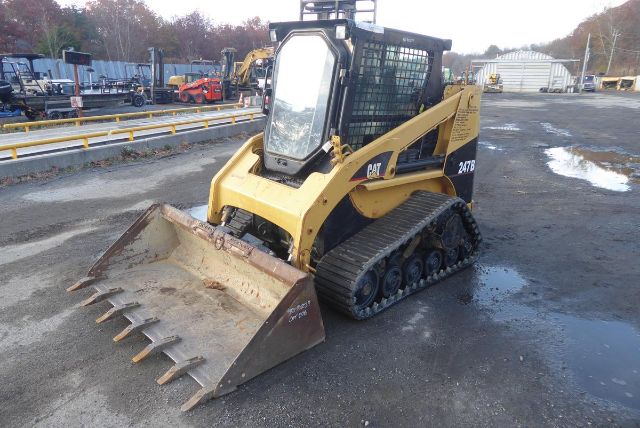
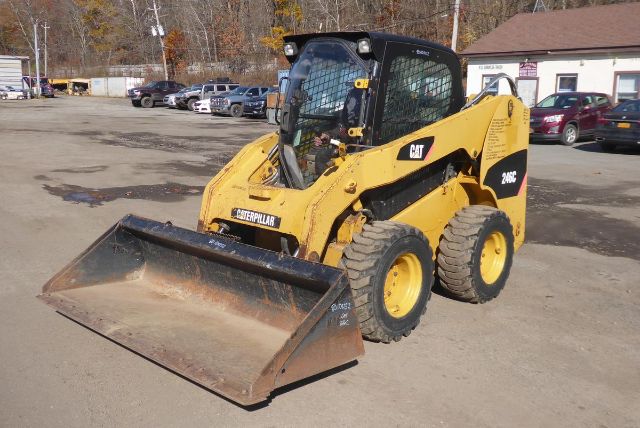
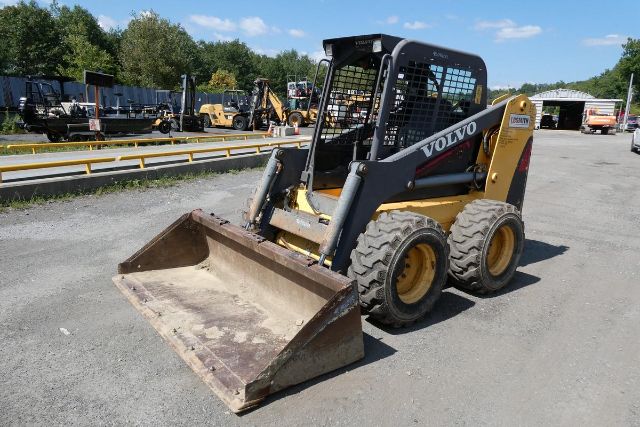
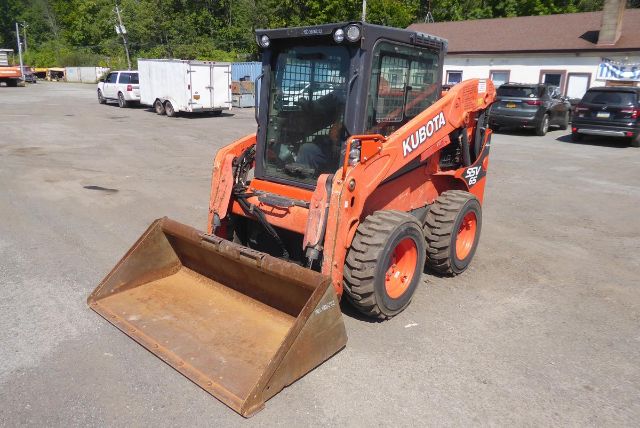
A practical buying decision is wheels versus tracks. Wheeled skid steers are usually simpler and often better on hard surfaces, pavement, and mixed fleet duty where travel speed and lower undercarriage expense matter. Compact track variants, often grouped with skid steers in marketplace searches, add flotation and traction in mud, sand, and soft ground but bring higher undercarriage wear costs. Width commonly falls around 5.5 to 6 feet, operating weight often lands between roughly 7,000 and 9,000 pounds, and lift heights are commonly suited for loading dump trucks, hoppers, and standard material bins. Two-speed travel can matter if the machine spends time crossing larger yards or moving between work zones.
Hydraulic setup matters as much as engine power. Standard auxiliary hydraulics will run common attachments like buckets, forks, augers, and basic grapples, while high-flow hydraulics are important for cold planers, brush cutters, trenchers, snow blowers, and other power-hungry tools. Quick attach systems, either manual or hydraulic, save time when switching attachments through the day. On used machines, pay close attention to boom arm condition, bucket alignment, pins and bushings, cylinder leaks, chain case noise, drive response, and whether the auxiliary lines and couplers are damaged or seeping. If the unit has an enclosed cab, check HVAC performance, door glass, lap bar and safety interlock function, and instrument panel accuracy, especially when comparing hour meter readings to ECU hours.
For transport planning, skid steer dimensions and weight are important because they affect trailer choice, securement, and legal payload. A typical machine in this category can be moved on a tag trailer, equipment trailer, or rollback depending on local rules and attachment count, but bucket width, track or tire condition, and total loaded height still need to be verified. Buyers comparing used skid steer loaders should match the machine to the work cycle first, then evaluate attachment compatibility, service access, and undercarriage or tire replacement cost. A well-matched skid steer loader can cover an unusually wide range of tasks with one power unit, which is why it remains one of the most versatile pieces of compact equipment in commercial fleets.
Frequently Asked Questions
What should I look for first when buying a used skid steer loader?
Start with rated operating capacity, tipping load, hydraulic flow, machine weight, and overall width. Those specs tell you what the loader can safely lift, what attachments it can run, and how easily it can be transported. After that, inspect pins and bushings, boom arm straightness, bucket fit, hydraulic cylinders, drive response, tires or tracks, and cab controls. Structural damage or excessive play in the linkage can be more expensive than normal cosmetic wear.
What is the difference between a wheeled skid steer and a track machine?
A wheeled skid steer usually costs less to maintain and is a strong fit for pavement, gravel yards, warehouses, and mixed-use jobs where speed and maneuverability matter. A track machine, often called a compact track loader, offers better flotation and traction in mud, sand, and soft ground. The tradeoff is higher undercarriage expense and different wear patterns. The right choice depends on surface conditions, annual hours, and whether the machine will spend most of its time pushing, loading, or running attachments.
How much horsepower and hydraulic flow do I need in a skid steer loader?
For general bucket work, pallet forks, and light attachment use, many buyers are well served by machines in roughly the 60 to 75 horsepower range with standard auxiliary hydraulics. If the plan includes trenchers, brush cutters, snow blowers, planers, or other demanding attachments, high-flow hydraulics become much more important than engine horsepower alone. Attachment requirements should be checked before purchase because a machine can have enough engine power but still lack the hydraulic volume or pressure needed for proper performance.
Are enclosed cabs worth it on a skid steer loader?
An enclosed cab adds operator comfort, weather protection, and often better year-round productivity, especially for snow removal, roadside work, and long shifts in dusty or cold conditions. Air conditioning and heat can materially improve uptime and operator retention. The tradeoff is added cost and more cab components to inspect, including glass, seals, HVAC, wiper systems, and electrical controls. Open cab machines remain common where climate is mild or where buyers prioritize simplicity and lower acquisition cost.
How do I know if a skid steer loader is easy to transport?
Check operating weight, overall width, overall height, and attachment dimensions together, not separately. Many skid steer loaders fall into a size range that is straightforward to move, but a wider bucket, heavier attachment, over-the-tire setup, or track configuration can change trailer fit and securement needs. Buyers should also confirm tie-down points, trailer deck capacity, axle ratings, and loaded height before regular transport. Transport costs and convenience can be a deciding factor when comparing otherwise similar machines.