
Volvo Skid Steer Loaders For Sale
Browse Volvo skid steer loaders for sale. Compare lift capacity, hydraulic flow, cab style, and attachment compatibility for jobsite use.
Learn more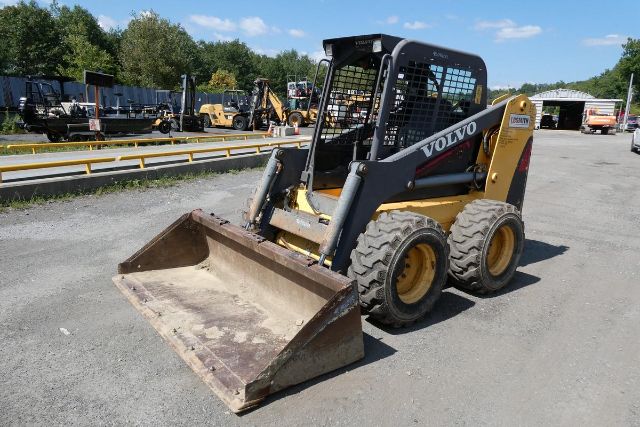
Have volvo skid steer loaders trucking equipment to sell? List it here to reach thousands of buyers.
About Volvo Skid Steer Loaders
A practical buying decision is wheelbase and overall size. A smaller Volvo skid steer loader is easier to move between sites and works well around buildings, alleys, barns, and congested yards. A heavier unit with more horsepower and breakout force is better suited for aggregate, wet soil, asphalt millings, and repeated truck loading. Tire size, air-filled versus foam-filled setups, and ground conditions matter more than many buyers expect, especially if the machine will spend time on broken concrete, scrap yards, or muddy lots. Check bucket width against machine width, and confirm the quick-attach style and auxiliary hydraulic plumbing if the loader will run powered tools.
Cab configuration also affects real-world value. Open-station machines can be attractive for seasonal use and simpler ownership costs, while enclosed cabs with heat improve productivity in cold-weather and municipal work. Visibility to the cutting edge, ease of entry, control response, and service access around the engine bay are all worth close attention on a used Volvo skid steer. On older units, inspect pins and bushings, chain case condition, hydraulic cylinder leakage, tire wear, and hour meter consistency with pedal, seat, and control wear. A strong-running machine with dry cylinders, responsive hydrostatics, and tight linkage will usually tell you more than paint and decals.
For trucking-related operations, a skid steer loader often serves as yard support equipment rather than over-the-road equipment, but it can still be a high-value asset for carriers, salvage yards, construction fleets, and material suppliers. It is commonly used to load debris, maintain terminals, clear snow, handle pallets, and keep lots in usable condition year-round. If your work includes frequent attachment changes, make sure the auxiliary hydraulics and quick coupler setup match the tools you already own. A Volvo skid steer loader is best evaluated as a compact production machine: enough lift, enough hydraulic performance, and enough durability to stay productive in confined, high-cycle work.
Frequently Asked Questions
What should I look at first when buying a used Volvo skid steer loader?
Start with rated operating capacity, hydraulic flow, machine weight, and overall condition of the hydrostatic drive system. Those items determine what the loader can actually do and how well it will handle common attachments. After that, inspect pins and bushings, bucket linkage, tire condition, auxiliary hydraulic lines, cylinders for leaks, and signs of hard use around the cab and controls. On older machines, service history and evidence of regular maintenance can matter more than model year alone.
Are Volvo skid steer loaders good for attachment work?
Yes, provided the machine has the right auxiliary hydraulic setup and enough operating capacity for the attachment. Buckets, pallet forks, augers, trenchers, sweepers, and snow implements are all common applications. Buyers should verify quick-attach compatibility, hydraulic coupler condition, and whether the machine has standard-flow or higher-flow capability if specialized tools are part of the job. A mismatch between hydraulic output and attachment demand can limit performance even if the loader itself runs well.
How important is cab style on a skid steer loader?
Cab style has a direct effect on operator comfort, productivity, and seasonal usability. An open cab is simpler and can reduce purchase cost, but an enclosed cab with heat is often the better choice for snow removal, municipal work, and long operating days in bad weather. Visibility, ease of entry, seat condition, and control ergonomics should be considered along with the cab type. A machine that is comfortable to run usually sees better operator acceptance and more consistent production.
What maintenance areas are most important on an older Volvo skid steer loader?
Pay close attention to the engine, hydrostatic transmission response, chain cases, loader arm pivots, hydraulic hoses, and cylinder seals. Listen for abnormal drive noise, check for weak travel performance under load, and inspect the bucket and quick coupler for wear. Tire condition and uneven wear can also reveal alignment or operating issues. A used skid steer with dry hydraulics, tight linkage, and smooth drive response is generally a better indicator of value than cosmetic appearance.
Can a Volvo skid steer loader make sense for a trucking or yard operation?
Yes. Many fleets use skid steer loaders to maintain terminals, load loose material, clear snow, move pallets, clean around docks, and support shop or salvage operations. The compact footprint is useful where a wheel loader or backhoe would be too large. For trucking businesses, the key is choosing a machine with enough lift height, bucket capacity, and fork stability for the tasks it will handle most often.