
Caterpillar Skid Steer Loaders For Sale
Browse Caterpillar skid steer loaders with details on lift capacity, hydraulic flow, cab options, tire or track setup, and jobsite applications.
Learn more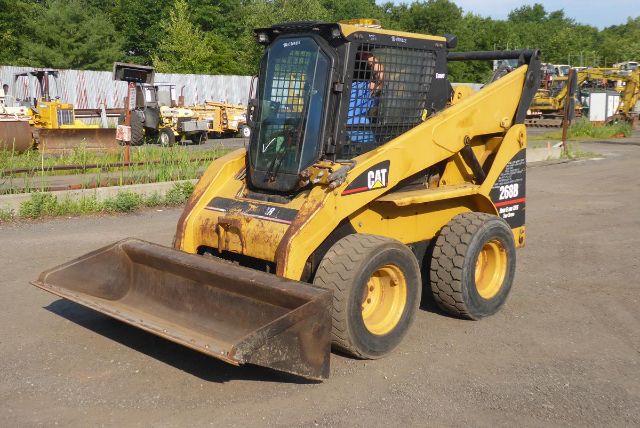
Have caterpillar skid steer loaders trucking equipment to sell? List it here to reach thousands of buyers.
About Caterpillar Skid Steer Loaders
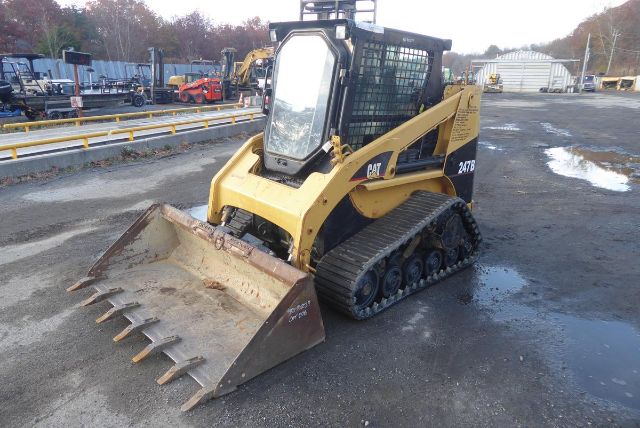
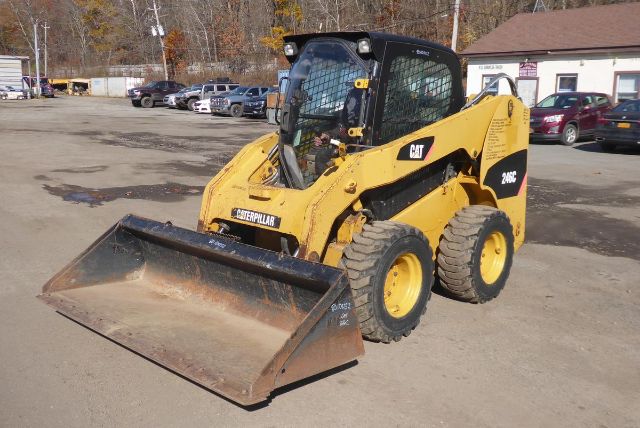
A buyer should start with operating capacity, hydraulic package, and undercarriage type. Standard-flow auxiliary hydraulics are fine for buckets, forks, and basic augers, while high-flow is important if the machine will run cold planers, mulchers, trenchers, or other hydraulic-demand attachments. Wheeled units generally offer lower maintenance cost and faster travel on hard surfaces, which suits paved yards, equipment lots, and mixed-use contractor work. Track machines, including Cat multi terrain and compact track designs, spread weight better and improve traction in mud, soft ground, and finish-sensitive surfaces, but they bring more undercarriage expense and closer inspection requirements.
Condition matters more than hour meter alone on a used Caterpillar skid steer loader. Buyers should inspect boom arm alignment, bucket sit, coupler function, cylinder leakage, pin and bushing wear, tire or track condition, final drive response, and hydrostatic performance under load. Cab equipment can also affect value, especially heat, air conditioning, pilot controls, and visibility package. On higher-hour machines, it is worth checking for slop at the attachment points, uneven tire wear, track roller wear, fault codes, and signs that the auxiliary hydraulic system has been heavily used. If the loader will be hauled regularly behind a medium-duty truck or tag trailer, overall operating weight and machine width should be matched against transport limits and trailer capacity.
Cat skid steer loaders also hold appeal because attachment compatibility is broad and parts support is generally strong. Common tools include general-purpose buckets, tooth buckets, grapple buckets, pallet forks, snow pushers, trenchers, brush cutters, and brooms. Buyers comparing models should pay attention to rated operating capacity, tipping load, hinge pin height, breakout force, and the difference between radial-lift and vertical-lift machines. Radial-lift designs are often favored for digging and grading, while vertical-lift machines tend to shine in truck loading and pallet handling. A well-matched Caterpillar skid steer loader can cover a wide range of daily tasks without taking up much space in a fleet.
Frequently Asked Questions
What should I look for first when buying a used Caterpillar skid steer loader?
Start with the machine’s rated operating capacity, hydraulic flow, and overall condition. Those three factors determine what attachments it can run and how well it will perform on your jobsite. After that, inspect pins and bushings, boom arm alignment, bucket coupler operation, cylinder seepage, tire or track wear, and hydrostatic drive response. A machine with moderate hours and tight linkage is often a better buy than one with low displayed hours but visible structural wear or weak hydraulic performance.
What is the difference between a wheeled Cat skid steer and a tracked Cat loader?
A wheeled Caterpillar skid steer is usually better on pavement, compacted yards, and jobs where travel speed and lower operating cost matter most. A tracked unit, often a compact track loader or multi terrain loader, gives better flotation and traction in mud, sand, and soft ground. Tracks can also be easier on finished surfaces, but undercarriage repairs are more expensive than replacing tires. The right choice depends on surface conditions, transport weight, and how often the machine will work in wet or unstable ground.
Is high-flow hydraulics important on a Caterpillar skid steer loader?
High-flow hydraulics are important if the loader will run demanding attachments such as planers, forestry heads, trenchers, or some cold-weather snow and ice tools. For general bucket work, pallet forks, light augers, and many brooms, standard-flow auxiliary hydraulics are often enough. Buyers should match the hydraulic package to the attachment plan before purchase, because adding or changing hydraulic capability later is usually more costly than buying the right machine up front.
Are Caterpillar skid steer loaders good for trucking and fleet support work?
Yes. They are well suited for terminals, equipment yards, small construction support fleets, and landscape or utility contractors that need one compact machine for multiple jobs. A Cat skid steer can move pallets, clean yards, load debris, push snow, and handle light grading without requiring much storage space. That versatility is a major advantage for fleets that want one machine to cover several daily tasks instead of dedicating larger equipment to small jobs.
How do I choose between radial-lift and vertical-lift Caterpillar skid steer models?
Radial-lift models are generally preferred for digging, backfilling, and ground-engaging work because the lift path provides strong mid-range performance. Vertical-lift models are usually better for loading trucks, stacking, and handling pallets because they maintain lift capacity and reach higher through the upper part of the lift arc. Buyers should base that decision on the machine’s primary task, not just price, because the wrong lift path can limit productivity even if the machine is otherwise in good condition.