
Backhoes For Sale
Browse backhoes for sale, including 2WD and 4WD loader backhoes with common specs, digging depths, bucket setups, and jobsite applications.
Learn moreBrowse Backhoes Trucking Equipment by Make

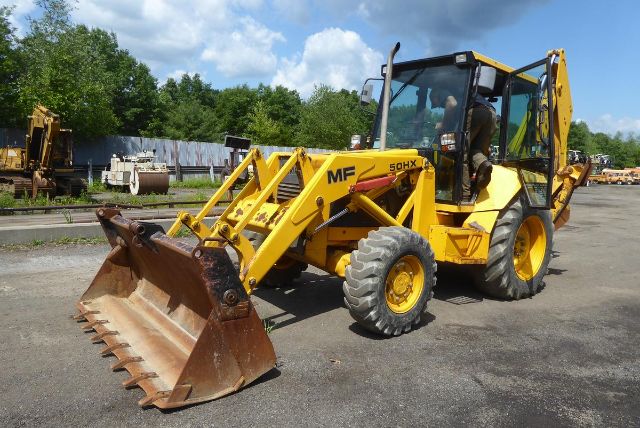
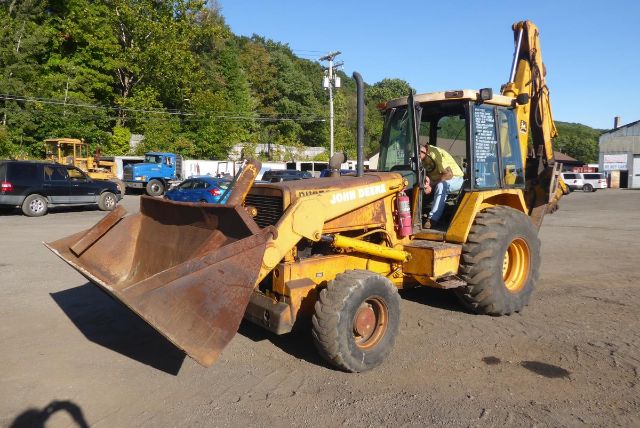
Have backhoes trucking equipment to sell? List it here to reach thousands of buyers.
About Backhoes
Frequently Asked Questions
What should I look for first when buying a used backhoe?
Start with the condition of the hydraulics, pins, bushings, and drivetrain. Excessive play in the boom, dipper, loader arms, or swing tower usually means higher repair cost and looser digging performance. Check all cylinders for seepage or active leaks, confirm the transmission shifts correctly under load, and inspect the front loader bucket, rear bucket, cutting edges, and teeth for wear. Tire condition matters too, especially on 4WD machines where mismatched tire sizes or uneven wear can create driveline issues.
How much digging capability should I expect from a backhoe loader?
That depends on the model size and whether it has an extendable dipper. Many loader backhoes in this category offer digging depths around 14 to 18 feet, with greater reach available on extendable-stick machines. Standard rear buckets are often 12 to 24 inches wide for trenching, while ditching buckets and wider loader buckets support grading and material work. If the machine will be used for utility trenches, foundation work, or drainage, boom reach, dipper length, and hydraulic breakout force are more important than engine horsepower alone.
Is 4WD worth it on a backhoe?
For many buyers, yes. A 4WD backhoe provides better traction in mud, loose fill, snow, and uneven jobsites, and it generally improves loader performance when pushing into piles or climbing grades with a full bucket. Two-wheel drive can still make sense for lighter work on firm ground, paved areas, or farm use where cost matters more than maximum traction. The right choice depends on site conditions, travel surfaces, and how often the machine will be used as a loader instead of mainly as a digger.
What attachments and options are common on backhoes?
Common backhoe options include 4-in-1 front buckets, standard general-purpose loader buckets, extendable dippers, auxiliary hydraulics, quick couplers, manual or pilot controls, enclosed cabs, and ride control or loader suspension systems. Rear attachments often include narrow trenching buckets, heavy-duty digging buckets, and ditching buckets. Buyers should also watch for practical jobsite features such as block heaters, lifting points, stabilizer pad style, and tire type such as industrial R4 rubber.
Are hours the best way to judge a used backhoe?
Hours help, but service history and overall condition matter more. A higher-hour backhoe that has tight pins, strong hydraulics, good tires, and a solid transmission can be a better buy than a lower-hour unit with neglected maintenance. Inspect the hour meter for consistency with pedal wear, seat condition, control wear, and general machine appearance. On older machines, parts support, engine type, and the condition of the cab, electrical system, and cooling system can be just as important as the meter reading.