
Recycling For Sale
Browse recycling trucking equipment for scrap, waste, and material handling, including loaders, handlers, shears, magnets, and related units.
Learn moreBrowse Recycling Trucking Equipment by Make
Have recycling trucking equipment to sell? List it here to reach thousands of buyers.
About Recycling
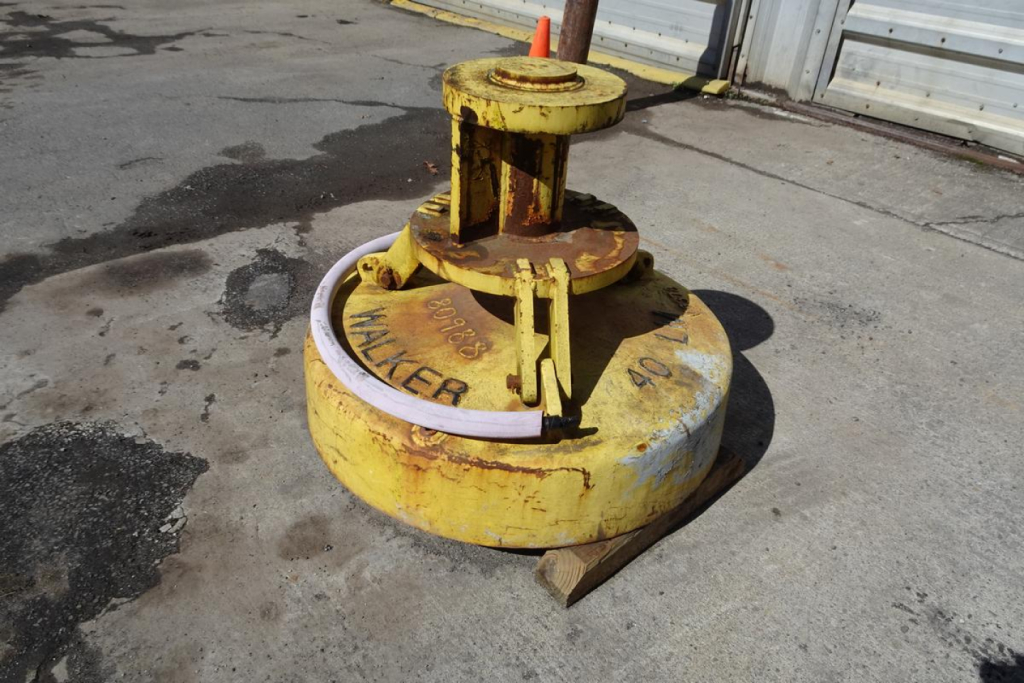
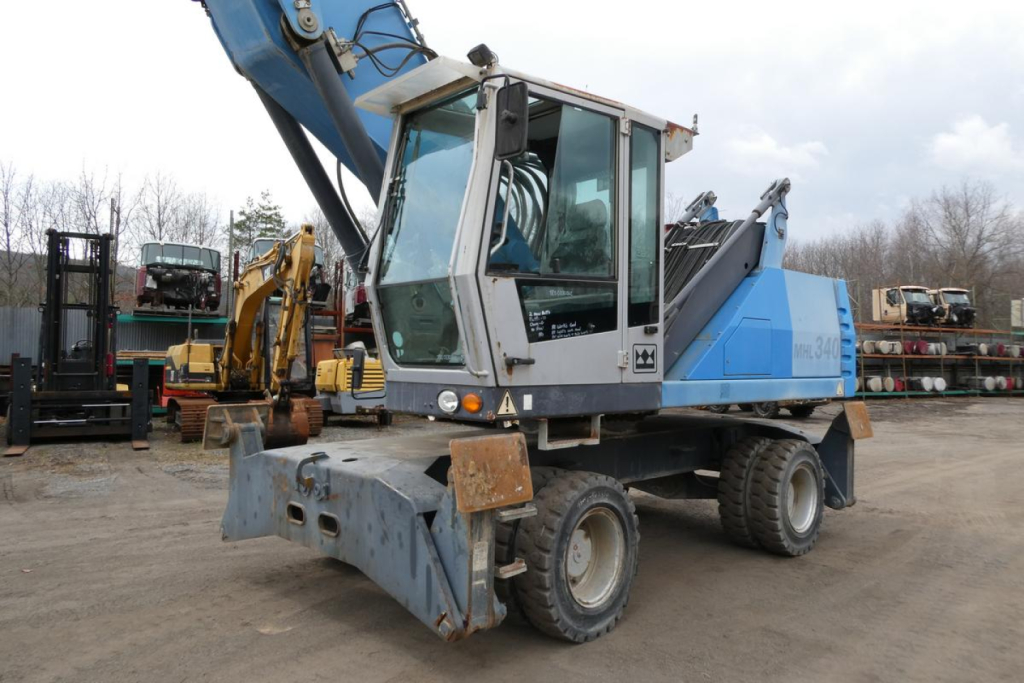
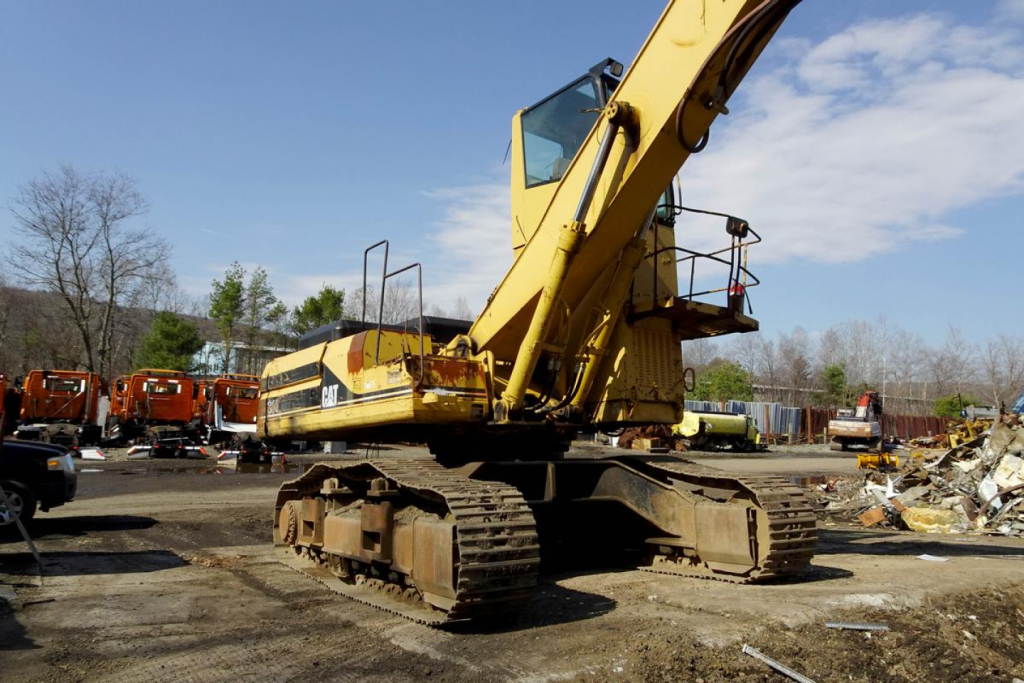
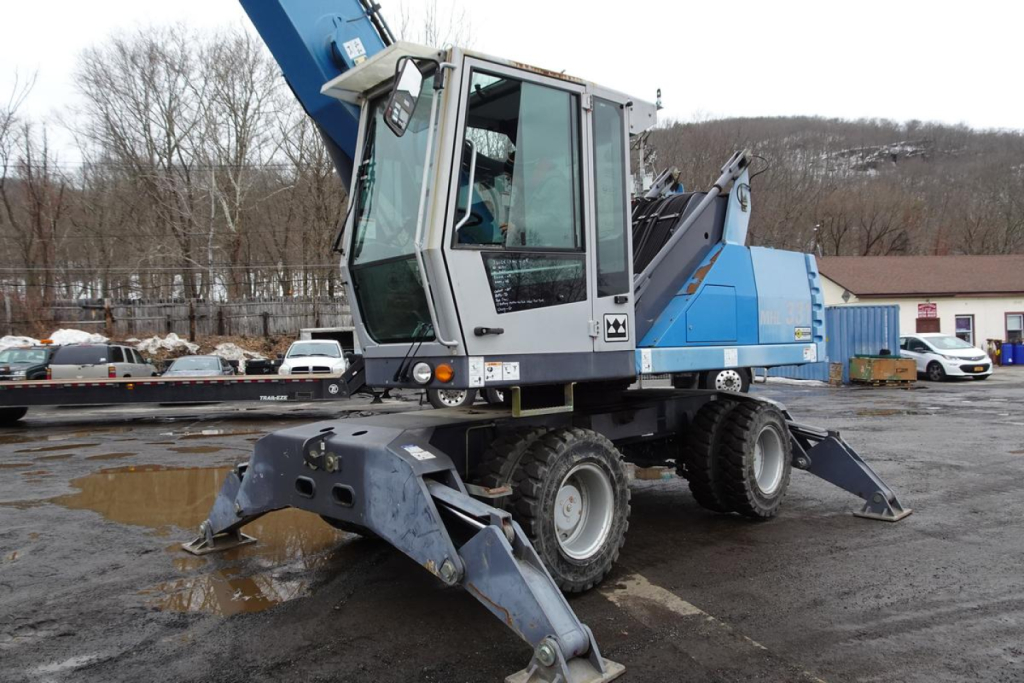
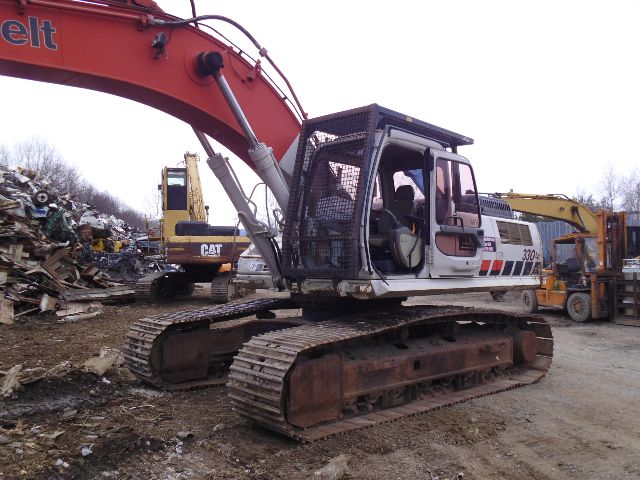
The first buying decision is usually application-specific. A yard feeding shredder stockpiles has different needs than a demolition contractor loading mixed scrap into open-top trailers or roll-off containers. Reach, lift capacity, undercarriage type, and attachment hydraulics matter more than brand alone. Wheeled material handlers are popular in recycling because they can reposition quickly on paved yards and often include outriggers for stability. Tracked units can make more sense on rougher ground or demolition work. Buyers should pay close attention to boom nose wear, stick pin and bushing condition, hydraulic pump performance, slew bearing play, and the health of auxiliary circuits if the machine will run a magnet, grapple, shear, or other specialty attachment.
Engine and hydraulic specifications directly affect productivity. Recycling machines commonly use diesel engines in the 150 to 250-plus horsepower range, paired with hydrostatic or hydraulic drive systems designed for smooth control and repetitive motion. Cab condition also matters more than many buyers expect. An enclosed cab with working heat and air conditioning, good camera visibility, and responsive joystick controls can reduce operator fatigue over a full shift. On magnet-equipped units, generator output and electrical system condition deserve close review. On shear-equipped units, inspect cycle times, jaw wear, frame integrity, and the machine's counterweight and stability setup to make sure the carrier is properly matched to the attachment.
Transport dimensions, operating weight, and jobsite layout should be part of the purchase decision from the start. Many recycling machines are wide, tall, and heavy enough to affect permitting, trailer selection, and route planning. Tire size, pad width, and ground pressure all influence how the equipment performs in paved scrap yards versus uneven debris fields. Buyers comparing recycling equipment for sale should focus on structural condition, attachment compatibility, service history, and the type of material being handled most often, from shredded scrap and demo steel to municipal recyclables and bulk waste. A machine that is correctly sized for the material stream and loading cycle will usually outperform a larger unit that is mismatched to the operation.
Frequently Asked Questions
What types of equipment are included in recycling trucking equipment?
Recycling trucking equipment commonly includes material handlers, scrap handlers, excavator-based recycling machines, shear-equipped units, magnet machines, grapple loaders, and other support equipment used to sort, process, and load recyclable material. The exact mix depends on the operation. Metal recyclers often prioritize reach, magnet capability, and shear compatibility, while waste and transfer operations may focus more on loading efficiency, visibility, and cycle speed.
What is the difference between a wheeled material handler and a tracked recycling machine?
A wheeled material handler is usually better suited for paved scrap yards and transfer facilities where mobility and quick repositioning matter. Many wheeled units also use outriggers for added stability during lifting and sorting. A tracked recycling machine is typically better on uneven ground, demolition sites, or softer surfaces where traction and flotation are more important. The best choice depends on yard conditions, travel requirements, and the attachment being used.
What should I inspect on a used recycling machine before buying?
Key inspection points include boom and stick wear, pin and bushing movement, hydraulic cylinder leaks, pump response, swing bearing condition, attachment coupler fit, and the condition of any auxiliary hydraulic or electrical systems. If the unit runs a magnet, check generator output and wiring. If it carries a shear, inspect the attachment mount, jaw wear, cracking, and carrier stability. Cab controls, cameras, cooling system condition, and undercarriage or tire wear are also important because recycling work is demanding and highly repetitive.
How much reach and lifting capability do I need in recycling equipment?
That depends on the height of your stockpiles, trailer sidewalls, hopper setup, and the density of the material being handled. A machine loading high-wall trailers or working over large scrap piles may need a longer boom and stick combination than a unit feeding a low sorting line. Lift capacity has to be considered at working radius, not just as a general spec. Buyers should match the machine to the attachment weight and the heaviest routine material, especially when handling dense ferrous scrap or oversized demolition steel.
Are magnets and shears common on recycling equipment?
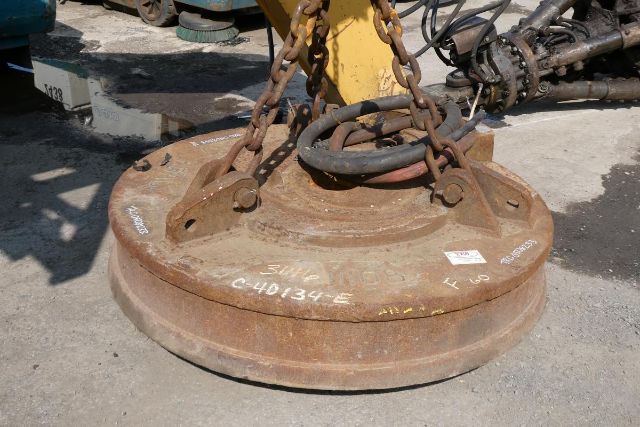
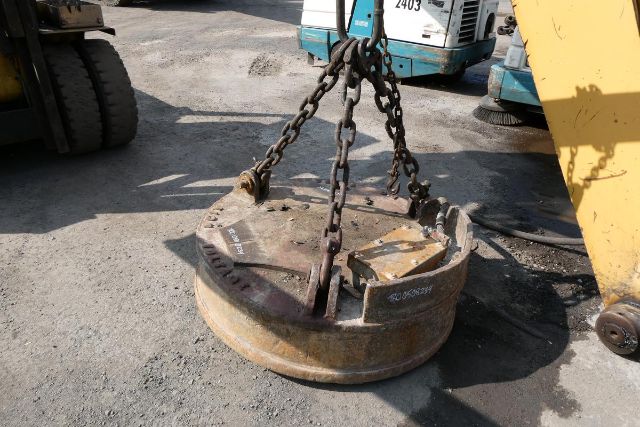
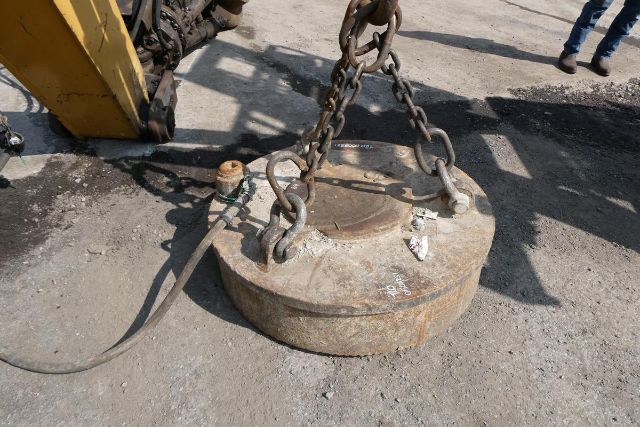
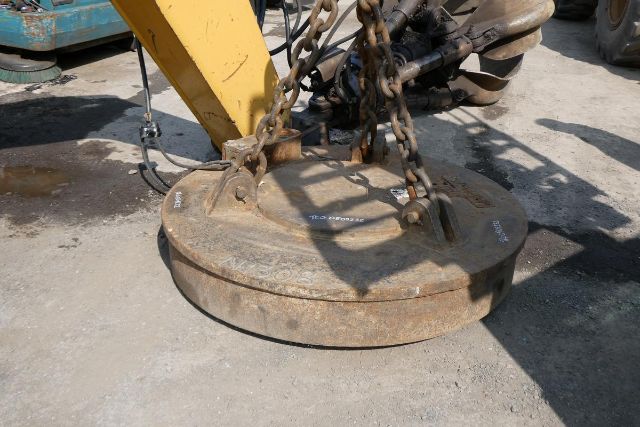
Yes. Magnets are common on machines handling ferrous scrap, auto salvage, and shredder feed because they allow fast pickup and sorting of steel material. Shears are common in demolition and scrap processing where oversized steel needs to be cut into transportable pieces. In both cases, the carrier machine must be properly set up with the right hydraulic flow, electrical support, structural strength, and counterweight configuration. Attachment compatibility is one of the most important factors in this category.