
Caterpillar Recycling For Sale
Browse Caterpillar recycling equipment for material handling, scrap, and yard work, including Cat handlers and excavator-based recycling machines.
Learn more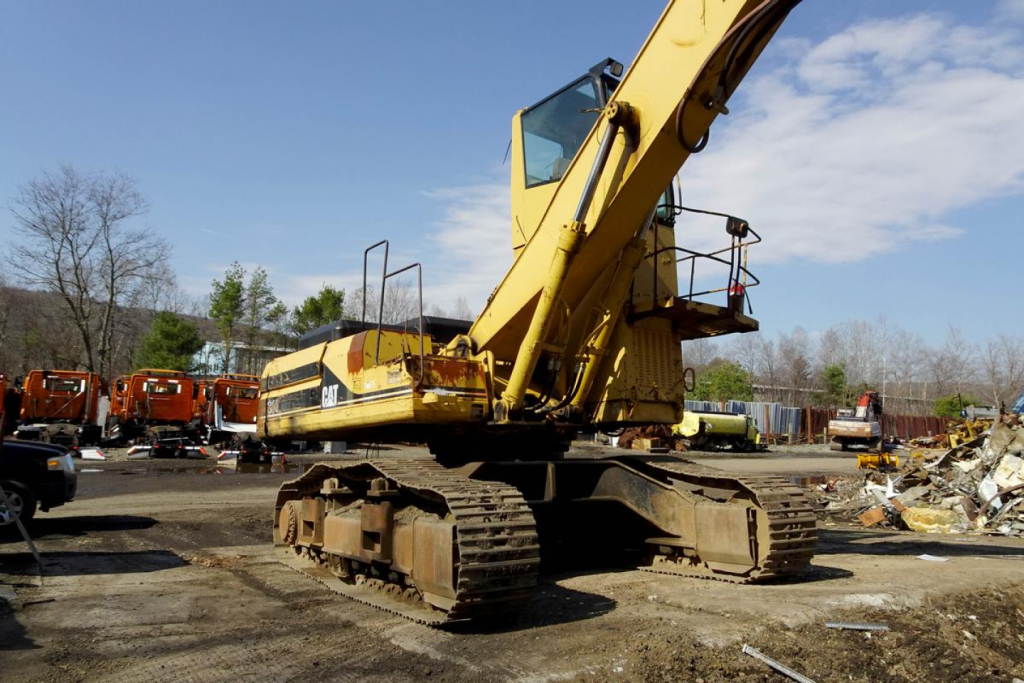
Have caterpillar recycling trucking equipment to sell? List it here to reach thousands of buyers.
About Caterpillar Recycling
A key buying decision is whether the machine was purpose-built for material handling or adapted from a standard excavator. Purpose-built Cat material handlers generally offer higher cab elevation, better visibility into containers and trailers, longer booms and sticks, and hydraulic systems tuned for repetitive pick-and-place work. Common specs to evaluate include operating weight, engine horsepower, stick and boom wear, swing bearing condition, hydraulic pump response, and generator output if the unit runs a lifting magnet. If the machine is tracked, inspect pad width, roller wear, sprockets, and overall undercarriage life. If it is mounted for yard mobility, pay close attention to axle, tire, and brake condition. In recycling applications, structural stress matters, so cracks, plating repairs, and pin and bushing wear deserve a close look.
Attachment setup can change the value of a Caterpillar recycling unit significantly. A machine sold with a plate magnet or generator package is often aimed at scrap metal work, while grapple-equipped units are better suited for bulk handling of demolition debris, municipal recycling, and loose material. Hydraulic thumb circuits, auxiliary plumbing, cab guarding, and fire suppression provisions can all be relevant depending on the site. Operators also tend to value elevated cabs, tight swing control, and smooth hydrostatic or hydraulic response because these machines spend long hours sorting, loading, and cycling. In a high-volume yard, uptime is tied directly to hose routing, cooling system health, and how well the machine has been maintained around dust, wire, and abrasive debris.
For buyers comparing Caterpillar recycling equipment for sale, the best unit is the one matched to the material stream and duty cycle. Scrap handling demands different reach, guarding, and magnet support than C&D sorting or transfer station loading. Review service records, hours, engine performance under load, and any evidence of hydraulic drift or overheating. Caterpillar equipment holds appeal in the recycling sector because the machines are straightforward to service, widely recognized by operators, and commonly supported through independent repair networks as well as Cat parts channels. Also search under terms like Cat material handler, scrap handler, waste handler, or recycling excavator, since similar units are often listed under more than one equipment label.
Frequently Asked Questions
What types of Caterpillar machines are commonly used in recycling applications?
Caterpillar recycling equipment most often includes material handlers and excavator-based machines adapted for scrap, waste, and sorting work. These units are commonly used with magnets, grapples, shears, and sorting attachments for loading trailers, feeding processing lines, and moving recyclable material in yards and transfer stations. Machines listed in this category may appear under recycling, scrap handling, waste handling, or material handling depending on how the seller classifies the unit.
What should I inspect first on a used Caterpillar recycling machine?
Start with the hydraulic system, attachment function, structural condition, and engine performance. Recycling work is hard on booms, sticks, pins, bushings, swing bearings, hose routing, and cooling systems. If the machine has a magnet, verify generator operation and lifting performance. On tracked units, undercarriage wear can represent a major expense, so pads, rollers, sprockets, and track tension should be checked carefully along with any evidence of frame or upper structure repair.
Is a purpose-built Cat material handler better than a standard excavator for recycling work?
In most dedicated recycling and scrap environments, a purpose-built material handler is the better fit. These machines typically offer improved cab height, longer reach, better visibility, and geometry designed for repetitive loading and sorting. A standard excavator can still work well for lighter or occasional recycling duty, but it may not provide the same productivity, trailer loading visibility, or attachment optimization as a true material handler.
Why does a magnet or grapple package matter when pricing Caterpillar recycling equipment?
Attachments can materially change both the machine's capability and its replacement cost. A unit equipped with a working magnet and generator package is immediately more useful in ferrous scrap applications, while a properly matched grapple setup improves productivity in bulk recycling and demolition debris handling. Buyers should look at the attachment brand, condition, hydraulic compatibility, and whether the machine's plumbing and electrical setup are complete, because missing support components can add substantial cost after purchase.
Are older Caterpillar recycling machines still a practical buy?
Older Caterpillar recycling machines can still be a practical purchase if the structure, hydraulics, and powertrain are sound. Many buyers value them because they are mechanically familiar, widely supported in the field, and often less expensive than newer purpose-built units. The key is to judge condition rather than age alone, especially on engines, pumps, swing components, undercarriage wear, and any repairs related to high-stress scrap or waste yard service.