
Terex Recycling For Sale
Shop Terex recycling equipment for material handling, scrap, and waste operations. Compare reach, grapple setup, power, weight, and cab features.
Learn more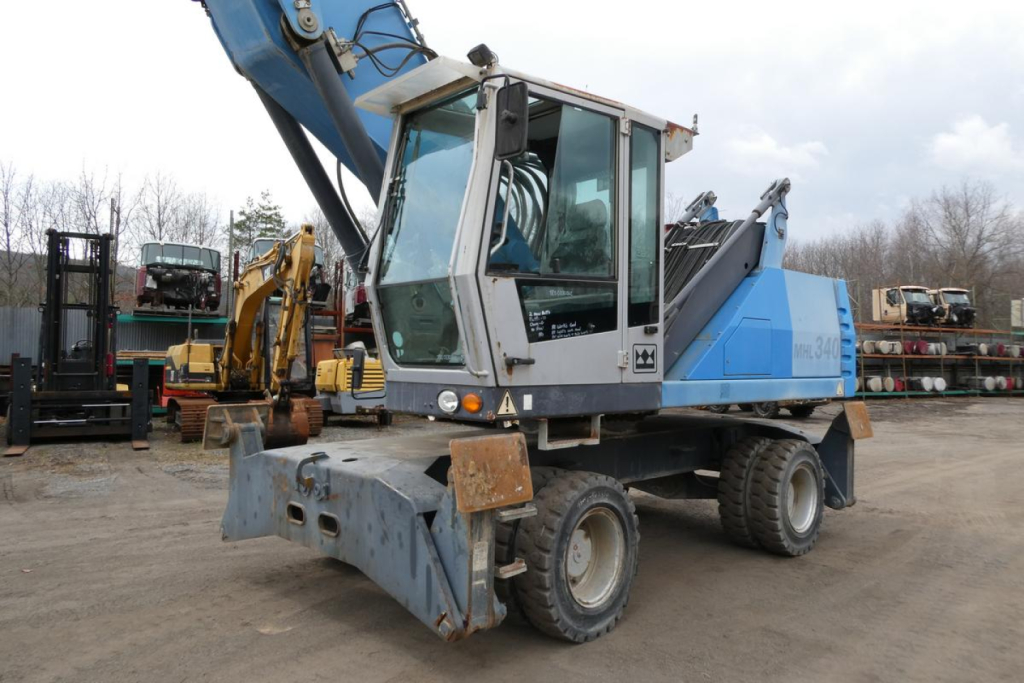
Have terex recycling trucking equipment to sell? List it here to reach thousands of buyers.
About Terex Recycling
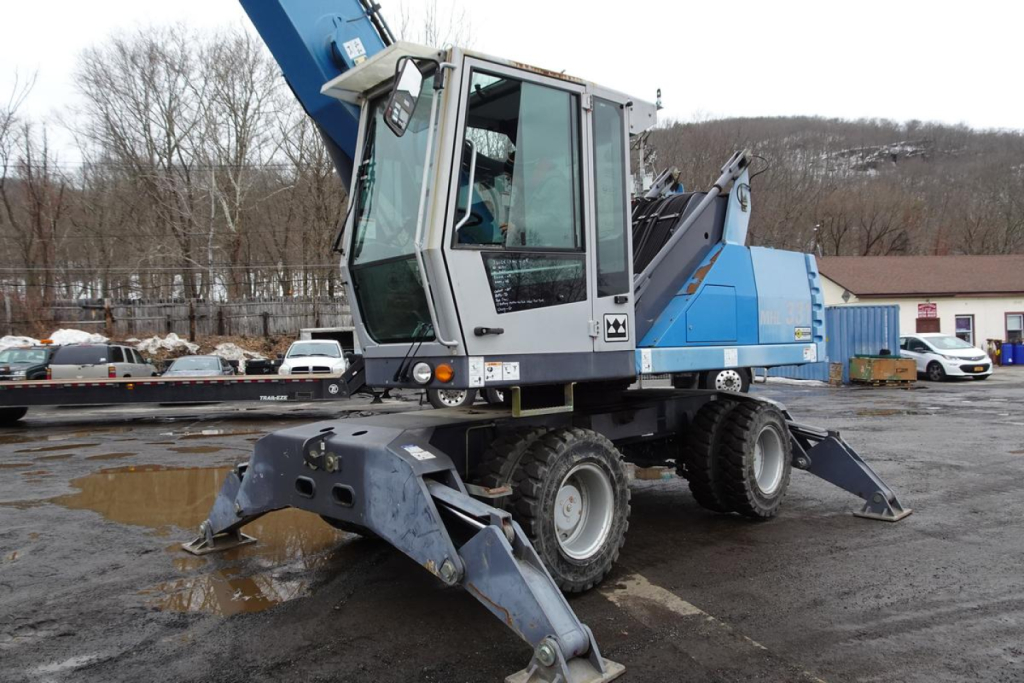
Reach and attachment setup usually matter more than raw horsepower. Many Terex recycling handlers are spec'd with grapple and rotator packages for sorting, loading, and stockpile work, while some also include a generator for running a lifting magnet in ferrous scrap applications. Buyers should compare boom geometry, stick length, and total reach against the layout of the yard. A machine with roughly 30 to 45 feet of reach can be a strong fit for trailer loading, rail work, or feeding shredders and balers, but the right spec depends on pile height, bunker depth, and required swing radius. Tire size, overall transport dimensions, and operating weight also affect how easily the machine can be moved and positioned.
Terex recycling units commonly use diesel power from industrial engines such as Deutz, paired with hydraulic systems designed for continuous handling work. Cab condition and visibility are important on used machines. Check the function of A/C, backup cameras, joysticks, warning systems, and any cab riser mechanism, because operator comfort and visibility directly affect productivity over a long shift. Outriggers, cylinder condition, slew bearing wear, upper structure play, and attachment pin boss wear deserve close inspection. If the machine is magnet-ready, confirm generator output, wiring condition, and magnet controls instead of assuming the electrical setup is complete.
For buyers comparing Terex recycling equipment listings, the best value usually comes from matching the machine to the material stream and duty cycle. Scrap metal handling, municipal recycling, demolition debris sorting, and waste transfer work all place different demands on reach, lift capacity, cab elevation, and attachment choice. A lighter wheeled handler may be easier to transport and ideal for general yard work, while a heavier unit with more reach and a robust grapple package can improve production in high-volume scrap applications. Service history, hydraulic performance under load, and attachment condition will usually tell you more than appearance alone.
Frequently Asked Questions
What kind of Terex equipment is typically sold in the recycling category?
Most Terex recycling listings are material handlers used in scrap, waste, and recycling operations rather than highway trucks. These machines are commonly wheeled handlers with hydraulic booms, sticks, grapples, outriggers, and elevated cabs. They are designed for loading trailers, sorting material, feeding processing equipment, and handling bulk recyclables or scrap metal in confined yard environments.
What specs should I compare first on a used Terex recycling handler?
Start with reach, operating weight, attachment type, and undercarriage or tire setup. After that, compare engine horsepower, hydraulic performance, cab visibility features, and whether the machine includes a magnet generator if you handle ferrous scrap. Shipping dimensions also matter because taller or longer handlers can add transport cost and route restrictions. A machine that matches your yard layout and material type is usually a better buy than one with higher headline power alone.
Are Terex recycling machines suitable for scrap yards and transfer stations?
Yes. Terex material handlers are widely used in scrap yards, transfer stations, demolition recycling, and metal recovery operations because they are designed for repetitive pick-and-place work. Long boom reach, stable outriggers, and purpose-built attachment options help improve loading speed and sorting efficiency. The right machine depends on whether you need to load open-top trailers, feed shredders, work around railcars, or sort material inside a tighter footprint.
What should I inspect on a used Terex recycling machine before buying?
Pay close attention to hydraulic cylinders, hoses, pump response, swing bearing condition, boom and stick pin wear, and any looseness in the upper structure. Test the cab riser if equipped, and confirm that the A/C, backup camera, joysticks, and warning systems function correctly. If the machine comes with a grapple, rotator, or magnet setup, inspect those components as closely as the base machine. A clean appearance is less important than dry cylinders, smooth hydraulic operation, and documented maintenance.
Why is a hydraulically adjustable cab important on recycling equipment?
A hydraulically adjustable or elevated cab improves the operator's view into trailers, containers, hoppers, and stockpiles. Better visibility can reduce misloads, shorten cycle times, and improve safety around ground personnel and nearby equipment. In scrap and recycling work, where operators often load uneven material into high-sided trailers or process lines, cab height is a practical productivity feature rather than just a comfort option.