
Link Belt Recycling For Sale
Shop Link-Belt recycling equipment including material handlers and shear-equipped excavators built for scrap, demolition, and metal processing.
Learn more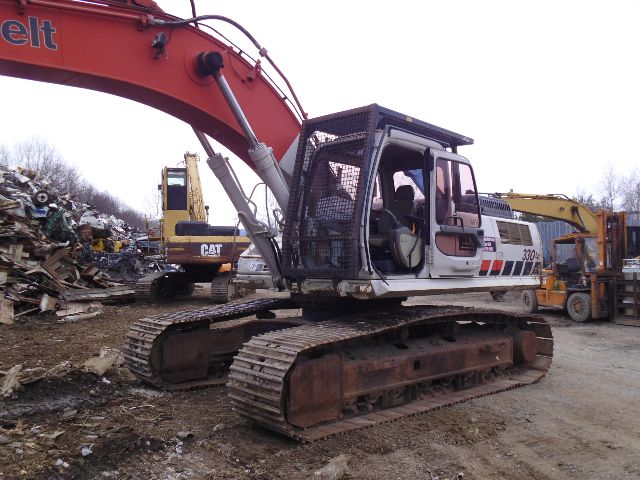
Have link belt recycling trucking equipment to sell? List it here to reach thousands of buyers.
About Link Belt Recycling
One of the first things to evaluate is the front-end configuration and hydraulic package. Boom and stick length determine working envelope, truck loading ability, and how comfortably the machine can reach across piles or into containers. Auxiliary hydraulics, hydraulic flow, and operating pressure need to match the attachment, especially if the machine carries a shear. Buyers should also pay attention to operating weight, undercarriage style, and pad setup because a heavier machine with the right stance will generally provide better stability during cutting and lifting. Enclosed cabs, guarding, debris protection, heat and air conditioning, and visibility around the attachment are also important in recycling applications where operator fatigue and site hazards are real concerns.
For scrap and demolition work, Link-Belt machines are often judged on engine reliability, swing performance, and smooth hydrostatic response under load. Common buyer checkpoints include engine hours, pin and bushing wear, turntable play, cylinder seepage, pump performance, and the condition of the cooling package because recycling environments are hard on hydraulic and cooling systems. If the machine is paired with a shear, inspect knife condition, jaw alignment, rotation function, and whether the carrier has the correct guarding and hydraulic tuning for that tool. Transport dimensions and machine weight also matter, since larger recycling machines may require permit planning depending on region and trailer setup.
A good Link-Belt recycling machine should match the material stream and the duty cycle. Scrap processors may prioritize shear performance and lifting stability, while transfer stations and mixed recycling yards may focus more on grapple work, reach, and fast sorting cycles. Buyers comparing listings should look beyond model year and focus on attachment setup, service history, undercarriage condition, and how the machine has been used. A properly configured Link-Belt recycling unit can serve as a production asset for cutting, sorting, loading, and material movement across a wide range of recycling operations.
Frequently Asked Questions
What types of recycling work are Link-Belt machines commonly used for?
Link-Belt recycling equipment is commonly used for scrap metal processing, demolition cleanup, C&D recycling, and material handling in transfer or recovery yards. Depending on the configuration, the machine may be used to run a steel shear, sort mixed debris with a grapple, load trailers, feed shredders or crushers, or move processed material. The exact role depends on boom and stick setup, hydraulic capability, and the attachment installed.
What should I check when buying a shear-equipped Link-Belt recycling machine?
Start with the hydraulic system because shear performance depends on proper flow, pressure, and return capacity. Then inspect the shear itself for jaw wear, blade condition, rotation performance, and any cracking or weld repairs. On the carrier, check boom and stick integrity, pin and bushing wear, swing bearing play, cooling system cleanliness, cylinder condition, and undercarriage wear. It is also important to confirm that guarding and attachment plumbing were installed correctly for recycling duty.
Is an excavator-based recycling machine different from a purpose-built material handler?
Yes. An excavator-based recycling machine is often a versatile and cost-effective platform for shear work, grapple loading, and general yard tasks, especially if the machine already has the right auxiliary hydraulics. A purpose-built material handler is typically designed for more reach, higher cab elevation, and repetitive sorting or loading cycles. Buyers should choose based on the attachment, required reach, material density, and daily operating pattern rather than machine type alone.
Why do operating weight and undercarriage setup matter in recycling equipment?
Operating weight and undercarriage configuration directly affect stability, lifting confidence, and attachment control. A heavy recycling machine with the right track width and pad setup will usually feel more planted when handling scrap or running a shear. Undercarriage condition also affects total ownership cost, so buyers should inspect chains, rollers, idlers, sprockets, and pad wear carefully. In many cases, undercarriage replacement is one of the largest upcoming expenses on a used machine.