
Agriculture - Tractors For Sale
Used agriculture tractors for sale, including 2WD and 4WD farm tractors with PTO, loaders, cabs, mower setups, and utility applications.
Learn moreBrowse Agriculture - Tractors Trucking Equipment by Make
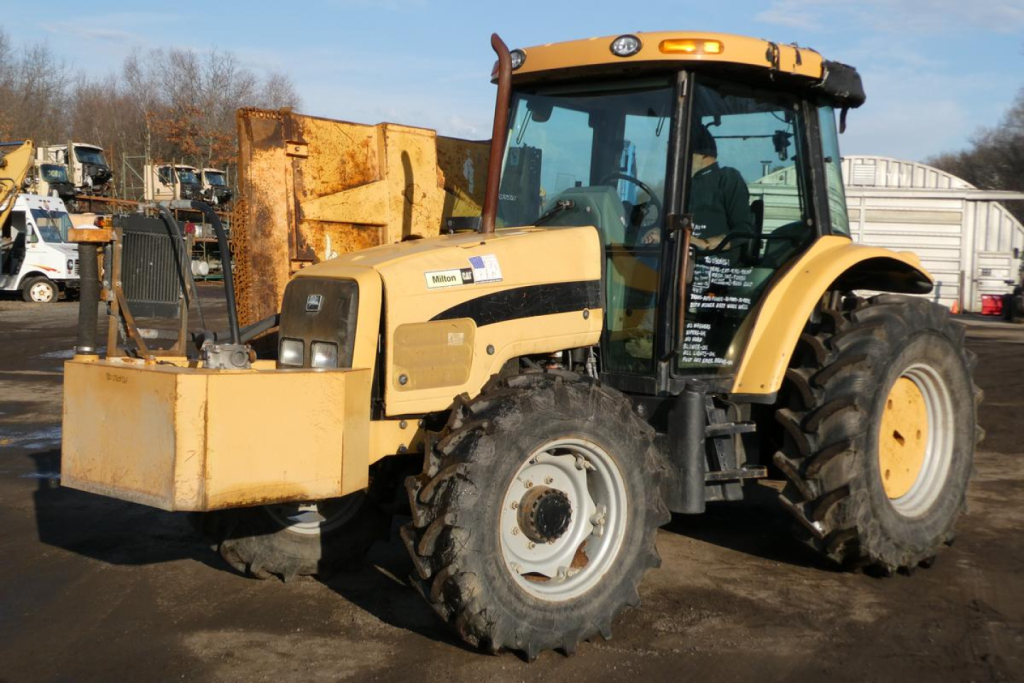
2008 Challenger MT455B
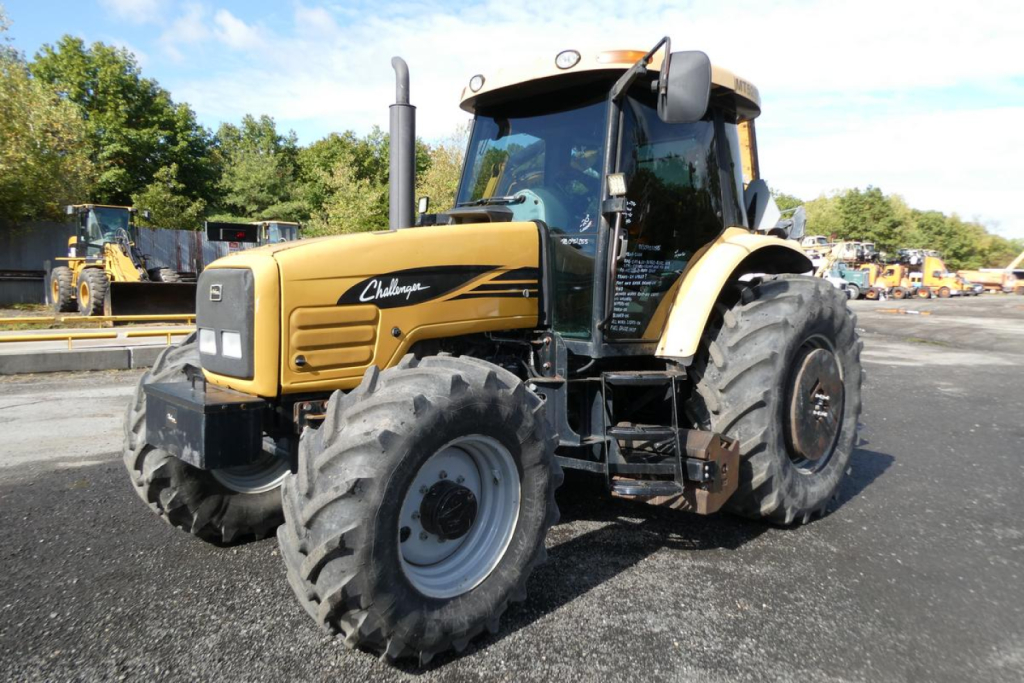
2005 Challenger MT525B
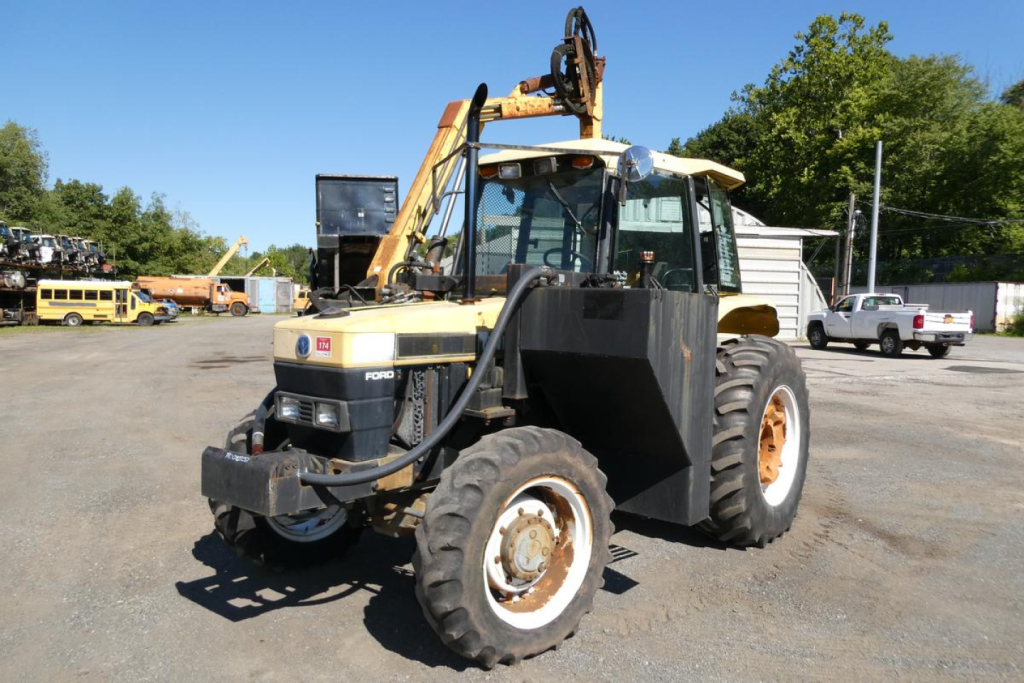
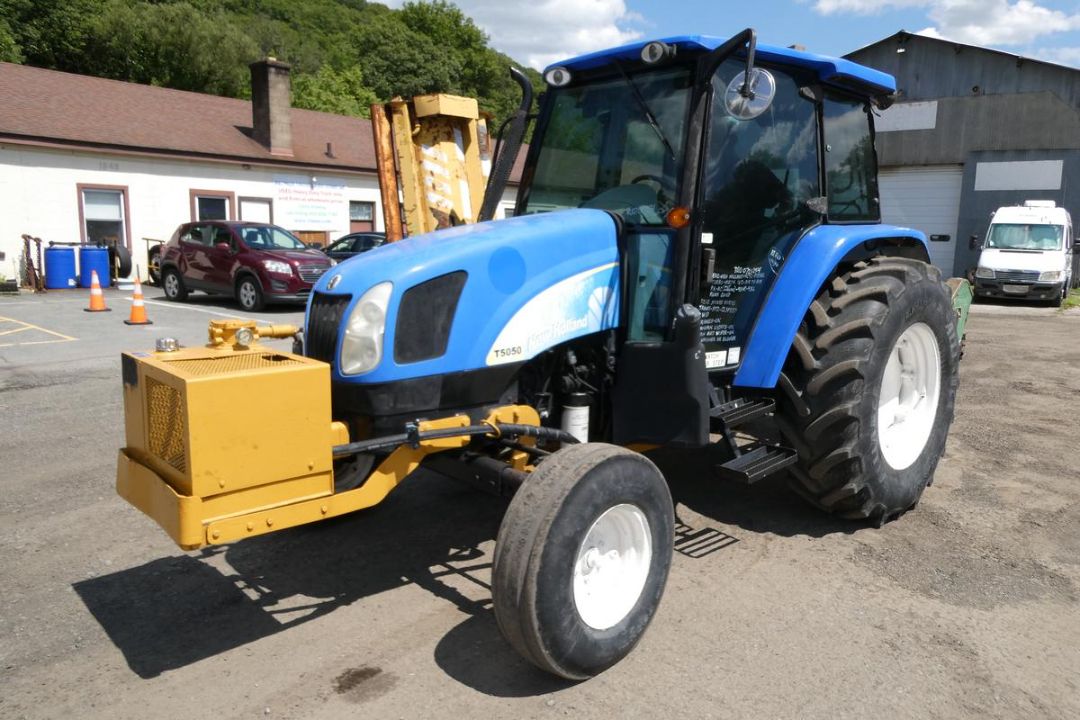
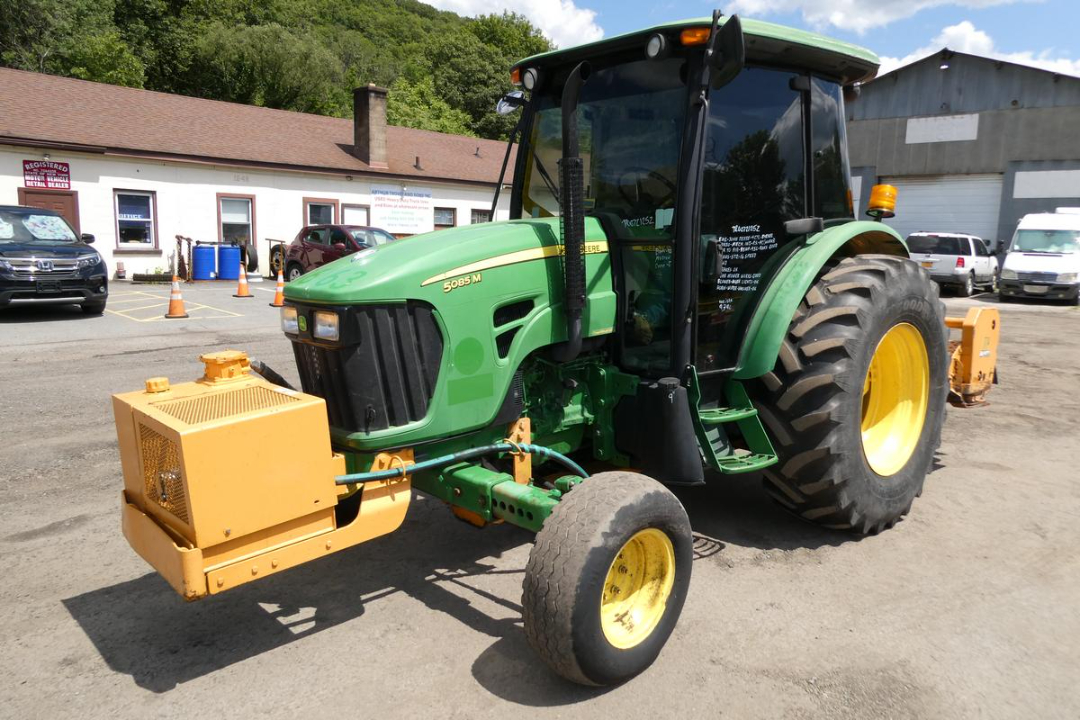
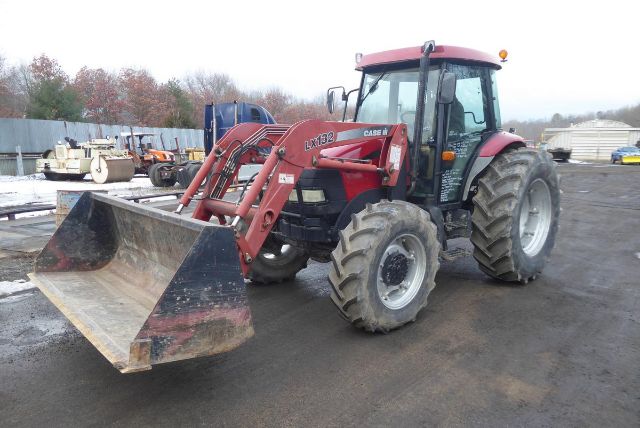
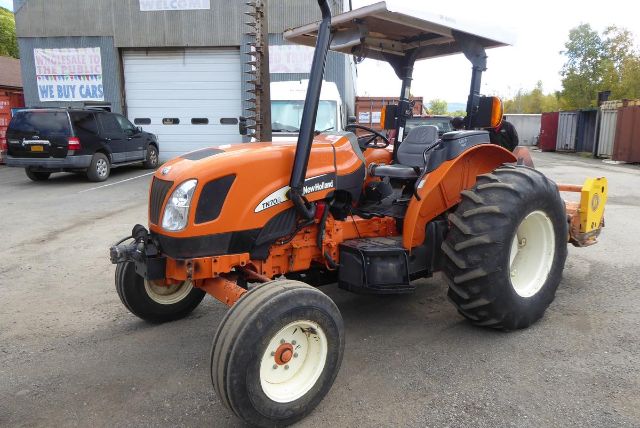
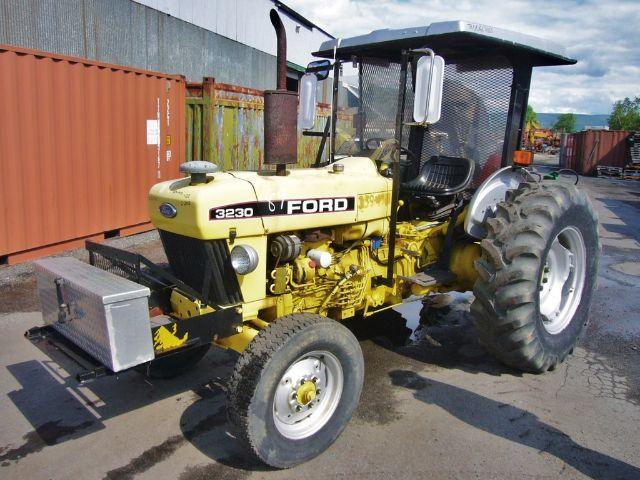
Have agriculture - tractors trucking equipment to sell? List it here to reach thousands of buyers.
About Agriculture - Tractors
Transmission type and chassis layout have a direct effect on productivity. Older mechanical 8-speed or 12-speed tractors are straightforward to maintain and often appeal to buyers who want a simple machine for seasonal use. Higher-speed power shuttle or automatic-style transmissions are better suited to repetitive directional changes, transport work, and loader use. Many buyers also focus on 3-point hitch configuration, rear remote hydraulics, and front pump setups because those features determine what attachments the tractor can actually run. Common attachments in this class include front loaders, side-arm mowers, rotary flails, sickle mowers, and rear-mounted implements. If a tractor is already set up for roadside mowing, pay attention to hydraulic pump drive, boom condition, mower-head wear, and whether the attachment is PTO-driven or fully hydraulic.
Cab and operator-station choices also matter more than many first-time buyers expect. Open ROPS tractors are lighter, simpler, and easier to service, but enclosed cab tractors can be a better choice for long mowing days, dusty field conditions, and municipal or roadside work. On used units, inspect AC operation, blower function, glass condition, seat suspension, and control layout. Tire size and tread style affect flotation, traction, transport stability, and replacement cost, especially on tractors that split time between fields and pavement shoulders. Buyers should also verify axle adjustability, wheel bolt pattern, rear lift capacity, and overall dimensions if the tractor needs to fit trailers, sheds, or narrow access points.
For used agriculture tractors, condition is usually judged by hours, cold-start behavior, hydraulic response, PTO engagement, steering play, brake feel, and evidence of leaks around engine, axle, and remote couplers. A tractor that runs a mower or loader should be checked under load, not just at idle. Look for clean hydraulic function, stable lift performance, smooth clutch or shuttle operation, and even tire wear that matches the stated application. Also known as farm tractors or utility tractors, these machines remain some of the most versatile equipment in any fleet because one platform can handle mowing, loader work, light hay work, property maintenance, and general material handling with the right hitch, hydraulics, and attachment setup.
Frequently Asked Questions
What size agriculture tractor is best for mowing and general property maintenance?
For mowing, light grading, and general acreage work, many buyers start in the 50 to 100 hp utility tractor range. That size class typically provides enough engine and PTO power for rotary cutters, flail mowers, and common 3-point implements without moving into a much larger chassis. The right choice still depends on terrain, implement width, and whether the tractor will also handle loader work, because steep ground and hydraulic attachments often justify more horsepower and 4WD.
Is 2WD or 4WD better on a used farm tractor?
A 2WD tractor can be a cost-effective choice for flat ground, lighter drawbar work, and mowing on stable surfaces. A 4WD tractor is usually the better fit for loader work, muddy areas, slopes, and heavier field applications where traction matters. On the used market, 4WD often brings a higher price, but it can return value through better productivity and less wheel slip in demanding conditions.
Why is PTO horsepower important when buying an agriculture tractor?
PTO horsepower tells you how much usable power is available to run implements such as flail mowers, rotary cutters, finish mowers, and other driven attachments. Engine horsepower alone does not tell the full story because driveline losses reduce the power that reaches the PTO shaft. If the tractor will mainly power mowing or hay equipment, PTO rating should be matched closely to the implement’s requirements.
What should I inspect first on a used tractor with a loader or mower attachment?
Start with hydraulic performance, because loader arms, mower booms, and hydraulic motors quickly reveal issues that may not show up during a simple walkaround. Check for pump noise, cylinder drift, leaking hoses, cracked mounts, worn pivot points, and slow or uneven function. On mower-equipped tractors, confirm whether the attachment is PTO-driven or hydraulic-driven, and inspect the pump drive, cutting head, gearbox or motor condition, and overall structural wear.
Are enclosed cab tractors worth it for agricultural and roadside use?
An enclosed cab can be worth the added cost for buyers who spend long hours mowing, operating in dust, or working in hot or cold weather. A cab improves operator comfort, reduces fatigue, and offers better protection from debris on roadside and municipal jobs. On a used tractor, the cab should be evaluated carefully because non-working AC, damaged glass, bad door seals, or inoperative blowers can turn a cab tractor into a more expensive machine to own than expected.