
Challenger Agriculture - Tractors For Sale
Shop Challenger agriculture tractors for sale. Compare horsepower, 4WD, PTO, transmission options, tire setups, and cab features for farm work.
Learn more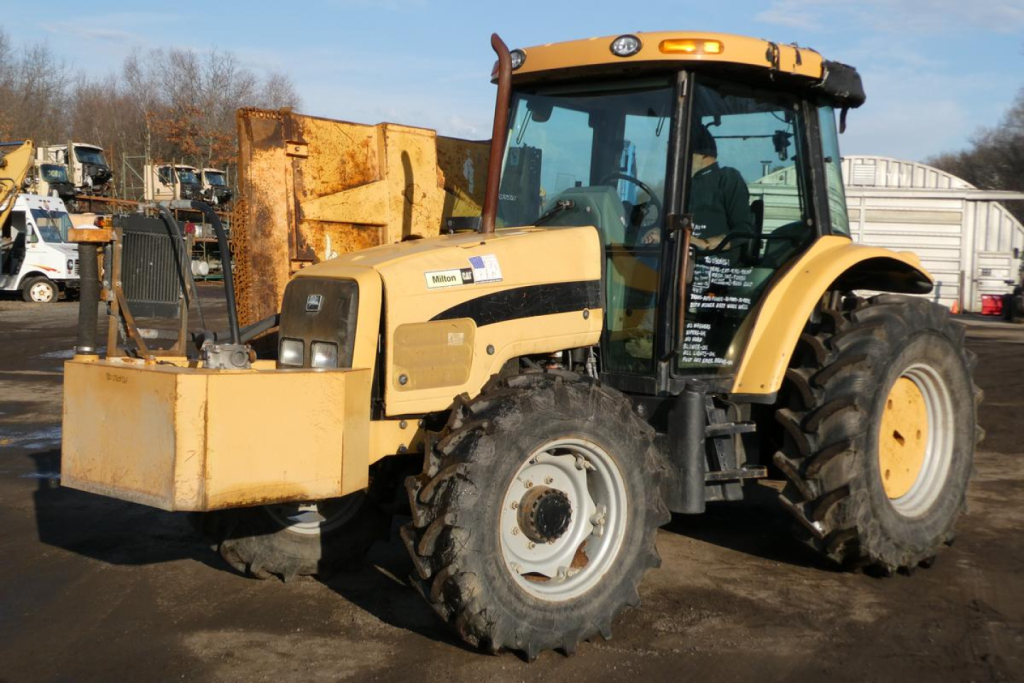
Have challenger agriculture - tractors trucking equipment to sell? List it here to reach thousands of buyers.
About Challenger Agriculture - Tractors
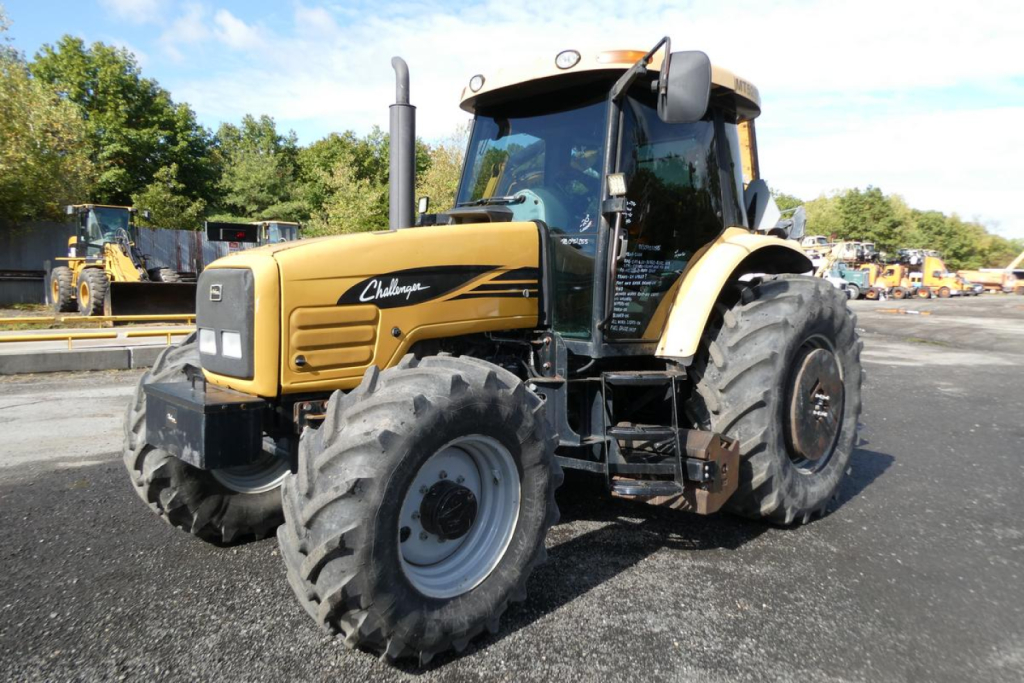
A lot of purchase decisions in this category come down to transmission and hydraulic setup. Models equipped with multi-speed powershift or automatic-style transmissions can be a better fit for repetitive field work, roadside mowing, or operations that require frequent speed changes without stopping. If the tractor will run batwing mowers, flail mowers, cutters, sprayers, or other hydraulic attachments, pay close attention to pump arrangement, remote outlets, PTO function, and any front-of-engine hydraulic drive systems already installed. Tire size and tread matter too. Common agricultural tire combinations with larger rear tires and smaller front tires help with traction, flotation, and ride quality, but buyers should still inspect for uneven wear, ballast needs, and whether the current setup matches row-crop, pasture, or municipal mowing work.
Cab condition is another important factor on Challenger tractors, especially on machines used for roadside or municipal applications. Air conditioning, visibility, control placement, and glass condition affect day-long productivity more than many buyers expect. On used units, it is smart to verify hour meter operation, cold-start behavior, steering response, shuttle engagement, PTO engagement, and 3-point hitch function under load. If a tractor has been paired with a side mower, boom mower, or flail setup, inspect the added hydraulic plumbing, frame mounting points, and front pump drive components for leaks, vibration, or wear. These details can tell you a lot about how the tractor was used and how much life remains in the attachment package.
Challenger tractors appeal to buyers who want a versatile farm tractor with enough weight and hydraulic capability to handle more than light chore duty. Also known simply as farm tractors or utility tractors, these machines can serve small farms, hay operations, roadside departments, and property maintenance fleets. The best value usually comes from matching the tractor to the implement size, transport needs, and service support in your area rather than buying strictly on horsepower alone. A well-spec'd Challenger tractor with 4WD, working PTO, strong hydraulics, and a sound cab can cover a wide range of jobs without stepping into larger row-crop operating costs.
Frequently Asked Questions
What should I check first when buying a used Challenger agriculture tractor?
Start with the tractor's horsepower, PTO capability, transmission type, and hydraulic capacity because those determine what implements it can run efficiently. After that, inspect 4WD engagement, steering, brakes, hitch lift, remote hydraulics, and tire condition. On used Challenger tractors, it is also important to confirm the hour meter is functioning, the engine starts clean when cold, and the cab systems such as air conditioning, gauges, and controls operate as expected.
Are Challenger tractors a good fit for mowing and municipal maintenance work?
Yes, many Challenger tractors are well suited for roadside mowing, flail mower work, boom mowing, and general municipal maintenance when they are equipped with the right hydraulic package and mounting hardware. Buyers should verify whether the tractor has a front hydraulic pump, auxiliary plumbing, and a cab layout that supports long hours of visibility and control. A tractor that has already been configured for mowing can save setup time, but the added hydraulic system and attachment mounts should be inspected carefully for wear or leaks.
How important is 4WD on a Challenger farm tractor?
4WD is a major advantage for many buyers because it improves traction, loader performance, stability in wet ground, and control when pulling heavy implements. It is especially useful for hay fields, uneven terrain, soft lots, and maintenance work where conditions change through the season. A 2WD tractor may still work for lighter applications on firm ground, but 4WD usually adds versatility and resale appeal in the used agriculture tractor market.
What transmission features matter most on a Challenger tractor?
The right transmission depends on how the tractor will be used. For loader work, mowing, and jobs with frequent direction changes or speed adjustments, a powershift or automatic-style transmission can improve efficiency and reduce operator fatigue. For steady drawbar work, gear spacing, shuttle function, and reliability under load are the main concerns. Buyers should test shifting performance when the tractor is cold and warm, and confirm smooth engagement in both forward and reverse.
Can a utility-size Challenger tractor handle more than basic farm chores?
In many cases, yes. A properly equipped utility or mid-horsepower Challenger tractor can handle haying, mowing, material handling, light tillage, seeding, and property maintenance if the tractor's weight, hydraulic flow, PTO output, and tire setup match the job. The key is not just engine horsepower but the full tractor specification, including hitch capacity, hydraulic remotes, axle configuration, and overall operating weight.