
Ford Agriculture - Tractors For Sale
Browse Ford agriculture tractors for sale, including utility and 4WD models with PTO, 3-point hitch, loader-ready hydraulics, and field-ready specs.
Learn more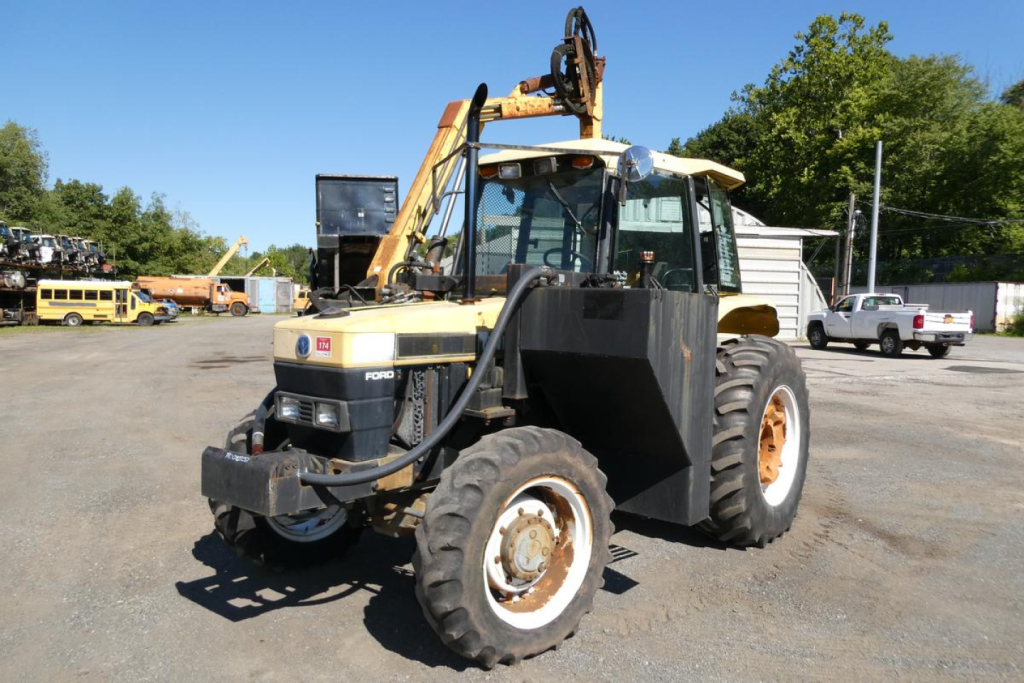
Have ford agriculture - tractors trucking equipment to sell? List it here to reach thousands of buyers.
About Ford Agriculture - Tractors
One of the first buying decisions is horsepower and drivetrain. Many Ford tractors in this class fall into the roughly 35 to 85 horsepower range, with configurations that can include 2WD or 4WD, naturally aspirated or turbocharged diesel engines, and 8-speed or 12-speed transmissions. For loader work, mowing on uneven ground, or wet property, 4WD has a clear advantage in traction and control. PTO horsepower matters just as much as engine horsepower if the tractor will spend most of its time on a rotary cutter, flail mower, sickle mower, or hay equipment. Tire setup, ballast, and rear axle condition also matter, especially on tractors that have been used with side mowers or other offset attachments that add side load and hydraulic demand.
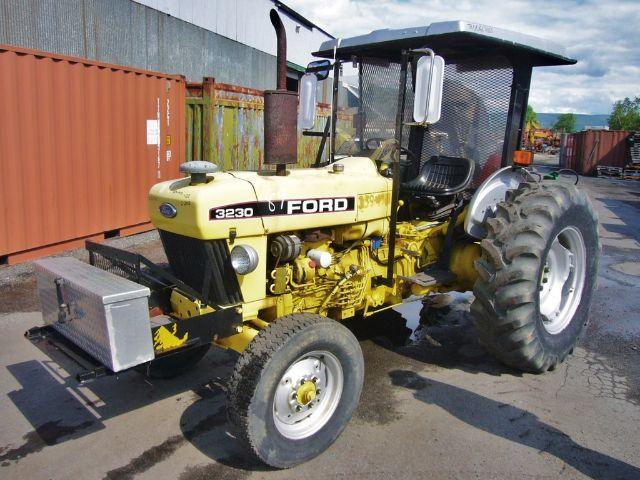
Hydraulics, hitch condition, and operator station details deserve close attention on a used Ford farm tractor. Buyers should inspect lift capacity at the 3-point, remote hydraulic function, PTO engagement, front axle wear, steering play, and brake performance. On enclosed ROPS units, check cab glass, seals, HVAC operation, and control layout. On open-station tractors, confirm ROPS integrity and overall platform condition. If a tractor is being sold with an implement, it helps to verify pump setup, hydraulic routing, PTO driveline condition, and whether the attachment matches the tractor's weight and power. Ford tractors used for municipal or roadside mowing may carry specialized boom mowers or flail systems, which can increase versatility but also place more importance on hydraulic health and chassis stability.
Ford tractors appeal to buyers who want a proven agricultural platform without unnecessary complexity. They are commonly used for pasture maintenance, mowing, light tillage, snow work, feed handling, and property upkeep. A well-matched Ford tractor should be sized around the actual implement load, terrain, transport width, and serviceability requirements, not just the advertised engine rating. Buyers comparing listings should pay close attention to hours, tire condition, transmission type, PTO operation, 3-point hitch wear, and any added equipment that changes the tractor's real working value.
Frequently Asked Questions
What horsepower range is common for Ford agriculture tractors?
Ford agriculture tractors often show up in utility and mid-size configurations ranging from about 35 to 85 horsepower, although exact output depends on model and engine setup. That range covers many common farm and property tasks, including mowing, light tillage, loader work, and hay handling. Buyers should compare both engine horsepower and PTO horsepower, because PTO output is the more useful number when matching the tractor to mowers, cutters, and other driven implements.
Is 4WD worth paying more for on a Ford farm tractor?
4WD is usually worth the premium if the tractor will be used for loader work, mowing on slopes, muddy ground, or year-round utility work. It improves traction, reduces wheel slip, and helps maintain steering control under load. On flatter, drier ground with lighter drawbar or PTO work, a 2WD Ford tractor can still be a cost-effective option, especially for buyers focused on simple maintenance and lower upfront cost.
What should I inspect first on a used Ford tractor?
Start with engine cold-start behavior, transmission engagement, PTO operation, hydraulic lift performance, steering response, brake function, and front axle condition. Then check tire wear, ballast setup, 3-point hitch wear, fluid leaks, and hour meter consistency with overall machine condition. If the tractor includes a mower or other attachment, inspect driveline components, hydraulic hoses, pump setup, and mounting points to confirm the tractor has been properly equipped for that application.
Are older Ford tractors still practical for farm and municipal work?
Yes, older Ford tractors remain practical because they are generally simple, durable, and supported by a broad aftermarket for service parts and wear items. Many operators value them for basic field work, roadside mowing, pasture maintenance, and acreage management where electronic complexity is not necessary. The key is condition, prior use, and whether the tractor's horsepower, hydraulics, and weight match the intended job.
What implements are commonly used with Ford agriculture tractors?
Common implements include rotary cutters, flail mowers, sickle mowers, box blades, rear blades, tillage tools, post hole diggers, and hay equipment, along with loaders on compatible models. Most buyers look for a functional rear PTO and solid 3-point hitch performance because those features determine how useful the tractor will be across multiple tasks. Hydraulic remotes and proper ballast become more important when running heavier or offset implements.