
Case Agriculture - Tractors For Sale
Browse Case agriculture tractors for sale, including utility and farm tractor models with PTO, 3-point hitch, loader options, and 2WD or 4WD.
Learn more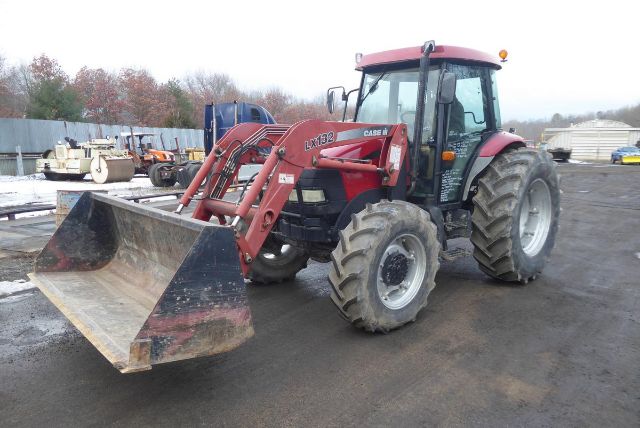
Have case agriculture - tractors trucking equipment to sell? List it here to reach thousands of buyers.
About Case Agriculture - Tractors
A good starting point is the job the tractor will do most often. For loader work, feeding, and chore duty, pay close attention to front axle condition, steering response, clutch engagement or shuttle operation, and hydraulic performance under load. For haying, mowing, and PTO-driven implements, confirm PTO speed, horsepower at the shaft, and 3-point hitch lift capacity. Common configurations in this class include diesel engines, mechanical or partially synchronized transmissions, 2WD or 4WD layouts, rear remotes, and enclosed or open operator stations. On used Case tractors, tire size and remaining tread, brake feel, loader pin wear, and signs of hydraulic seepage around cylinders and valves can tell you a lot about how the machine was used.
Case tractors are also known for straightforward mechanical layouts on many older models, which appeals to owners who prefer serviceable equipment without excessive electronics. Utility models often show up with front-end loaders, quick-attach buckets, power steering, and agricultural tires sized for row-crop or mixed terrain work. If road travel, yard access, or barn clearance matters, check overall height, width, wheelbase, and turning radius along with cab condition and visibility. Hours matter, but maintenance history matters more. A tractor with documented fluid changes, tight steering, dry engine and hydraulic components, and a strong cold start is usually a better buy than one with lower hours and deferred service.
For buyers comparing Case tractors for sale, the key is matching the machine to the implement set already on hand. Verify drawbar needs, remote hydraulic requirements, ballast setup, and hitch category before making a decision. If the tractor includes a loader, inspect bucket edge wear, pivot points, lift capacity, and the ease of attachment removal if field work is part of the plan. A well-matched Case agricultural tractor can serve as a dependable all-around machine for livestock, hay, acreage, and light field production work.
Frequently Asked Questions
What should I check first when buying a used Case agriculture tractor?
Start with the engine, transmission, hydraulics, and front axle. A strong cold start, clean throttle response, steady hydraulic function, and smooth clutch or gear engagement are more important than cosmetics. On a Case farm tractor, buyers should also inspect PTO operation, 3-point hitch lift, steering play, brake response, tire condition, and any loader mount or pin wear if the unit has been used for material handling.
Are Case tractors good for loader work and general farm chores?
Yes. Many Case utility tractors are commonly used for loader work, feeding, lifting pallets, moving round bales, and daily acreage chores. The best setup for that kind of work usually includes 4WD, power steering, adequate rear ballast, and enough hydraulic flow to keep cycle times reasonable. Buyers should confirm the loader model, bucket type, cylinder condition, and front axle integrity because chore tractors often accumulate wear in those areas before the engine becomes a concern.
How much horsepower do I need in a Case agricultural tractor?
Horsepower depends on the implements and terrain. Smaller acreage and light chore work may fit well in the lower horsepower utility range, while hay equipment, heavier mowing, tillage, or larger PTO implements call for more engine and PTO output. Buyers should match tractor horsepower not just to the implement width, but also to hydraulic demand, lift capacity, and traction. A 4WD tractor with the right ballast can often do more practical work than a higher-horsepower 2WD unit in poor ground conditions.
Is 2WD or 4WD better on a used Case farm tractor?
4WD is usually the better choice for loader work, muddy yards, sloped ground, and operations that need better traction with heavy implements. It also improves stability and reduces front-end push when carrying loads in a bucket. A 2WD Case tractor can still be a cost-effective option for lighter field work, mowing, or operations on firmer ground, but buyers should be realistic about traction limits and the effect on productivity in wet conditions.
Do older Case tractors have advantages over newer models?
Older Case tractors often appeal to buyers who want simpler mechanical systems, easier field service, and lower acquisition cost. Many are well suited to farms that value straightforward maintenance and proven drivetrains. Newer models may offer better operator comfort, improved hydraulics, more refined transmissions, and updated safety features. The better choice depends on how the tractor will be used, how much downtime can be tolerated, and whether the buyer prefers simplicity or newer features.