
John Deere Agriculture - Tractors For Sale
Browse John Deere agriculture tractors for sale, including utility and row-crop models with diesel power, PTO options, hydraulic capability, and cab choices.
Learn more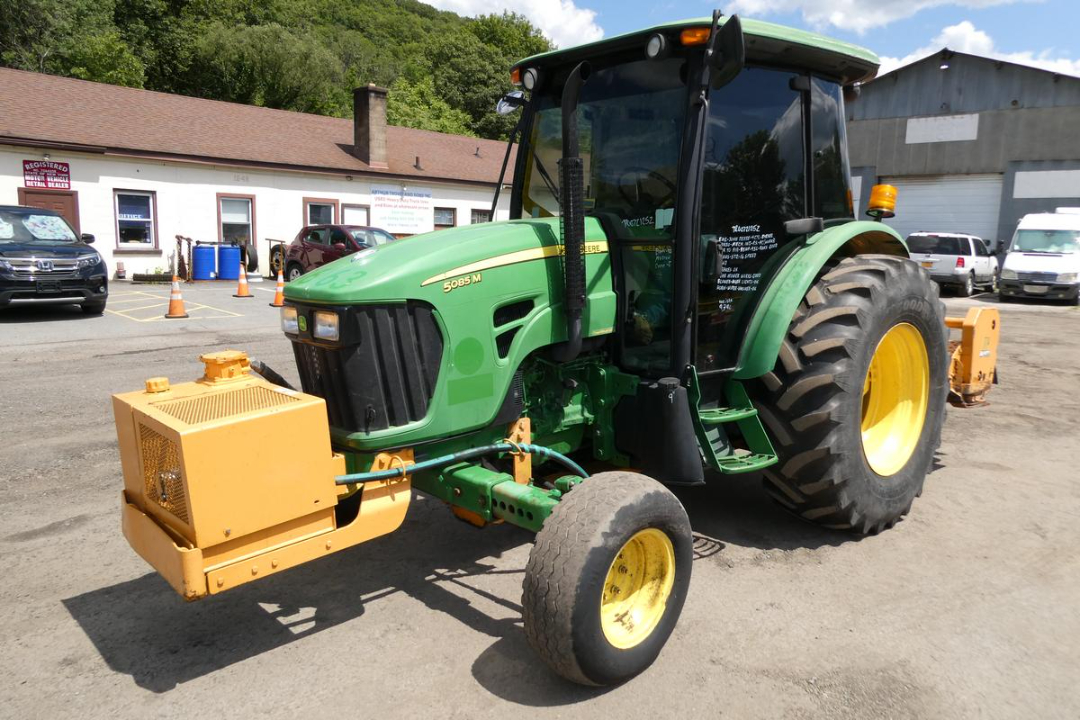
Have john deere agriculture - tractors trucking equipment to sell? List it here to reach thousands of buyers.
About John Deere Agriculture - Tractors
A practical starting point is matching engine and PTO horsepower to the implements you plan to run. Many John Deere tractors in the utility range use 4-cylinder diesel engines and offer live or independent PTO setups for rotary cutters, flail mowers, finish mowers, augers, sprayers, and hay tools. Transmission choice also affects day-to-day usability. Buyers comparing used units should pay attention to gear count, shuttle function, and road speed if the tractor will move between fields or work sites. Two-wheel drive models can be cost-effective for mowing and lighter field work on firm ground, while MFWD or 4WD tractors bring better traction, loader performance, and stability in soft conditions.
Hydraulics, hitch configuration, and operator station details are just as important as raw horsepower. Check the hydraulic pump capacity, number of rear remotes, three-point hitch category, and lift capacity if you plan to run hydraulic-driven attachments or heavier rear implements. A tractor with an enclosed cab, air conditioning, and good visibility adds real value for mowing, municipal work, and long operating days in heat or dust. Tire type and sizing should also fit the application. Ag tires, industrial tires, and turf-oriented setups each change traction, flotation, and ground disturbance. On used John Deere tractors, hour meter reading, cold-start behavior, steering response, PTO engagement, hydraulic function, brake feel, and evidence of regular service usually tell more than appearance alone.
For buyers comparing John Deere tractors across years and series, the biggest value question is usually versatility. A well-matched tractor can serve as a mower tractor, hay tractor, chore tractor, and loader platform with minimal compromise. Look closely at service access, emissions generation, attachment history, and whether the machine has been used in municipal, farm, or roadside maintenance work, since those duty cycles wear equipment differently. If you need a dependable agriculture tractor that can also cross into commercial support roles, John Deere remains a strong category to evaluate because the brand spans compact utility units up through larger row-crop platforms with consistent control layouts and widely recognized resale strength.
Frequently Asked Questions
What should I look at first when buying a used John Deere agriculture tractor?
Start with horsepower, PTO horsepower, hydraulic capacity, and drivetrain configuration because those factors determine what the tractor can actually run. After that, review hour meter reading, maintenance records, cold-start performance, transmission operation, three-point hitch function, PTO engagement, and any signs of hydraulic leaks or front axle wear. On a used tractor, the condition of the tires, steering components, brakes, and cab systems can also add significant ownership cost after purchase.
Are 2WD John Deere tractors still a good buy?
Yes, a 2WD John Deere tractor can still be a good fit for mowing, spraying, light tillage, hay work on firm ground, and general farm support where traction demands are moderate. They are often simpler and lower cost than MFWD models. The tradeoff is reduced traction in wet fields, less loader performance, and less confidence on uneven or soft terrain. Buyers who expect frequent loader work or year-round use in mixed ground conditions usually prefer MFWD.
How important is PTO horsepower on an agriculture tractor?
PTO horsepower is critical because many implements are rated by the power delivered at the PTO shaft, not just engine horsepower. Rotary cutters, flail mowers, balers, augers, and other powered attachments need enough PTO output to perform properly without overloading the tractor. A machine that looks adequate on engine rating alone can still be undersized for the implement if PTO horsepower is too low. Matching the implement requirement to the tractor's PTO rating helps avoid poor performance and driveline strain.
What features matter most if the tractor will be used for mowing or roadside maintenance?
For mowing and roadside work, buyers usually prioritize an enclosed cab or enclosed ROPS, working air conditioning, good visibility, dependable PTO function, adequate hydraulic flow, and stable tire sizing for the terrain. Transmission ease matters because frequent speed changes and transport moves are common in this type of work. If the tractor will carry or operate side mowers, boom mowers, or flail equipment, confirm remote hydraulic setup, front pump arrangements if applicable, and overall cooling system condition.
Do John Deere tractors generally hold their resale value?
John Deere tractors typically hold resale value well because the brand has strong market recognition, broad dealer support, and steady demand in agriculture, landscaping, and municipal sectors. Value still depends heavily on hours, maintenance history, emissions tier, tire condition, cab condition, and attachment compatibility. Clean, well-kept tractors with documented service and common horsepower ranges usually attract the strongest buyer interest.