
Komatsu Lifts - Fork For Sale
Shop Komatsu fork lifts for sale. Compare LP gas forklift specs, lift capacity, mast height, tire type, and warehouse-ready configurations.
Learn more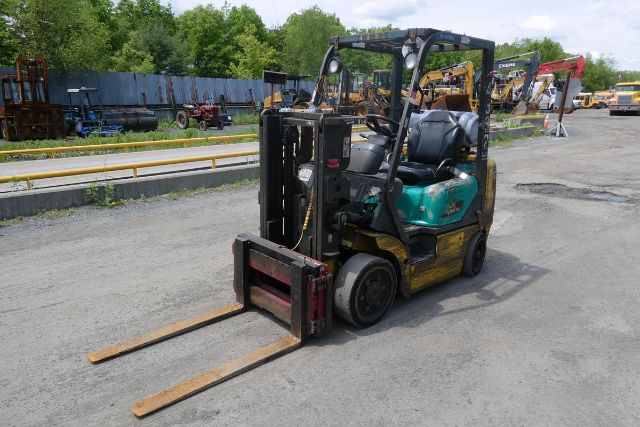
Have komatsu lifts - fork trucking equipment to sell? List it here to reach thousands of buyers.
About Komatsu Lifts - Fork
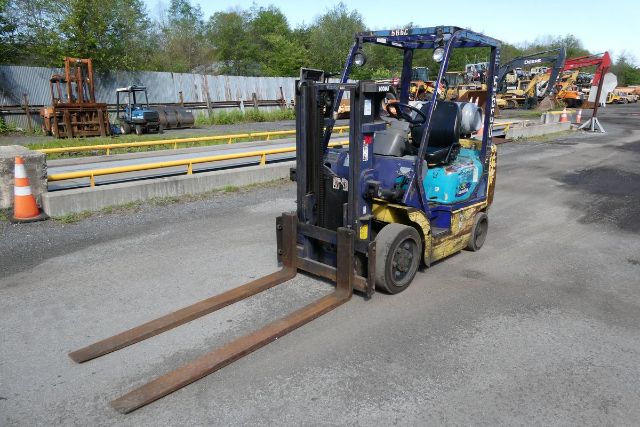
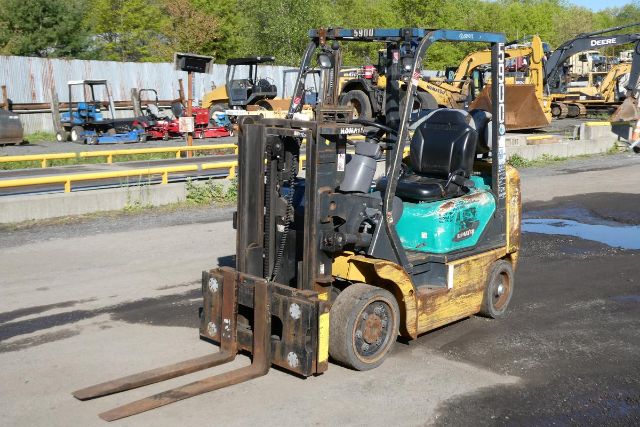
A buyer should start with capacity, mast configuration, and overall dimensions. Many Komatsu fork trucks in this range use a dual-stage mast and sit around 7 feet in overall length without forks, roughly 3.5 feet wide, and under 7 feet tall to the top of the overhead guard. That matters if the truck will operate inside trailers, under dock doors, or through warehouse openings with limited clearance. Lift height, collapsed mast height, fork length, carriage class, and tilt angle all affect how well the unit will handle your specific pallets or racks. A 4,000 lb rating is common, but actual usable capacity changes with load center, attachment weight, and lift height, so buyers should confirm the data plate rather than relying on the headline number alone.
Powertrain and operating environment are just as important. Many Komatsu units in this segment use Nissan industrial engines with propane fuel systems and automatic transmissions, a setup that remains popular because LP gas refueling is quick and indoor-outdoor operation is practical in properly ventilated facilities. Cushion-tire configurations are typically favored on smooth concrete floors, while pneumatic tires are the better fit for rougher yards, broken pavement, or mixed-surface use. On older used units, hour meter reading is only part of the picture. Buyers should also evaluate mast wear, chain stretch, hydraulic cylinder seepage, steer axle play, transmission engagement, brake response, and cold-start behavior. A clean-running engine and dry hydraulics usually tell you more than cosmetics.
Attachment compatibility can change the value of a fork truck quickly. Standard forks may be enough for general freight, but some operations need side shifters, fork positioners, carton clamps, or longer forks for oversized pallets. Open ROPS and overhead guard designs are common on this class, and visibility through the mast channels matters when operators are stacking in tight aisles or working around trailers. For fleet buyers, parts support, tire availability, and shared components across similar Komatsu models can simplify maintenance planning. The best Komatsu fork lift for sale is usually the one matched to your true load profile, aisle width, floor conditions, and daily duty cycle, not just the lowest-hour unit on the page.
Frequently Asked Questions
What is a common lift capacity for a Komatsu fork truck in this class?
A common capacity in this category is 4,000 lbs, which fits many palletized freight and warehouse handling jobs. Capacity must be verified on the forklift data plate because the real lifting limit changes with the load center, mast height, and any attachment installed. Longer forks, clamps, or side shifters can reduce usable capacity even when the base truck is rated for 4,000 lbs.
Is a propane Komatsu forklift a good fit for indoor use?
A propane-powered Komatsu forklift is often a strong fit for indoor-outdoor operations because refueling is fast and the trucks deliver consistent run time for medium to heavy daily use. Indoor use still depends on proper ventilation, emissions compliance, and the specific facility environment. For operations with strict air-quality requirements or very confined spaces, buyers may also compare electric forklifts, but LP gas remains common in shipping, manufacturing, and dock work.
What should I inspect first on a used Komatsu forklift?
Start with the mast, lift chains, hydraulic cylinders, carriage, forks, steer axle, and transmission engagement. Check for chain stretch, fork heel wear, mast roller play, hydraulic leaks, and uneven lifting under load. Then review engine starting, idle quality, brake performance, tilt function, and tire condition. The hour meter helps frame usage, but service history, overall tightness, and how the truck behaves under operation are usually better indicators of remaining value.
How do I choose the right mast height and fork length?
Match the mast and forks to your tallest storage position, trailer work, and pallet dimensions. The collapsed mast height must clear doorways and trailer openings, while the maximum lift height must safely reach the top rack level with enough free lift if you operate in low-clearance areas. Fork length should support the load without creating excess overhang or reducing maneuverability. Many general freight applications use standard fork lengths, but longer forks may be needed for deep or oversized pallets.
What is the difference between cushion tires and pneumatic tires on a fork lift?
Cushion tires are best for smooth indoor surfaces such as warehouse concrete because they offer a tighter turning radius and lower overall ride height. Pneumatic tires are better for outdoor yards, rough pavement, gravel, or uneven loading areas because they provide more ground clearance and a softer ride. The tire type should match the work surface because it affects stability, traction, operator comfort, and maintenance costs.