
Hyundai Lifts - Fork For Sale
Shop Hyundai fork lifts and forklift equipment with diesel or LPG power, strong lift capacities, mast options, and warehouse or yard-ready specs.
Learn more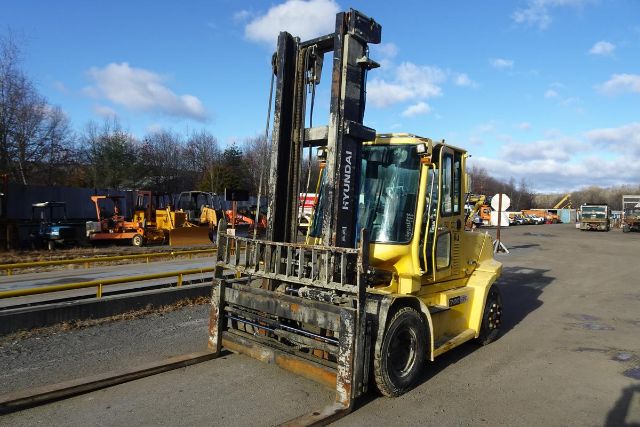
Have hyundai lifts - fork trucking equipment to sell? List it here to reach thousands of buyers.
About Hyundai Lifts - Fork
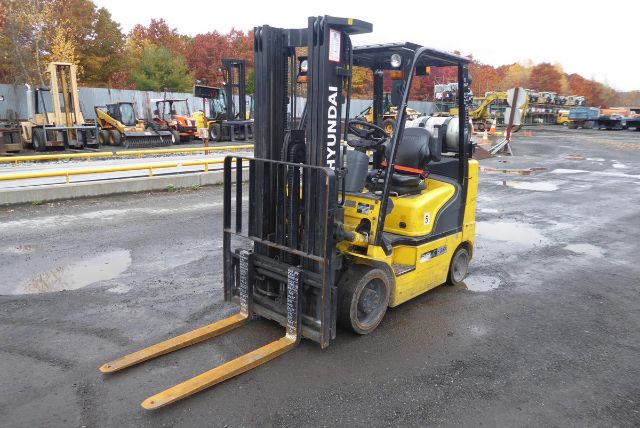
A buyer should start with the core fit points: rated capacity, load center, mast type, and operating environment. Smaller Hyundai fork trucks often use triple mast setups for higher lift reach in tighter footprints, while larger diesel units may use duplex or heavy-duty mast arrangements for stability and visibility with bulky loads. Side shift is one of the most valuable options in this class because it speeds up pallet placement and reduces repositioning. Fork positioners are also worth attention on higher-capacity machines or mixed-load applications where operators handle different pallet widths, crated material, or long product through the day.
Powertrain and tire choice matter as much as capacity. LPG Hyundai forklifts are common indoors or in mixed-use facilities where clean operation and quick refueling are important. Diesel Hyundai fork lifts are better suited to outdoor yards, pipe and steel handling, and heavier-duty cycles where torque and runtime matter. Cushion tires are usually preferred on smooth warehouse floors, while pneumatic tires are the better match for gravel, broken pavement, and uneven outdoor surfaces. Buyers comparing used units should pay close attention to hour meter readings, mast wear, chain condition, hydraulic leaks, steer axle play, brake response, and the condition of the forks, carriage, and lift cylinders.
Cab configuration, overall width, overhead height, and fork length should match the site where the machine will work. Enclosed cabs can make a real difference for outdoor operators in cold or wet climates, especially on larger diesel forklifts working long shifts. Buyers should also verify maximum lift height, collapsed mast height, truck weight, and turning radius before committing, since these numbers affect trailer loading, doorway clearance, rack access, and floor loading. Hyundai forklifts have a solid reputation in the used market for delivering practical lift truck capability without unnecessary complexity, which is exactly what many fleets, warehouses, and owner-operators want from a fork truck.
Frequently Asked Questions
What should I look for first when buying a used Hyundai fork lift?
Start with rated lift capacity, mast type, maximum lift height, and the surface the forklift will run on. Those four factors determine whether the machine fits the job before you look at brand, year, or price. After that, inspect hours, fork wear, mast rollers, lift chains, carriage play, hydraulic cylinder condition, transmission response, brakes, steer axle movement, and tire type. A forklift with the right specs but visible mast or hydraulic wear can become expensive quickly.
Are Hyundai forklifts better in diesel or LPG for most operations?
It depends on where and how the unit will be used. LPG Hyundai forklifts are usually the better fit for indoor facilities, mixed indoor-outdoor work, and operations that want fast refueling with lower exhaust concerns than diesel. Diesel Hyundai forklifts are generally the stronger choice for outdoor applications, heavier loads, rougher surfaces, and longer duty cycles where torque and sustained performance are important. The work environment should decide the fuel type, not just purchase price.
What is the difference between a duplex mast and a triple mast on a Hyundai fork truck?
A duplex mast has two stages and is commonly chosen for simplicity, visibility, and solid performance in applications that do not need the highest lift reach. A triple mast has three stages and allows greater lift height while keeping the collapsed height lower for building entry or clearance. Triple masts are useful in warehouses with taller racking, but buyers should still confirm the collapsed mast height and free lift because those measurements affect indoor usability as much as maximum lift height.
Do side shift and fork positioners really matter on a forklift?
Yes, especially in operations that handle pallets all day or switch between different load sizes. Side shift lets the operator move the carriage left or right without repositioning the entire truck, which saves time and reduces small alignment errors at racks or trailers. Fork positioners are even more valuable in variable-load environments because they allow fast adjustment to different pallet widths from the seat. Both options can improve productivity and reduce operator fatigue.
How do I choose between cushion tires and pneumatic tires on a Hyundai forklift?
Cushion tires are designed for smooth, hard indoor surfaces and are common in warehouses with tight aisles and level floors. They typically offer a tighter turning radius and lower overall ride height. Pneumatic tires are better for outdoor yards, rough pavement, gravel, and uneven terrain because they provide better shock absorption and traction. Choosing the wrong tire type can hurt operator comfort, stability, and overall productivity, so tire selection should match the surface conditions as closely as possible.