
Hyster Lifts - Fork For Sale
Browse Hyster fork lifts for material handling, warehouse, yard, and industrial use with electric, diesel, and LPG options.
Learn more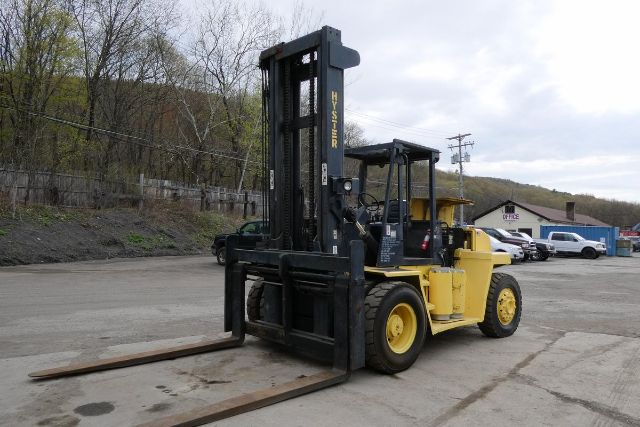
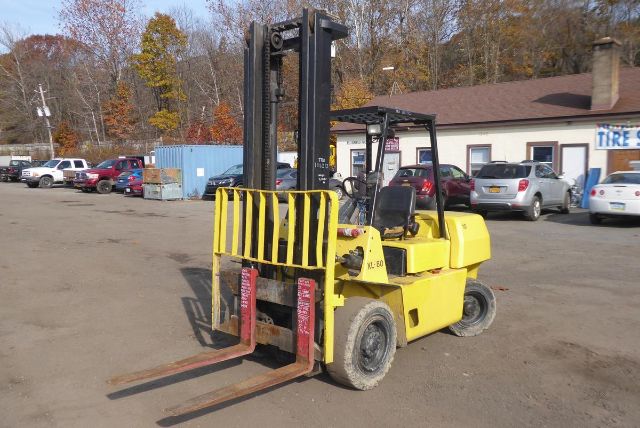
Have hyster lifts - fork trucking equipment to sell? List it here to reach thousands of buyers.
About Hyster Lifts - Fork
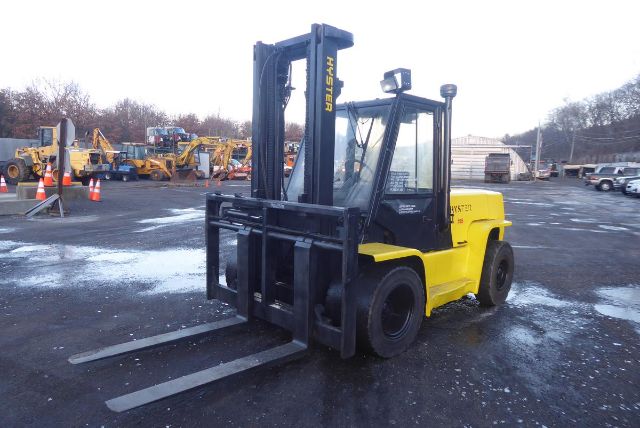
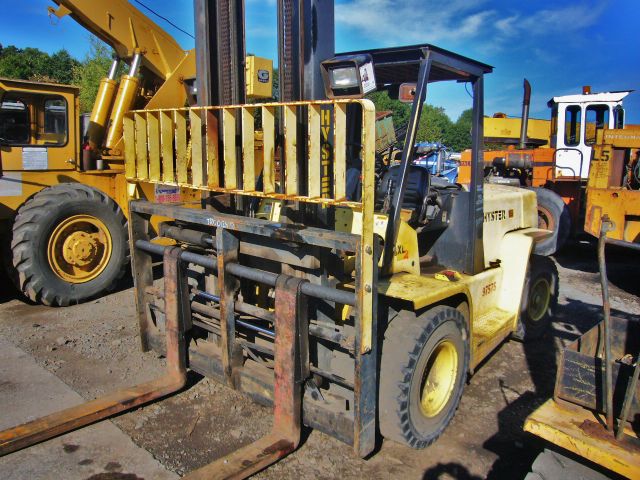
A lot of Hyster forklifts on the used market are known for straightforward serviceability and durable driveline components. Common configurations include electric models for indoor operation, diesel forklifts for heavier outdoor work, and propane units where fast refueling and cleaner operation than diesel are important. Buyers should pay close attention to the data plate, because actual lift capacity changes with mast height, load center, attachment weight, and fork length. A unit fitted with long forks, side shift, or hydraulic fork positioners may be de-rated from its base rating. Mast choice also affects usability. Double mast and triple mast setups influence lowered height, maximum lift height, and visibility.
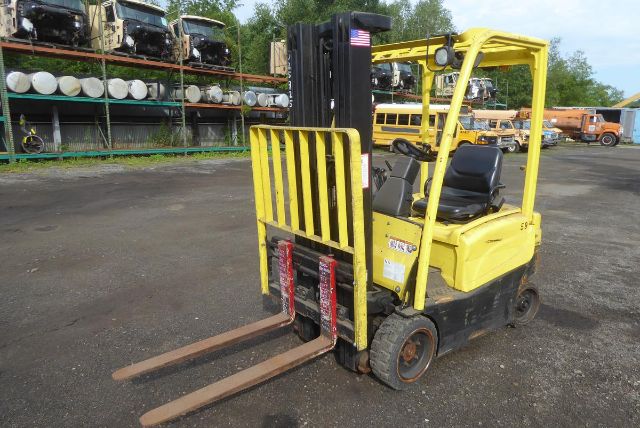
On spec, Hyster lifts can vary widely by application. Smaller warehouse forklifts may run 36V or 48V battery systems, solid tires, and compact wheelbases for dock and pallet handling. Larger Hyster fork trucks often use Perkins diesel engines or LPG power, automatic or Monotrol-type transmissions, and solid or pneumatic tires depending on floor conditions and travel distance. Attachments such as side shift, fork positioners, scuff-resistant solid rubber tires, open ROPS, enclosed operator stations, and charger packages are common details that affect value. For outdoor yards and rougher surfaces, tire condition, brake type, steering response, and mast wear are just as important as the hour meter.
Used Hyster forklifts are often selected by buyers who need a proven industrial truck for freight terminals, lumber yards, steel handling, manufacturing plants, warehouses, and agricultural operations. The smart inspection points are mast channels and rollers, carriage wear, lift and tilt cylinder leakage, chain condition, steer axle play, transmission engagement, and braking consistency under load. On electric units, battery age, amp-hour rating, charger compatibility, and runtime matter as much as hours. On internal combustion trucks, engine cold start behavior, smoke, hydraulic response, and tire wear usually tell the real story. A properly matched Hyster fork lift can deliver strong productivity, but only if the capacity rating, lift height, and operating environment are aligned with the work.
Frequently Asked Questions
What should I look at first when comparing Hyster forklifts?
Start with rated capacity, load center, mast type, and power source. Those four items determine whether the forklift matches the job. A Hyster lift used indoors on smooth concrete may need cushion tires and electric power, while an outdoor loading yard usually points toward pneumatic tires and diesel or LPG. The data plate is critical because attachments, mast height, and fork length can reduce actual lifting capacity from the base model rating.
Are Hyster diesel, propane, and electric forklifts used for different applications?
Yes. Electric Hyster forklifts are commonly chosen for warehouses, food facilities, and indoor dock work where low emissions, lower noise, and tight maneuvering are important. Propane units are popular in mixed indoor-outdoor service because refueling is quick and performance stays consistent through the shift. Diesel Hyster fork trucks are generally better suited for heavier outdoor duty, longer travel distances, and high-capacity applications where torque and durability matter most.
How do mast type and fork length affect a Hyster forklift's performance?
Mast configuration affects both maximum lift height and collapsed height, which matters for door clearance, trailers, and container loading. A triple mast can offer higher lift with a lower collapsed height, but it may trade some visibility and residual capacity. Fork length also changes how the truck handles the load. Longer forks are useful for large pallets, pipe, or bulky freight, but they can reduce true lift capacity and shift the load center forward. That is why the data plate and attachment setup should always be verified together.
Is hours reading enough to judge the condition of a used Hyster fork lift?
No. Hours help, but condition is more important than the meter alone. A lower-hour machine with neglected maintenance can be a worse buy than a higher-hour forklift that has been serviced correctly. Buyers should inspect mast wear, chain stretch, cylinder seals, steer axle play, hydraulic function, brake response, and transmission engagement. On electric trucks, battery condition and charger compatibility can have a larger impact on value than the hour reading itself.
What are common attachments and options on Hyster forklifts?
Common options include side shift, hydraulic fork positioners, different mast stages, open ROPS or enclosed operator stations, solid or pneumatic tires, and battery chargers on electric units. These features can improve productivity, but they also change the truck's effective capacity, service needs, and replacement cost. A side shift can speed up pallet placement, and fork positioners can save time in mixed-load handling, but both add hydraulic complexity and should be tested carefully during inspection.