
Master Craft Lifts - Fork For Sale
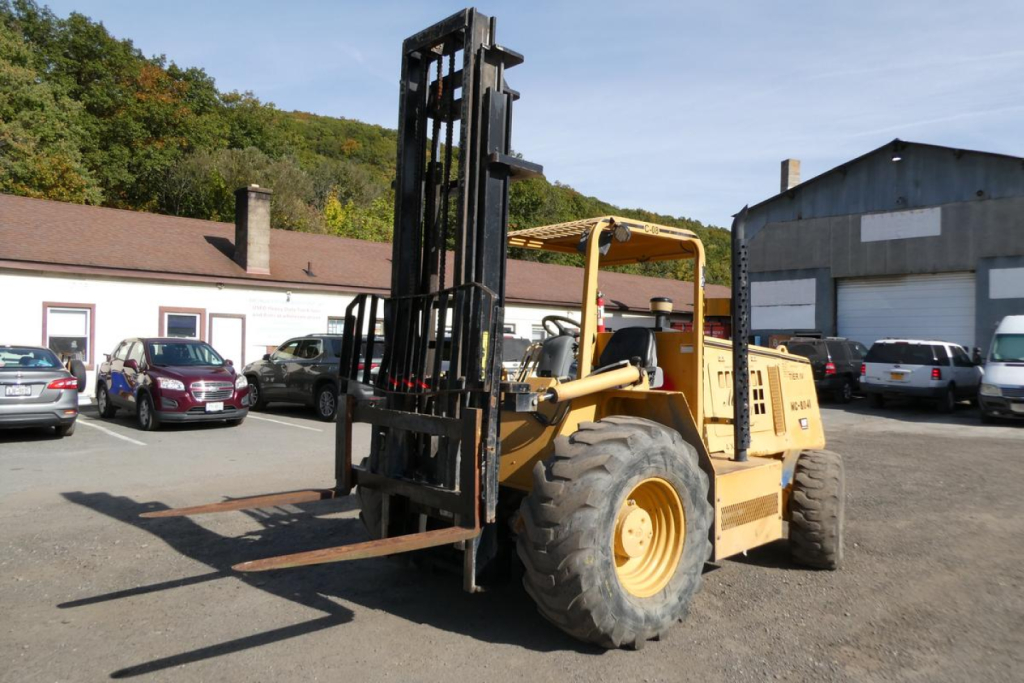
Shop Master Craft fork lifts and rough terrain forklifts with diesel power, 4WD, side shift, and 6,000 to 8,000 lb lift capacity.
Learn more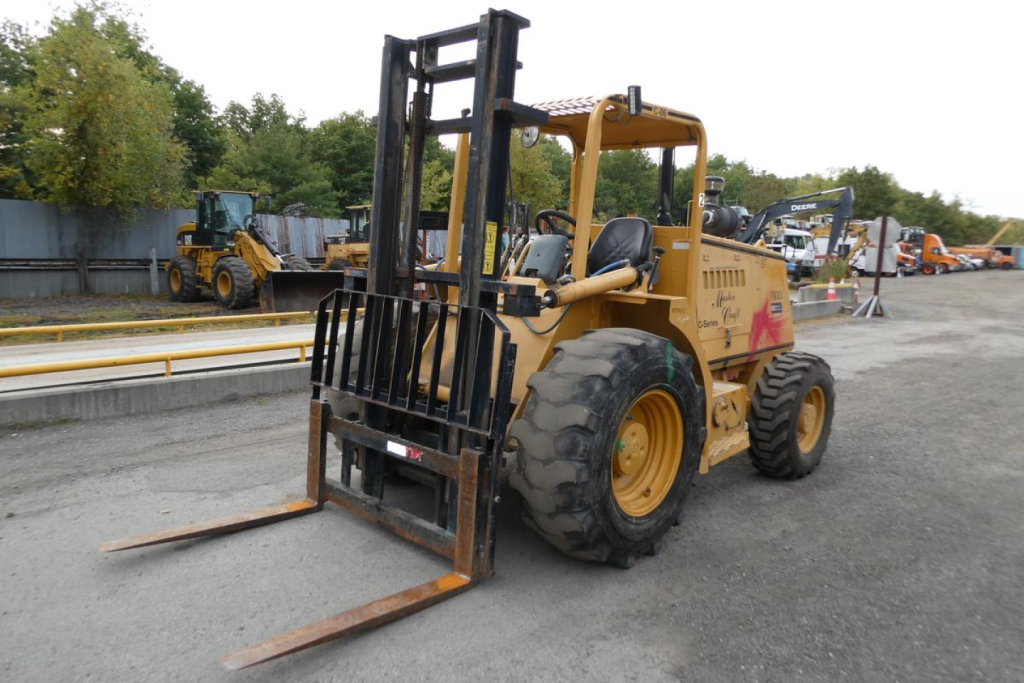
Have master craft lifts - fork trucking equipment to sell? List it here to reach thousands of buyers.
About Master Craft Lifts - Fork
In this class, common capacities often fall around 6,000 to 8,000 pounds, which suits many construction and industrial material handling tasks. Diesel engines are common, including Caterpillar power in many units, paired with powershift transmissions for controlled low-speed work and repeated forward-reverse cycles. Mast setup matters. A dual mast may be suitable for lower stacking and truck loading, while a tri-mast gives more vertical reach in a compact lowered height. Side shift is a valuable feature on a fork lift of this type because it speeds up pallet alignment and reduces repositioning. Backtilt, fork length, and carriage condition also deserve close attention, especially if the machine will handle heavier or irregular loads.
On used Master Craft lifts, condition checks should focus on the basics that affect uptime and safety. Inspect mast channels, chains, rollers, pins, and bushings for wear, and look closely at hydraulic cylinders for leaks or pitting. Tire type and tread condition matter more on rough terrain models than many buyers expect, because traction and stability change quickly on soft ground or slopes. Confirm hour meter reading, steering response, brake function, 4WD engagement, and how cleanly the transmission shifts under load. An open cab can be fine for seasonal or yard use, but some operations may prefer weather protection depending on region and operator hours.
Dimensions are just as important as capacity. Overall width, cab height, mast height, and length without forks affect trailer transport, storage, and clearance around buildings or stacked inventory. Loading height should match the trailers, flatbeds, or rack systems the machine will service every day. A well-matched rough terrain fork lift can reduce handling time, improve site efficiency, and keep material moving in places where a conventional warehouse forklift would struggle. For buyers looking at Master Craft fork lifts for sale, the best choice is usually the one with the right balance of lift rating, reach, terrain capability, and mechanical condition for the actual work environment.
Frequently Asked Questions
What is the difference between a rough terrain fork lift and a standard warehouse forklift?
A rough terrain fork lift is built for outdoor use on uneven ground, while a standard warehouse forklift is designed mainly for smooth concrete floors. Rough terrain models usually have 4WD, larger pneumatic tires, more ground clearance, and a heavier chassis for stability in dirt, gravel, and jobsite conditions. They are better suited for lumber yards, construction sites, and outdoor material staging, but they are generally larger and less maneuverable indoors.
What lift capacity is most common for Master Craft fork lifts?
In this equipment class, 6,000 lb and 8,000 lb capacities are common and cover a wide range of material handling jobs. The right capacity depends on the actual load weight, load center, fork length, and lift height. Buyers should leave a safety margin rather than choosing a machine rated just at the expected load, because capacity can decrease as lift height increases or when handling long, bulky material.
Why does mast type matter on a used fork lift?
Mast type affects both maximum lift height and collapsed height for transport or building clearance. A dual mast is simpler and can work well for lower stacking and routine loading. A tri-mast allows greater lift height while keeping the machine lower when retracted, which helps when moving through doors or under low structures. On any used machine, mast wear, chain condition, roller play, and cylinder performance are more important than the label alone.
What should I inspect first on a used rough terrain fork lift?
Start with the items that directly affect safety and repair cost: mast structure, lift chains, hydraulic cylinders, steering, brakes, transmission operation, and tire condition. Then inspect pins and bushings for play, check 4WD function, and test side shift if equipped. Engine condition, hour meter credibility, and signs of hard jobsite use also matter. A machine that starts easily, shifts cleanly, lifts smoothly, and shows dry hydraulics is usually a stronger candidate than one with cosmetic appeal alone.