
Caterpillar Lifts - Fork For Sale
Shop Caterpillar fork lifts and fork trucking equipment with common specs, lift capacities, fuel types, mast options, and buyer tips.
Learn more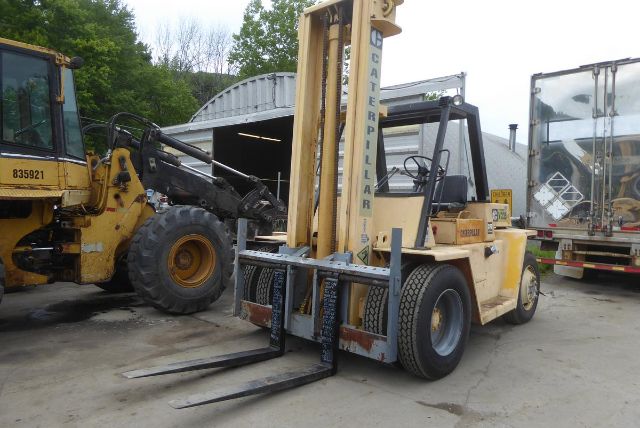
Have caterpillar lifts - fork trucking equipment to sell? List it here to reach thousands of buyers.
About Caterpillar Lifts - Fork
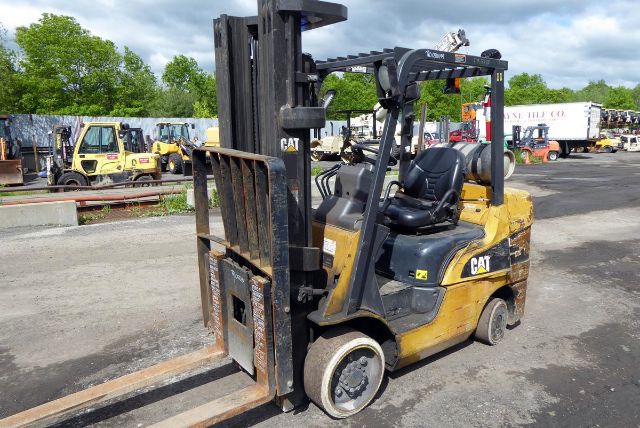
Capacity, mast configuration, and fuel type are usually the first three decisions. Many Caterpillar forklifts in the used market fall into the 5,000 to 7,000 lb class, but larger machines can step well beyond that for steel, pipe, machinery, and industrial applications. Mast setup matters because a triple-stage mast gives higher lift height with a lower collapsed height, which helps in trailers, warehouses, and tighter indoor clearance situations. Side shift, fork position, back tilt, and carriage width all affect day-to-day productivity more than many buyers expect, especially if the truck will handle mixed pallet sizes or frequent trailer loading.
Powertrain choice should match the work environment. Propane units are common for mixed indoor and outdoor operation because they refuel quickly and usually offer cleaner operation than older diesel forklifts. Diesel Caterpillar forklifts are often preferred for heavy outdoor use, longer run times, and higher-capacity applications. Tire type is just as important. Cushion tires are best suited to smooth warehouse floors, while pneumatic or solid pneumatic tires are better for gravel, broken pavement, lumber yards, and uneven surfaces. Buyers should also pay attention to overall width, mast height, overhead guard height, turning radius, and fork length to make sure the truck fits the aisles, docks, trailers, and load dimensions it will actually see.
When comparing Caterpillar fork trucks for sale, inspect hydraulic cylinder condition, mast wear, chain stretch, steer axle play, transmission engagement, and brake response. Hour meter readings help, but service history, cold-start behavior, and visible leak points often tell you more about remaining life. On larger older units, tire cost, mast repair, and brake work can change the total ownership picture quickly. A well-matched Caterpillar forklift can be a productive asset for loading trucks, staging freight, feeding production lines, or handling bulk materials, provided the lift capacity and attachment setup are sized for the real job rather than the occasional peak load.
Frequently Asked Questions
What lift capacity should I look for in a Caterpillar forklift?
The right lift capacity depends on the actual load weight, load center, fork length, and lift height. Many buyers start with a 5,000 to 6,500 lb class truck for pallets and general freight, but that rating can drop when loads are longer, taller, or handled at greater heights. If the application involves machinery, pipe, steel, or oversized crates, a larger-capacity Caterpillar forklift may be necessary. It is important to match the truck to the heaviest routine load, not just the average pallet.
Is a propane or diesel Caterpillar fork truck better?
Propane is often the better fit for mixed indoor and outdoor work because refueling is fast and emissions are generally more manageable in ventilated buildings. Diesel is usually preferred for outdoor yards, heavy lifting, and longer-duty cycles where torque and run time matter most. The best choice comes down to operating environment, local emissions requirements, fuel availability, and the weight class of the work.
Why does mast type matter on a used forklift?
Mast type affects both maximum lift height and the lowered height of the forklift. A triple-stage mast is valuable when the truck needs to reach high storage or trailer interiors while still clearing door openings and low roofs when lowered. Buyers should also inspect mast rollers, lift chains, and cylinder condition because mast repairs can be expensive and directly affect safe operation.
What should I inspect first on a used Caterpillar forklift?
Start with the mast, hydraulics, transmission engagement, brakes, steering response, and tire condition. Check for leaking cylinders, worn chains, sloppy steering, hard shifting, and uneven tire wear. On propane units, verify the fuel system condition and regulator operation. On diesel units, pay attention to cold starts, smoke, and engine response under load. These checks usually reveal more than cosmetic appearance or hour meter readings alone.