
International Chipper Trucks For Sale
International chipper trucks built with arborist bodies, strong floors, corrosion resistance, low tare weight, and reliable chassis for tree work ops.
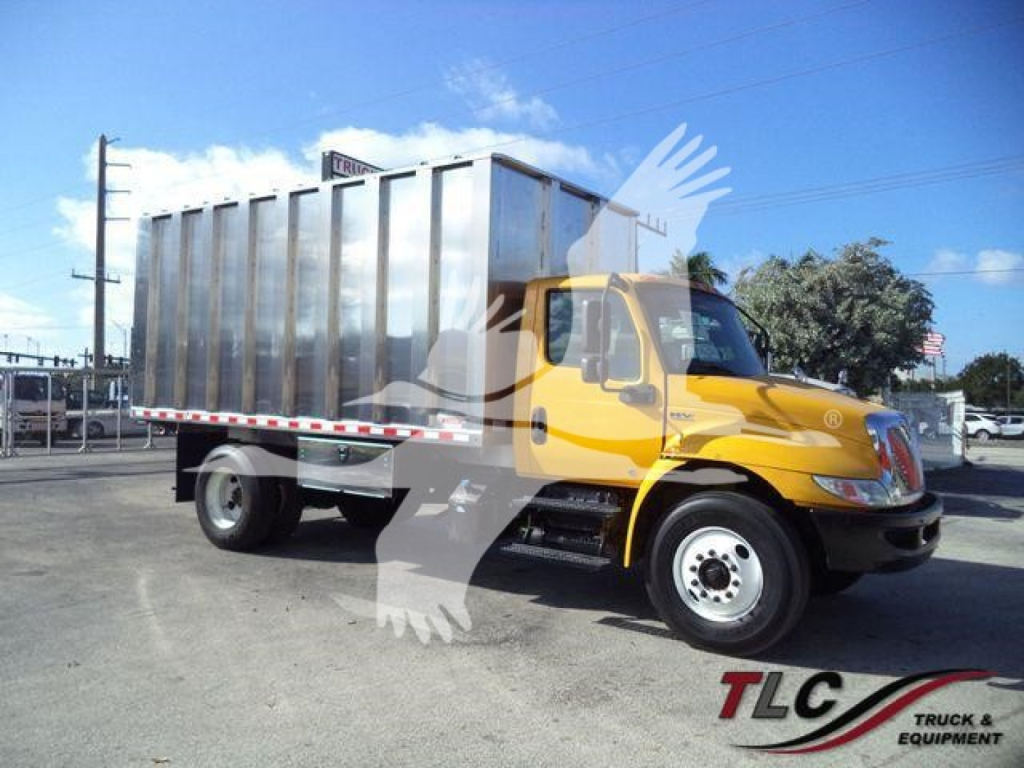
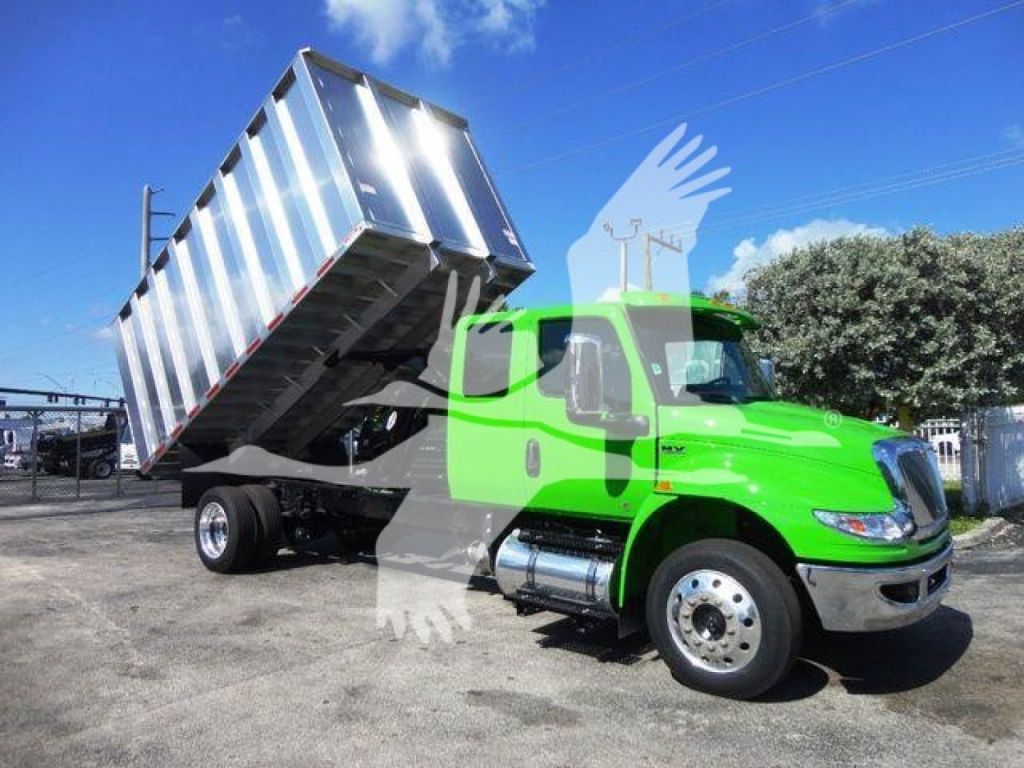
Selling a international chipper truck? List your international chipper truck for sale and reach thousands of commercial buyers.
International Chipper Trucks
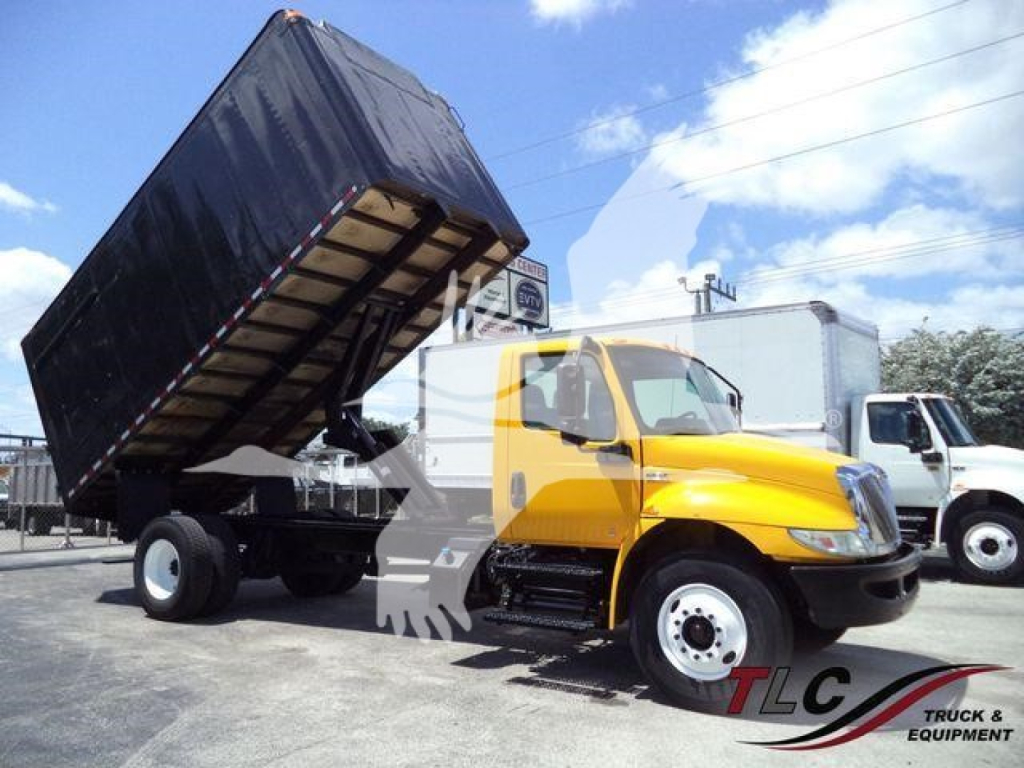
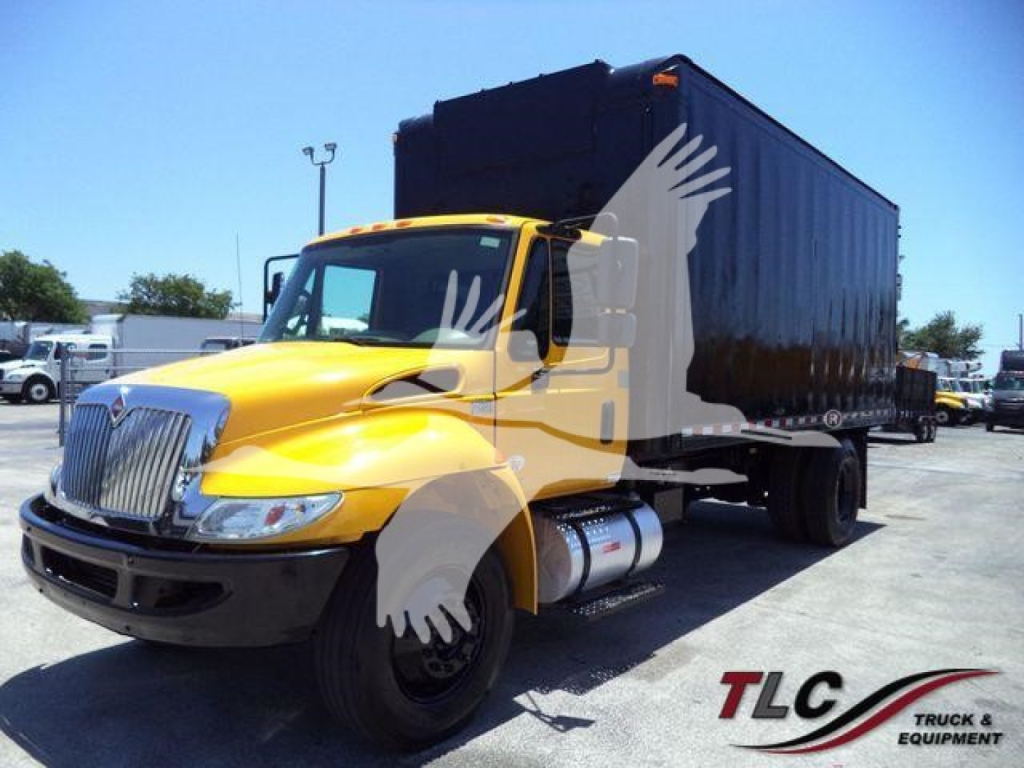
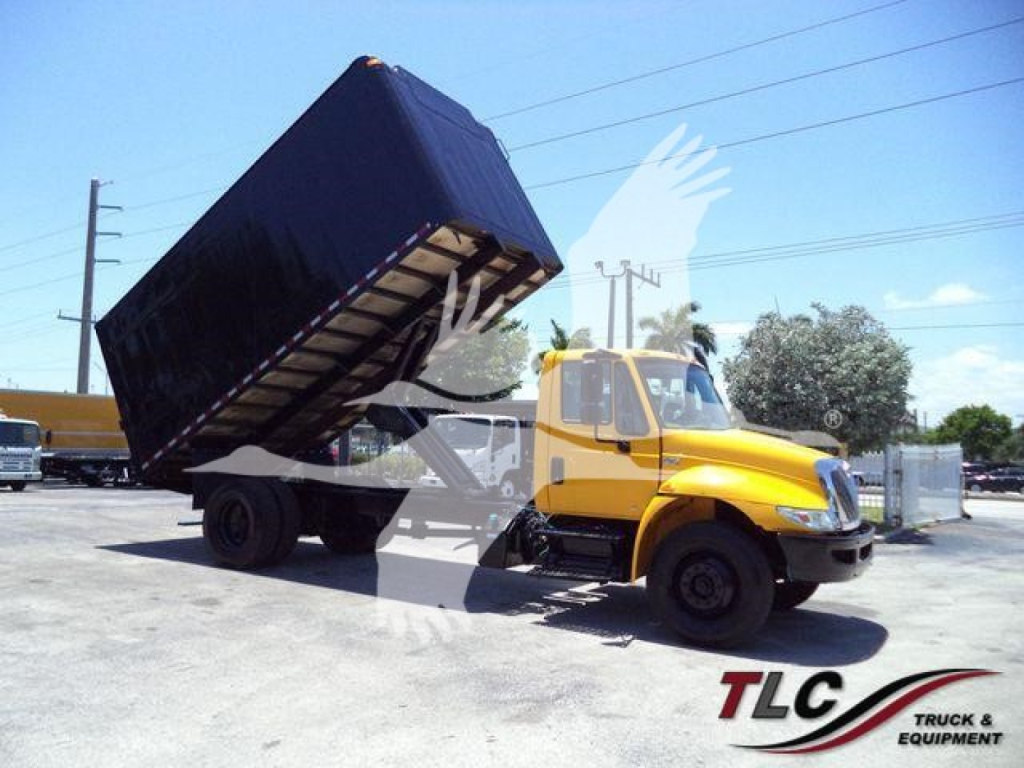
Body construction drives durability and payload. Steel chip boxes in 12 to 20 yard capacities deliver high floor strength with tight crossmember spacing, 10 or 3 16 inch floors, and reinforced butt plates to absorb log impact. Look for 50 to 55 degree dump angles, a heavy scissor or telescopic hoist sized for the body’s heaviest wet chip loads, and double acting barn doors with positive latches. Smooth interior panels shed fines, roof caps and chip curtains control blowback, and curbside clean out doors reduce downtime. Frame mounted tool cabinets, underbody boxes, and ladder or cone racks keep gear secure without shifting weight rearward.
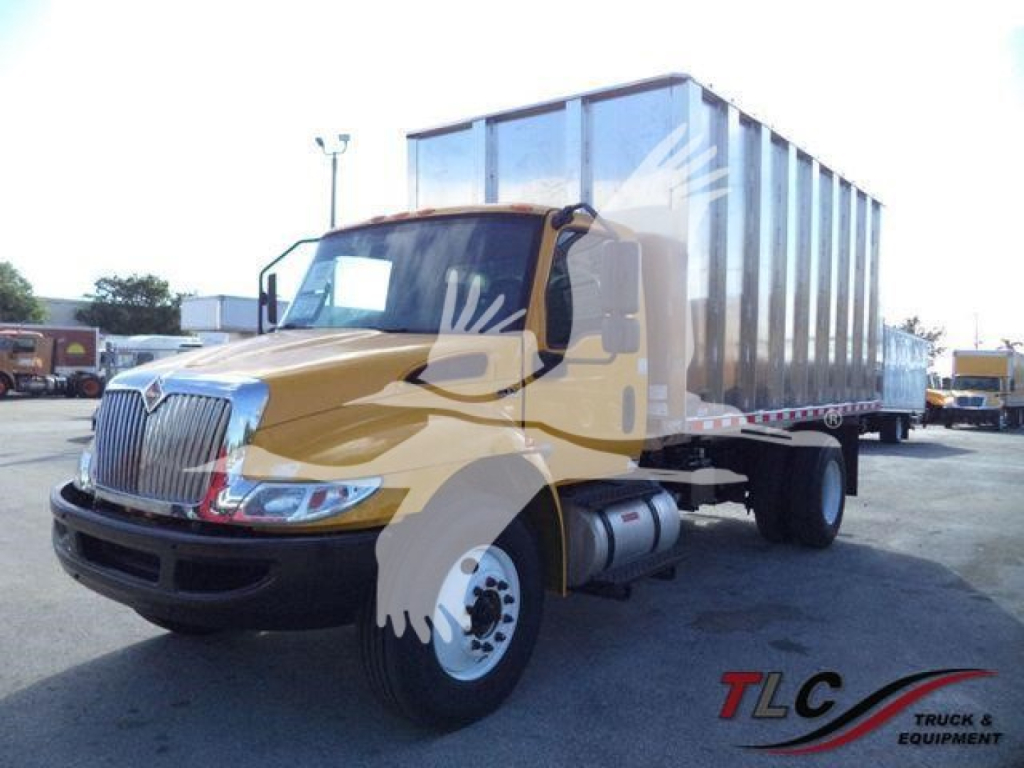
Tare weight and corrosion resistance determine long term cost. Aluminum or hybrid aluminum steel bodies cut several hundred pounds, which increases legal payload and improves braking and fuel use, but require proper wear rails where logs contact the floor. Galvanneal or e coated steel with epoxy primer and powder topcoat resists chips, salt, and sap acids better than single stage paint. Stainless hardware, sealed connectors, and undercoating extend service life, especially in northern climates. Match GVWR and axle ratings to your routes, a 25,999 lb non CDL build fits municipal fleets, larger 33,000 to 40,000 lb trucks carry bigger boxes and tow a chipper on a pintle without overloading the rear axle.
Thermal integrity matters around dry chips. Exhaust routing with a vertical stack behind the cab, heat shields around the DPF SCR, and optional spark arrestors reduce ignition risk. International’s programmable regen strategies, PTO interlocks, and high idle help manage aftertreatment temperatures during stationary chipping. For hydraulic systems, specify adequate oil capacity, a return filter, and a cooler with thermostatic bypass so the hoist and tool circuits maintain pressure without overheating in summer work. A high capacity cooling module, viscous fan, and debris screens keep airflow stable at low speeds, which protects engines, transmissions, and aftertreatment while you load and dump repeatedly.
Frequently Asked Questions about International Chipper Trucks
Which International chassis work best for chipper bodies and what GVWR should I target?
The MV is a strong fit from 21,500 to 33,000 lb GVWR for 12 to 16 yard bodies and regular towing. The HV covers 33,000 to 40,000 lb and up for larger 16 to 20 yard bodies, higher tongue weights, and heavier duty suspensions. Choose front axles in the 10k to 14k range and rears from 21k to 26k for most tree service applications, then set wheelbase to keep proper axle split once the body and hoist are installed.
Steel or aluminum chipper body, which is better for durability and payload?
Steel offers the highest floor strength and impact resistance at a lower upfront cost, ideal if you frequently load logs and wet chips. Aluminum cuts tare weight by several hundred pounds, increases legal payload, and resists corrosion, but it benefits from wear strips or sacrificial plates in high impact zones. Hybrid builds, aluminum sides with a steel floor, balance strength and weight while maintaining good corrosion resistance.
What hoist and dump angle should I look for to clear compacted chips?
Target a hoist sized to at least 1.5 times the fully loaded body weight, with a dump angle of 50 to 55 degrees to break free wet or compacted chips. A heavy scissor lift gives excellent stability on shorter wheelbases, while a front mount telescopic cylinder provides higher angles and faster cycle times on longer frames. Add body props, body up warning, and rear hinge greasable pins to support daily duty cycles.
How do International chipper trucks manage exhaust heat near wood debris?
Spec a vertical stack behind the cab with heat shields around the aftertreatment, and consider a spark arrestor where required. International’s Diamond Logic can inhibit PTO operation during active regen, enable a parked regen only when safe, and elevate idle to stabilize exhaust temperatures. These controls, combined with correct stack routing away from the box and chip doors, protect the load and the body from heat.
What options improve corrosion resistance and reduce maintenance over time?
Galvanneal or e coated frames and crossmembers, epoxy primer with powder topcoat on the body, stainless fasteners, sealed harnesses, and underbody coatings significantly slow corrosion. Aluminum bodies or hybrid constructions reduce rust exposure, and adding front fender flares, debris screens on the cooling stack, and easily washed scuff areas keeps salt and fines from packing against critical components.