
International Chipper Trucks For Sale in Florida
International chipper trucks for tree service in Florida, with strong floors, low tare weight, and corrosion and heat control engineered for uptime.
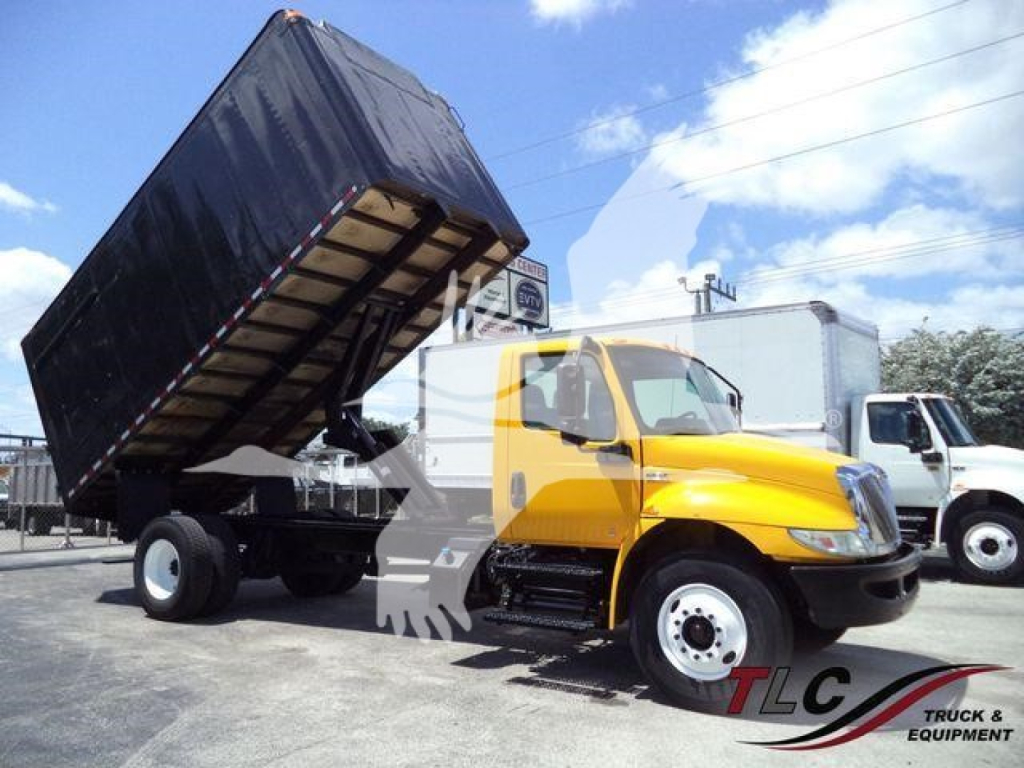
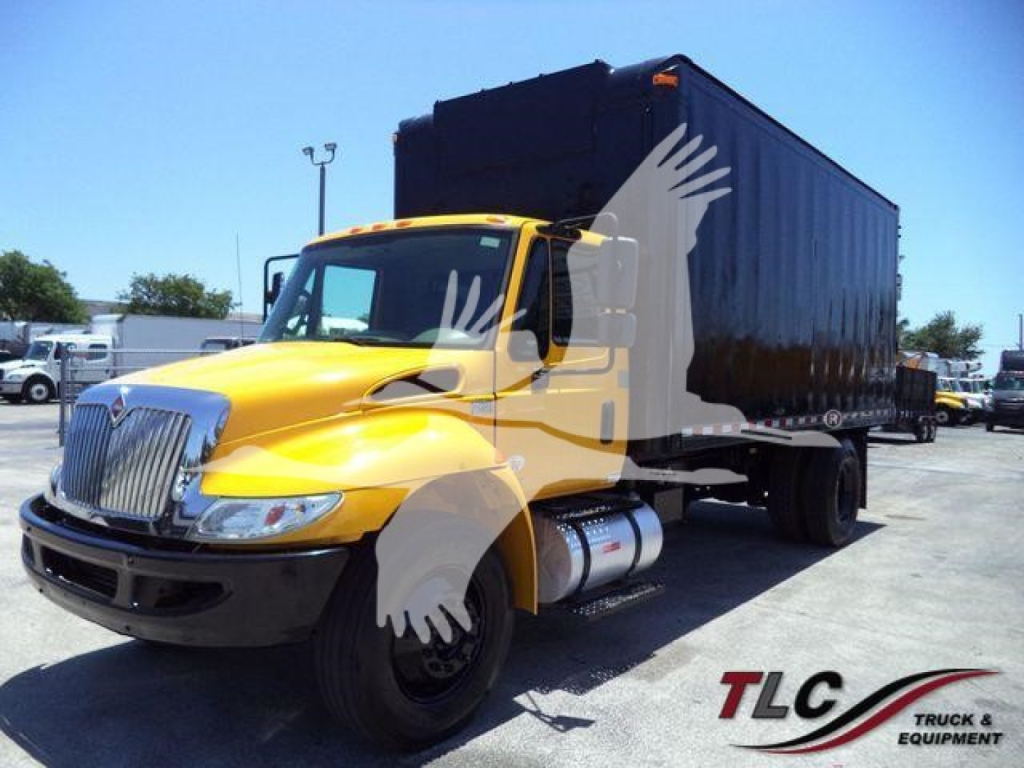
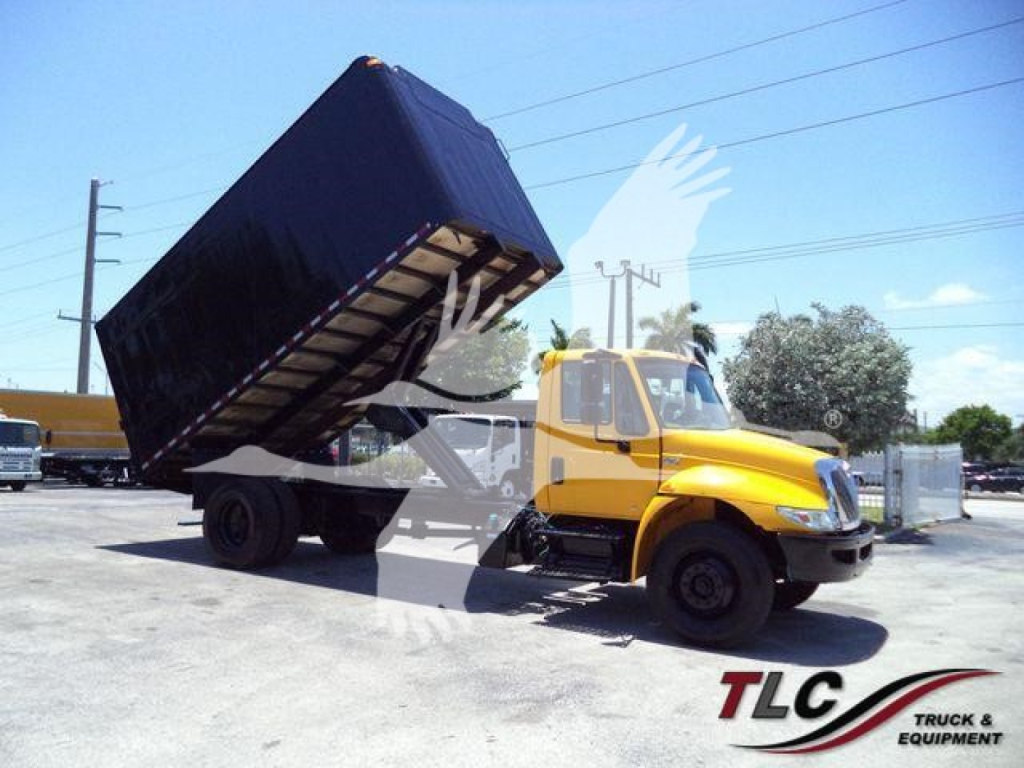
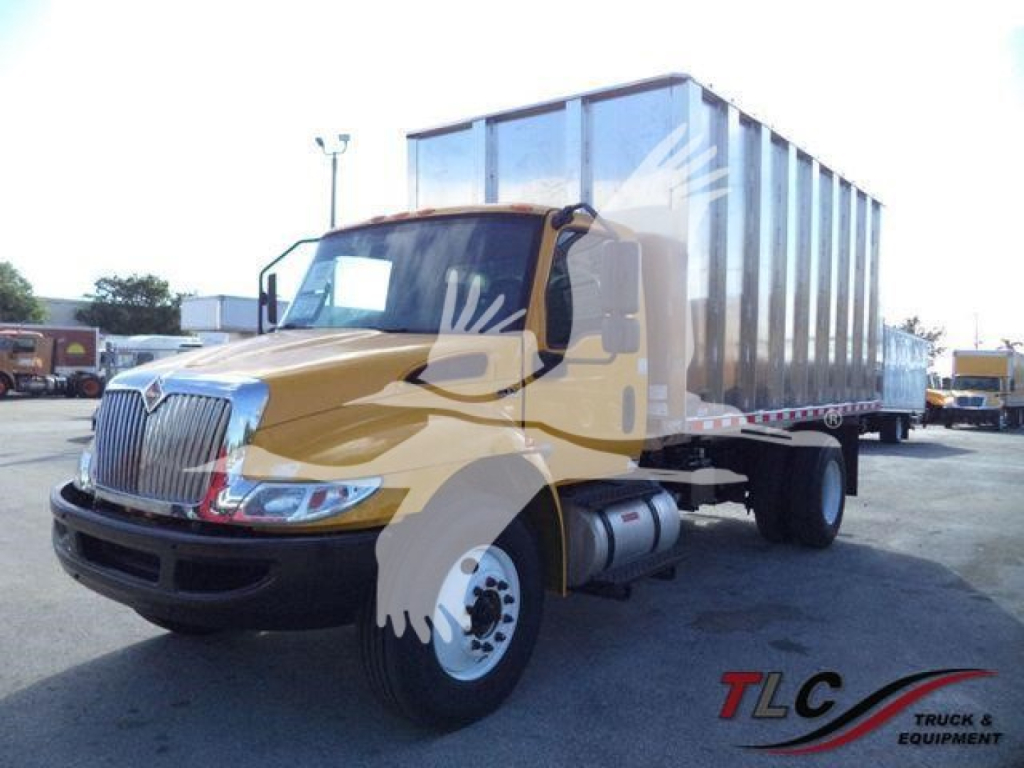
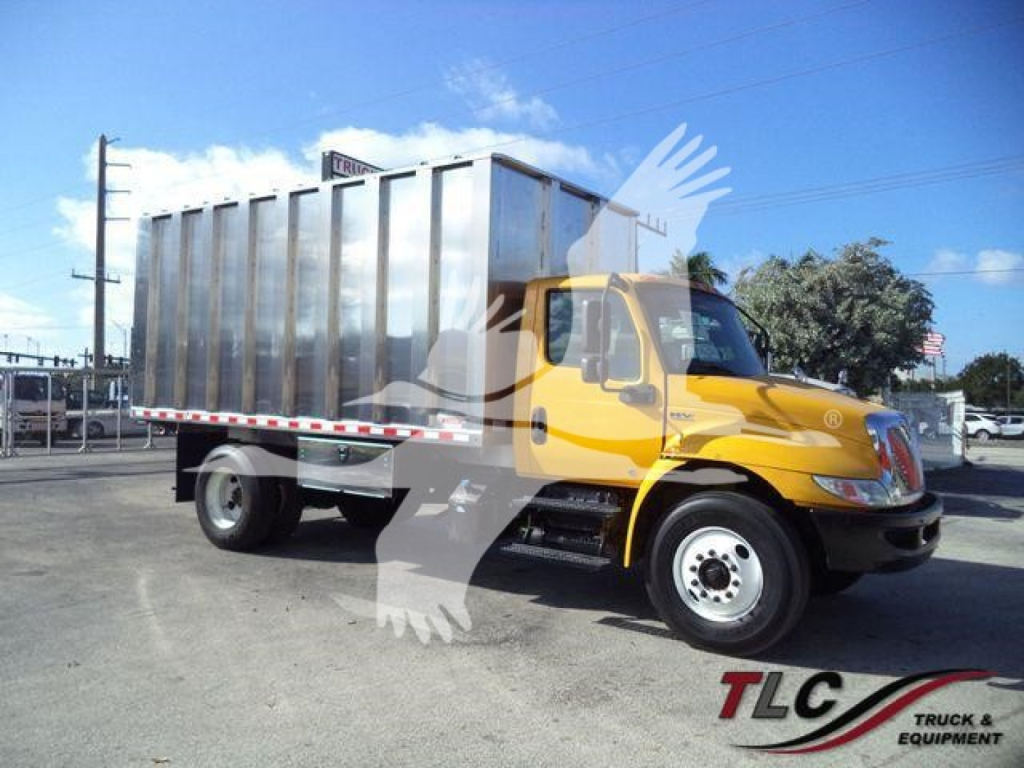
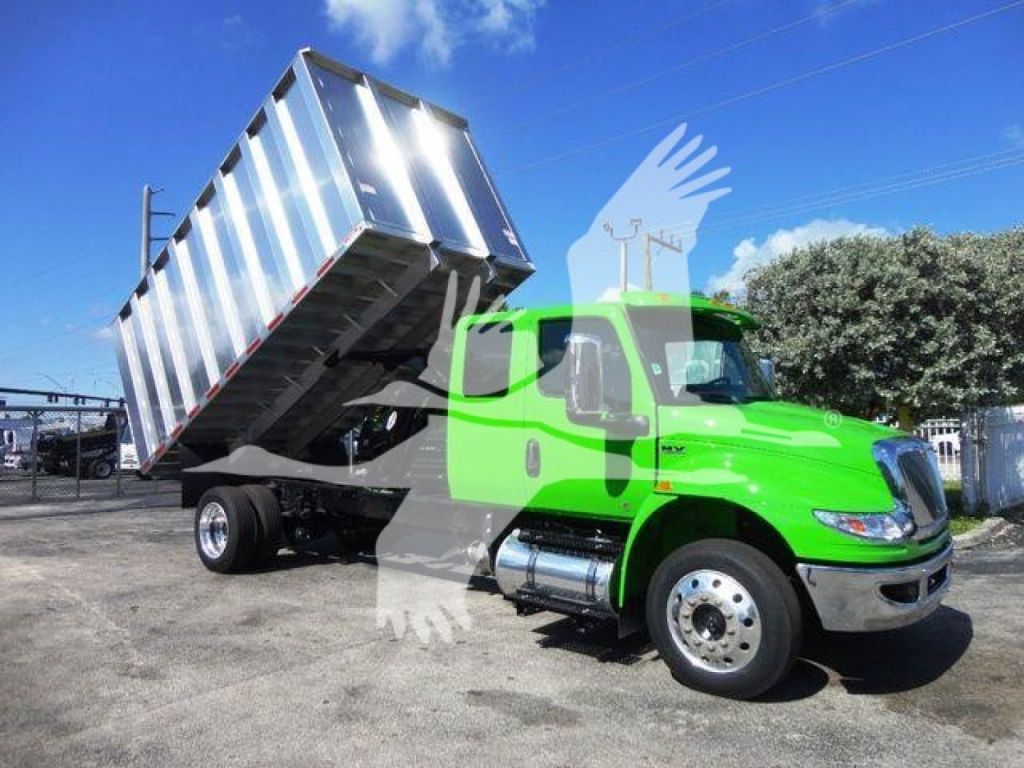
Selling a international chipper truck? List your international chipper truck for sale and reach thousands of commercial buyers.
International Chipper Trucks in Florida
Body material choice sets the tone for tare weight and longevity. High tensile steel is rugged and economical, but it adds weight. Aluminum or FRP composite panel bodies commonly cut 800 to 1,200 pounds versus steel in a 12 to 14 foot build, which raises legal payload and soft ground performance. In Class 6 at 25,999 GVWR, a well spec’d single axle steel chip truck typically carries 6,000 to 9,000 pounds of payload depending on wheelbase and options, aluminum or composite bodies often add another half ton. Class 7 at 33,000 GVWR expands payload and brake capacity, and tandem axles improve stability when hauling heavier stump rounds or when pairing with a loader. Protective coatings matter in Florida, so prioritize epoxy primer, powder coat, sealed seams, and stainless hardware, plus consider aluminum subframes where compatible.
Chassis and hydraulics should be matched to frequent stop and go tree work. International MV and HV platforms accept PTO friendly Allison 2500 or 3000 RDS automatics, with hot shift PTOs to power the hoist and tool hydraulics. Cummins B6.7 and L9 engines are common, geared in the low 4s to high 5s for responsive launches with chip loads. Diamond Logic interlocks can tie PTO and dump to park brake and door sensors for safer operation. Size axles and suspension to your body and tool package, for example 12k front with 21k to 23k rear single, heavier springs, and rear frame reinforcements under the hoist. For consistent dumping, underbody scissor hoists are compact for short wheelbases, telescopic front mount hoists deliver higher dump angles, target 45 to 50 degrees so wet chips clear the box. Thermal integrity in Florida heat benefits from heavy duty engine cooling, transmission coolers, and a hydraulic reservoir with a return line cooler or fan package to keep oil in its operating window.
Corrosion resistance is vital in humid, coastal service. International cabs use e-coat and galvanized components, and bodies that add cavity wax, underbody coating, and sealed harness connectors will resist salt air better. A white gelcoat or bright roof color reduces solar load, screened or vented roof panels limit heat and moisture buildup in chip loads, and UHMW liners help prevent sap adhesion. Specify stainless hinges and hardware, sealed LED lighting, and protected hoist cylinders mounted above the frame. Good drainage paths clear wet chips quickly, and tire pressure monitoring helps protect casings in high ambient temperatures. These details add up to lower tare, higher usable payload, better heat management, and longer service life for International chipper trucks working across Florida.
Frequently Asked Questions about International Chipper Trucks in Florida
What chipper body size works best for residential tree service in Florida?
Most crews running residential routes in Florida prefer 11 to 14 foot bodies in the 9 to 15 cubic yard range, which balance capacity with maneuverability on tight streets and under canopies. Shorter wheelbases turn tighter in neighborhoods, but still allow proper hoist geometry and door clearance. If you frequently remove large stump rounds or run with a loader, a larger 16 foot body or tandem axle chassis increases stability and payload.
How do steel, aluminum, and FRP chip boxes compare for floor strength and tare weight?
High tensile steel offers the most impact resistance per dollar, often with 3/16 inch floors and 10 to 12 gauge sides, but it is the heaviest. Aluminum reduces tare by roughly 800 to 1,200 pounds on a 12 to 14 foot body, which adds payload and helps on soft ground, though floors should be reinforced and protected with UHMW liners to control wear. FRP composite panel bodies split the difference, with good corrosion resistance and weight savings, and they benefit from bright, UV stable skins that run cooler in the sun. In all cases, crossmember spacing, longsill design, and scuff protection are what determine real world floor longevity.
What dump hoist and rear door configuration should I choose for chip loads?
Underbody scissor hoists fit short wheelbases and deliver strong initial lift, while front mount telescopic hoists provide higher dump angles. Target a 45 to 50 degree dump angle so wet chips and palm fronds clear without shoveling. Dual swing barn doors with positive latches are standard for chipping, add metering chains if you occasionally spread mulch. A curbside chipper hood door speeds feeding from the street side, and a vented or screened roof prevents blowback while allowing air to escape during loading.
Which International chassis specs matter most for chipper service and PTO work?
International MV and HV chassis with Allison 2500 or 3000 RDS transmissions and hot shift PTOs are proven for chipper trucks. Cummins B6.7 or L9 engines provide strong low speed torque when geared 4.33 to 5.57. Use Diamond Logic interlocks for safe PTO engagement, and size axles appropriately, for example 12k front and 21k to 23k rear singles, with spring suspensions tuned to keep the body stable while dumping. Choose a wheelbase that clears the body and hoist geometry, and add heavy duty cooling and transmission oil coolers for Florida heat.
How can I improve corrosion resistance and thermal performance for Florida operations?
Start with e-coat cab protection and add epoxy primer, powder coat, cavity wax, and underbody coating on the chip body and subframe. Favor stainless hinges, hardware, and latches, sealed LED lighting, and aluminum wheels. For heat, specify a white or light roof, screened or louvered vents to reduce heat and moisture buildup in chip loads, and UHMW liners to limit sap adhesion. On the hydraulic side, use a larger reservoir, return line or fan coolers, and the correct oil viscosity for high ambient temperatures. Rinse salt and debris from the frame and hoist regularly, and keep drain paths open so wet chips do not sit against metal surfaces.