
2013 International Trucks For Sale
Compare 2013 International trucks, including ProStar, DuraStar, and WorkStar. Understand engine choices, tare weight, corrosion, and body floor or insulation.
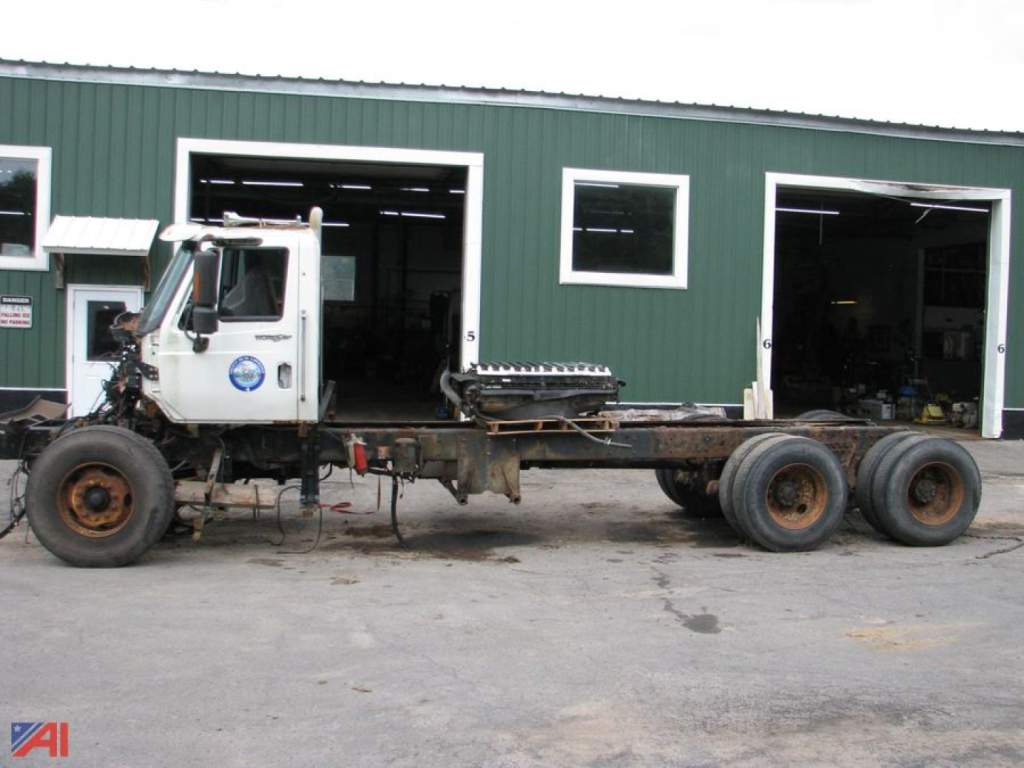
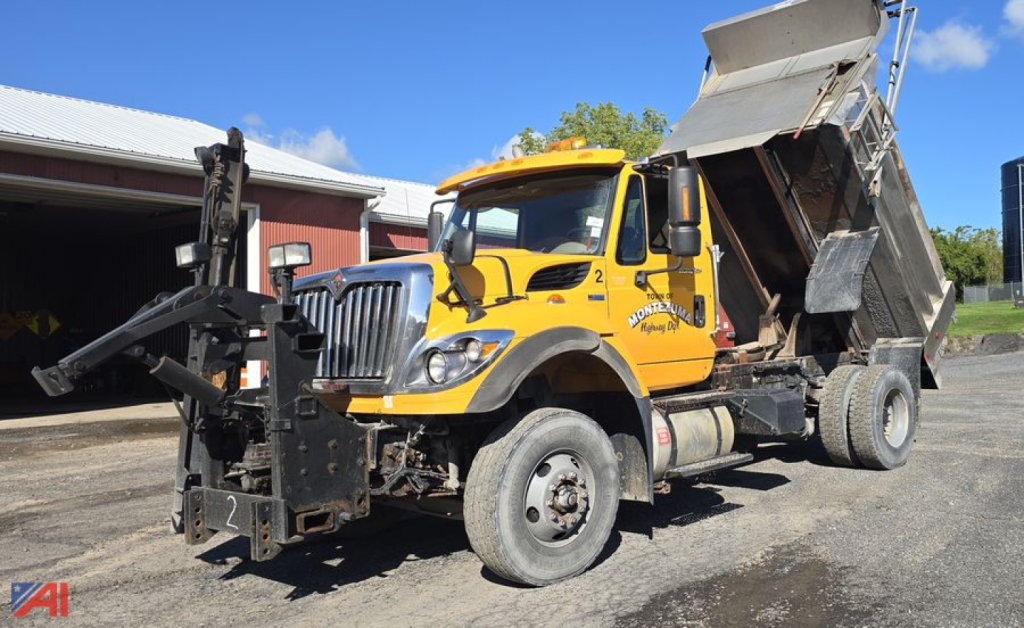
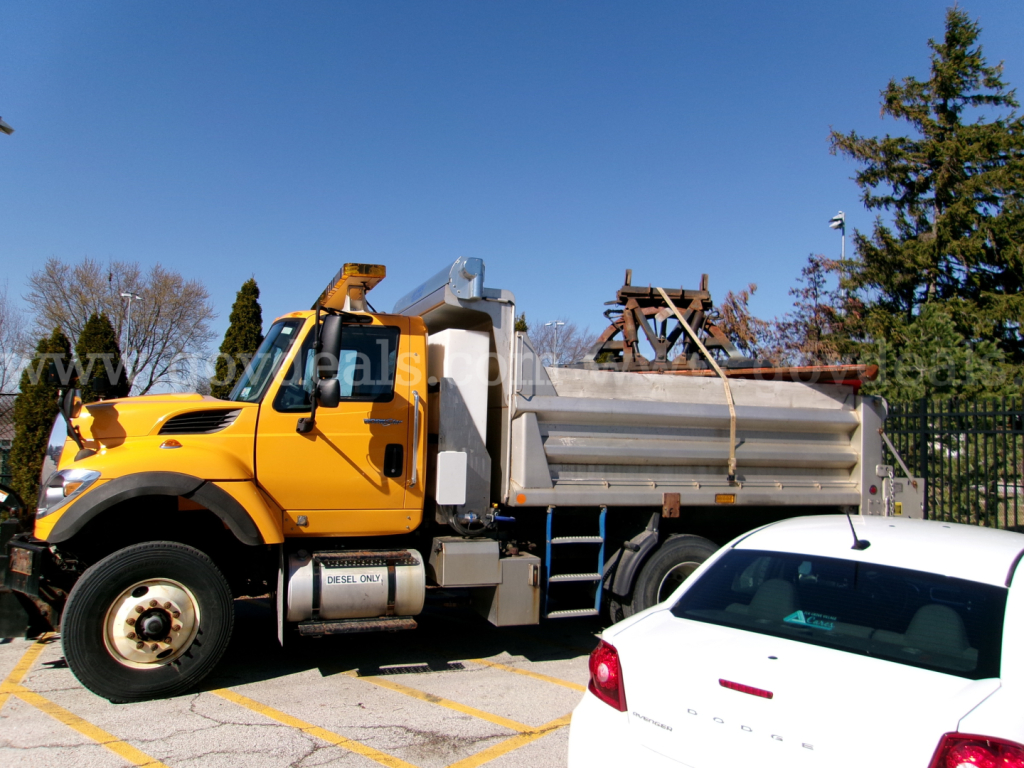
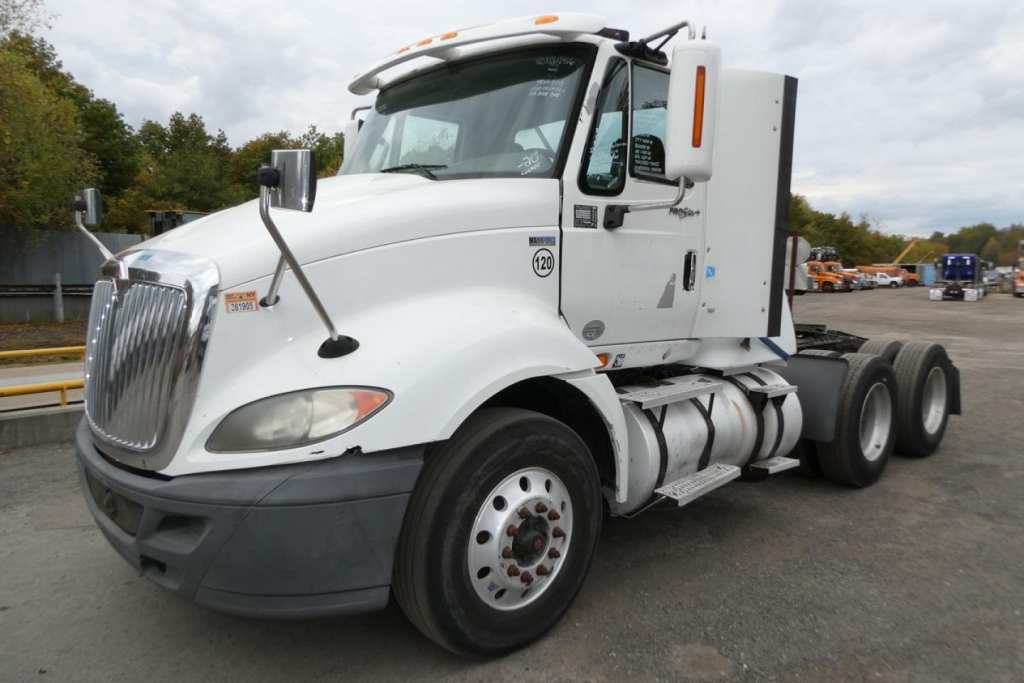
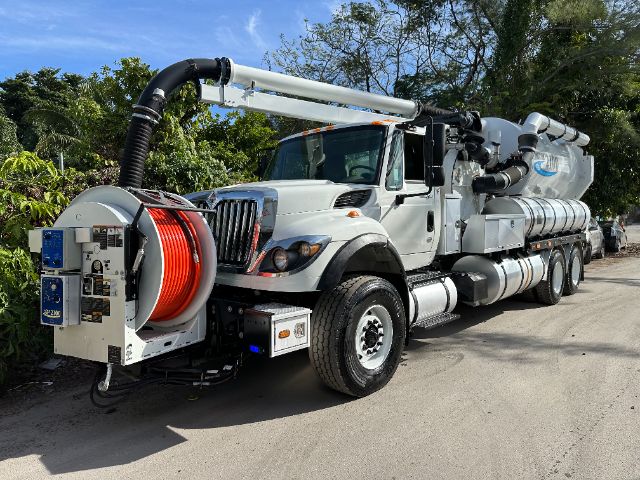
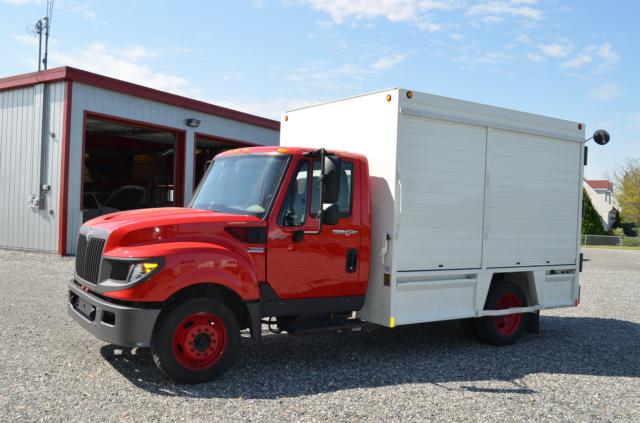
Selling a 2013 international truck? List your 2013 international truck for sale and reach thousands of commercial buyers.
2013 International Trucks
Tare weight and corrosion resistance drive lifecycle cost. ProStar lightweight specs with aluminum wheels, aluminum tanks, 6x2 configurations, and shorter wheelbases can trim several hundred pounds, while full aerodynamics and fairings cut drag for linehaul. Frames are high tensile steel, single frame rails save weight, double channel reinforcements add strength for vocational loads but can trap moisture. Inspect cab corners, battery boxes, crossmembers, aftertreatment hangers, and suspension brackets for scale or rust jacking, and look for intact e-coat or wax coatings. In snow belt units, pay close attention to rear frame ends and fifth wheel angles for flaking or pitting that can migrate into fastener bores.
For DuraStar and WorkStar with van or reefer bodies, floor strength and thermal integrity affect uptime and cargo protection. Hardwood plank or laminated floors with 12 inch crossmember spacing carry heavier point loads than 16 inch spacing, and many bodies show a forklift floor rating on the ID plate, 3,000 to 8,000 pounds is common. Look for aluminum threshold plates, 12 to 24 inch scuff liners, straight logistics posts, and solid rear sill welds. Reefer bodies rely on tight door seals, a one piece roof, and foam in place insulation to maintain temperature, check for moisture intrusion, crushed corners, and delamination that creates thermal leaks. Flat floors are easier to pallet jack, duct floors aid airflow under pallets but add weight, choose based on freight mix.
Cab thermal integrity matters on sleepers and day cabs as well. Good door seals, intact cab insulation, proper HVAC blend door operation, and options such as a bunk heater or APU reduce idle time and fuel burn. On any 2013 emissions system, pull an ECM report for idle percentage, fault history, and regens, check DPF ash load, DOC face plugging, and for MaxxForce confirm updated calibrations, EGR coolers, and turbo work. On Cummins, review DEF system service history and SCR catalyst condition. Verify brakes, air leaks, ride height, and tire wear patterns, and match axle ratio and transmission to cruise speed for the intended route to keep fuel economy in the 6.5 to 8.0 mpg range for tractors. Medium duty curb weights commonly land 13,000 to 15,000 pounds with a 26,000 GVWR box body, tractor sleepers often run 18,000 to 19,500 pounds as a 6x4, lighter specs can cut that by 500 to 1,000 pounds.
Frequently Asked Questions about 2013 International Trucks
Which engine is the better choice in a 2013 International ProStar, MaxxForce 13 or Cummins ISX15?
Both can be productive if maintained, but they differ in cost profile. Cummins ISX15 uses DEF and SCR, usually returns better fuel economy and lower exhaust temperatures, and has a broad dealer network. MaxxForce 13 avoids DEF expense but relies on high EGR rates, so it is sensitive to soot load and heat, requiring tight attention to EGR coolers, valves, and DPF service. If uptime and mpg are top priorities, many buyers prefer the ISX15, if DEF logistics are a concern and there is strong service history on the EGR system, a MaxxForce can pencil out.
What tare weight should I expect from a 2013 International tractor or medium duty box truck?
A 2013 ProStar sleeper with a 6x4 axle set, full fairings, and standard fuel capacity typically weighs about 18,000 to 19,500 pounds. A day cab variant commonly falls near 16,500 to 17,500 pounds. Lightweight specs, aluminum wheels and tanks, and 6x2 configurations can trim 500 to 1,000 pounds. A DuraStar 4300 with a 26,000 GVWR van body often scales around 13,000 to 15,000 pounds depending on body length, liftgate, and options.
How do I evaluate corrosion on a 2013 International frame and cab before buying?
Look closely at high stress and moisture trap areas. Check frame flanges near suspension hangers, crossmember connections, rear frame ends, fifth wheel plates, battery boxes, aftertreatment brackets, and cab corners. Probe for flaking that lifts paint, examine fastener heads for swelling, and look underneath for rust jacking between frame and liners if double channel. Inside the cab, inspect floor pans and door bottoms for bubbling. A clean e-coat or waxed frame with even color is a good sign, heavy pitting near bolt holes or the rear sill suggests long-term salt exposure and added reconditioning cost.
How can I assess floor strength and body condition on a 2013 DuraStar box or reefer truck?
Start with the body ID plate for forklift floor rating and crossmember spacing. Twelve inch spacing with laminated or hardwood plank floors supports higher point loads than 16 inch spacing. Inspect for cracked boards, loose fasteners, and soft spots at the rear threshold. Confirm scuff liners are intact to protect walls, check logistics tracks for separation, and verify the rear sill is straight. On reefers, examine door gaskets, roof seams, and front wall for impact damage or delamination that will hurt thermal integrity.
What affects thermal integrity in a 2013 International sleeper or reefer truck, and how do I test it?
In sleepers and day cabs, tight door and window seals, intact insulation, and proper HVAC function keep cab temperatures stable and reduce idle time. A bunk heater or APU helps maintain comfort without high fuel burn. In reefer bodies, foam in place insulation, a seamless roof, sound door gaskets, and undamaged corners are critical. Use a bright light inside to spot daylight around doors, look for condensation trails or staining that suggests leaks, and verify the refrigeration unit reaches and holds setpoint without long run cycles.