
2013 International Dump Trucks For Sale
Shop 2013 International dump trucks with specs, GVWR, axle setups, body options, PTO hydraulics, and vocational buying guidance.
Selling a 2013 international dump truck? List your 2013 international dump truck for sale and reach thousands of commercial buyers.
2013 International Dump Trucks
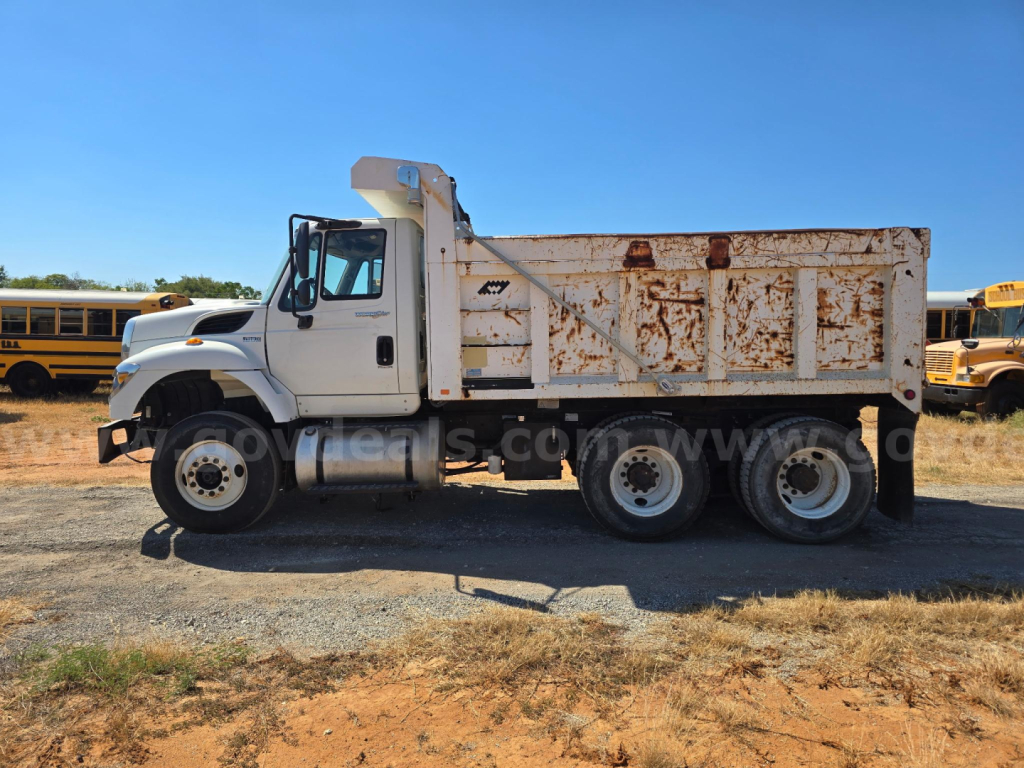
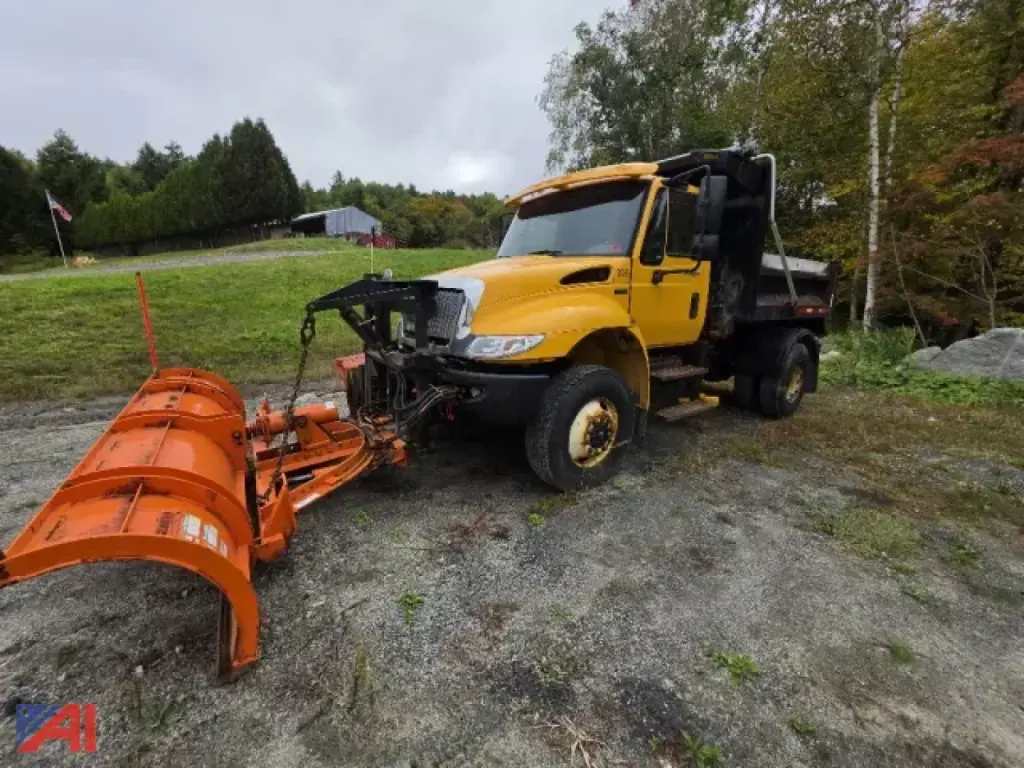
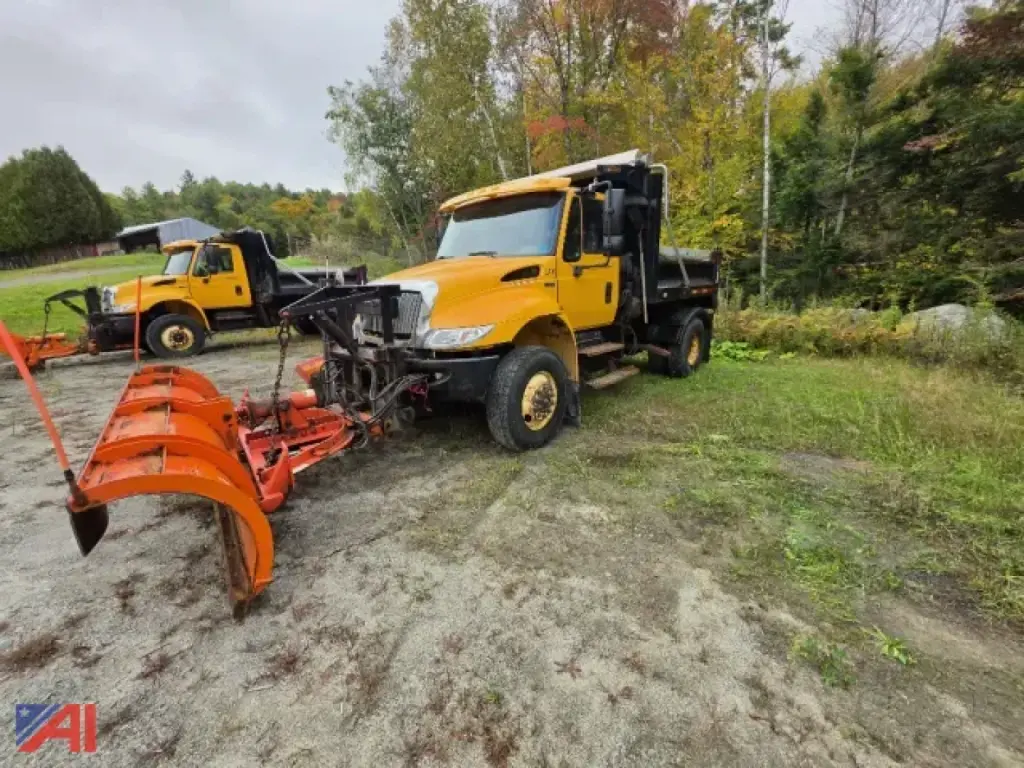
The first thing to evaluate is the truck’s original job. A 2013 International dump truck may have spent its life hauling stone and asphalt, or it may have been a municipal unit with a front plow mount, wing plow, and combination dump-spreader body. That difference matters. Snow fleet trucks often have lower miles but high idle time, corrosion exposure, and more hydraulic and electrical complexity. Construction-spec trucks may show harder body wear, suspension wear, and tailgate or hoist fatigue. Typical checkpoints include frame condition, crossmember rust, body floor thickness, hoist cylinder operation, PTO engagement, hinge pin wear, and any cracking around body mounts or pintle plate areas.
Powertrain and axle specs deserve close attention because they determine how the truck will perform with a loaded box. Many International vocational trucks from this period were equipped with larger displacement diesels such as the DT570 or comparable severe-service engines, paired with Allison automatic transmissions or other vocational-friendly driveline setups. Buyers should verify rear axle ratio, suspension rating, front axle capacity, and GVWR, especially if the truck will carry dense material. A truck set up with around 40,000-plus GVWR, tandem rears, and 22.5-inch rubber is a very different tool than a lighter single-axle dump. If the truck has air ride, that may help ride quality, but vocational spring suspensions are often preferred for durability and stability in rough jobsite conditions.
Body configuration is just as important as the chassis. Steel dump bodies are common for demolition debris, gravel, and asphalt, while combination all-season bodies may include spreader chains, augers, underbody scrapers, and front plow hydraulics for year-round municipal use. Look at body length, side height, tailgate style, liner condition, tarp setup, and hydraulic response under load. Buyers comparing 2013 International dump trucks should also confirm CDL requirements, bridge law implications, and local weight compliance before choosing a tandem or single-axle setup. A clean vocational truck with the right axle ratings, solid hydraulics, and a body matched to the work can stay productive for years in construction, paving, utility, and municipal service.
Frequently Asked Questions about 2013 International Dump Trucks
What should I check first on a 2013 International dump truck?
Start with the chassis and hydraulic system. Check the frame rails, crossmembers, spring hangers, hoist mounts, PTO operation, hydraulic pump response, and dump body structure. On trucks that have seen municipal snow duty, rust and corrosion can be more important than mileage. Engine hours, idle time, plow gear, spreader components, and electrical add-ons should all be reviewed because vocational wear does not always show up in the odometer alone.
Is a 2013 International 7400 a good platform for dump truck work?
Yes, the International 7400 is a common vocational platform for dump applications because it was built to handle heavier axle ratings, PTO equipment, and multi-season body setups. It is often found in tandem axle form with diesel power, air brakes, and automatic transmissions that work well in stop-and-go jobsite or municipal use. The key is not just the model designation, but how the truck was spec'd with GVWR, axle ratio, suspension, and body equipment.
What is the difference between a municipal dump truck and a construction dump truck?
A municipal dump truck is often equipped for year-round public works duty, which can include a front plow mount, wing plow controls, salt spreader, combination body, extra lighting, and hydraulic circuits for winter attachments. A construction dump truck is usually more focused on hauling aggregate, spoil, asphalt, or demolition material and may have a simpler steel body with fewer seasonal accessories. Municipal trucks may have lower mileage but more corrosion and more complex hydraulics, while construction trucks may have more visible body and suspension wear from heavy hauling.
Do I need to pay attention to GVWR and axle ratings on a used dump truck?
Yes. GVWR, front axle rating, rear axle rating, suspension capacity, and tire capacity determine how much material the truck can legally and safely handle. Dump trucks regularly haul dense loads, so an incorrect assumption about axle capacity can create problems with payload, registration class, and local enforcement. Buyers should match the truck’s ratings to the actual material being hauled, not just the size of the dump body.
Are automatic transmissions common in 2013 International dump trucks?
Yes, automatic transmissions are common in this class, especially in municipal and vocational service where frequent stops, backing, plowing, and PTO operation are part of the job. An Allison automatic is often preferred for ease of use and predictable low-speed control. Buyers should still confirm transmission model, service history, PTO compatibility, and how the truck shifts when loaded, because dump truck driveline health matters more than transmission type alone.