
International Trucks For Sale in Iowa
Browse International trucks for sale in Iowa, including dump, day cab, and utility models with common specs, applications, and buying tips.

Selling a international truck? List your international truck for sale and reach thousands of commercial buyers.
International Trucks in Iowa
For vocational work, International dump and municipal chassis are often equipped with DT466, MaxxForce DT, or larger diesel platforms, paired with Allison automatics or manual transmissions depending on terrain, driver preference, and PTO demands. In Iowa, trucks set up for snow and road maintenance are especially common, so it is normal to see front plows, wing plows, spreaders, pre-wet systems, and hydraulic packages already installed on 4x2 single-axle chassis. Buyers should pay close attention to GVWR, front axle capacity, frame condition, hoist and body manufacturer, rust around cab mounts and spreader systems, and whether the truck spent its life in municipal winter service. A solid spec on paper can still hide corrosion, hydraulic wear, and electrical issues tied to salt exposure.
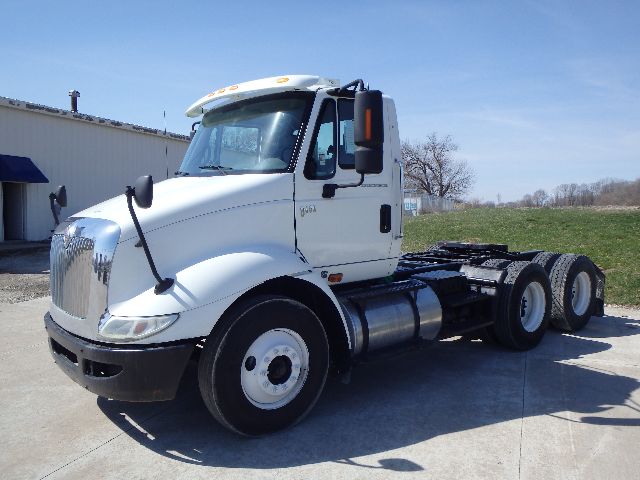
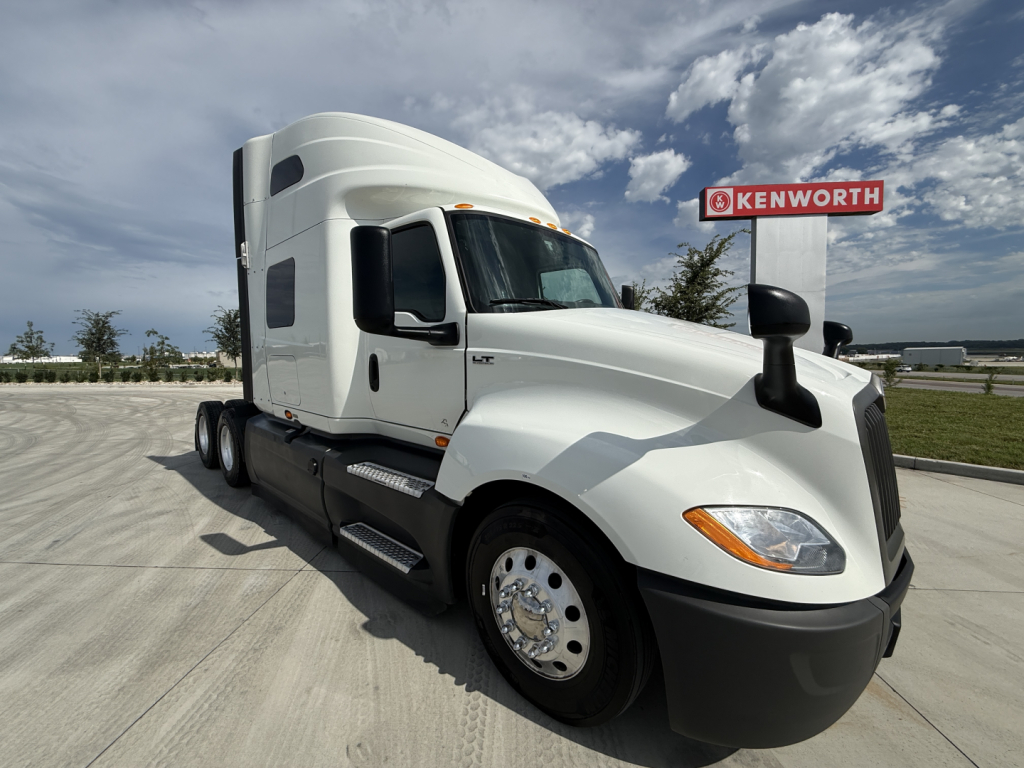
On the highway side, International day cabs are typically purchased for regional hauling, local freight, grain, feed, and short-run bulk work. Common decision points include engine make, horsepower, rear axle ratio, wheelbase, suspension type, and transmission choice. A tandem-axle day cab with air ride suspension, a 10-speed manual, and a mid-3 rear ratio is a practical setup for mixed state highway use, especially where maneuverability matters as much as legal payload. Buyers comparing older International conventionals should also look at fifth wheel type, axle configuration, brake condition, tire size, and whether the truck was spec'd for farm support, vocational pulling, or dedicated regional freight.
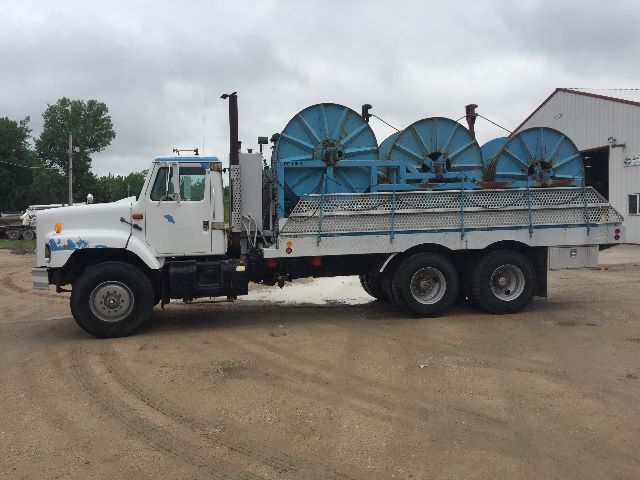
The biggest advantage in this category is application range. International trucks can show up as dump trucks, service trucks, utility trucks, municipal snow units, and conventional tractors, often with simple controls and proven component combinations that independent shops already know. The best buy is usually the truck with the right chassis history and body spec, not just the newest model year. Service records, corrosion exposure, engine emissions system history, PTO operation, suspension condition, and frame integrity should carry more weight than cosmetic appearance alone, especially in a state where seasonal road treatment and year-round vocational use can be hard on equipment.
Frequently Asked Questions about International Trucks in Iowa
What International truck models are most common in Iowa?
In Iowa, common International trucks include vocational models such as the 7300 and 7400 for dump, plow, and municipal work, along with conventional day cab models like the 8600 for regional hauling and local freight. Utility and service body International trucks also show up regularly because the brand has long been used by public fleets, contractors, and agricultural operations. The most common configuration depends on the job, but medium-duty and severe-duty chassis are especially prevalent in municipal and construction applications.
Are International dump trucks a good choice for municipal and contractor work?
International dump trucks are a practical choice for municipal and contractor use because they are commonly spec'd with durable diesel engines, straightforward chassis layouts, and transmission options that work well with PTO and hydraulic equipment. Many units are already outfitted for plows, spreaders, and pre-wet systems, which can add value for road departments and snow contractors. The key is to inspect frame condition, body hoist performance, hydraulic lines, and corrosion from winter service, since those factors affect long-term value more than the badge alone.
What should I check on a used International truck before buying?
Start with the truck's actual application history, then inspect the frame rails, suspension, axle ratings, engine, transmission, brakes, tires, and any installed body equipment. On dump and snow-service trucks, pay special attention to rust, crossmembers, cab mounts, wiring, spreader controls, and hydraulic operation. On day cabs and highway units, focus on engine performance, clutch or transmission condition, rear ratio, fifth wheel setup, and signs of heavy wear from overloading or poor maintenance. Service records and emissions history are especially important on later-model diesel trucks.
Which is better on an International truck, an Allison automatic or a manual transmission?
That depends on the application. Allison automatic transmissions are often preferred for dump trucks, municipal units, and stop-and-go vocational service because they are easier to operate, work well with PTO applications, and reduce driver fatigue. Manual transmissions are still common in day cabs and some vocational setups where buyers want lower upfront cost, direct driver control, or a familiar drivetrain for fleet maintenance. The better choice is the one that matches route type, driver pool, and duty cycle.
Are older International trucks still worth buying?
Older International trucks can still be a sound purchase if the chassis, drivetrain, and body equipment have been maintained properly. Many older units remain attractive in farm, municipal, and local vocational roles because they use proven mechanical components and simpler electrical systems. Condition matters more than age. A well-kept older truck with a solid frame, good service history, and correctly functioning hydraulics or fifth wheel can be a better value than a newer truck with corrosion, deferred maintenance, or emissions-related problems.