
International Conventional Sleeper Trucks For Sale in Iowa
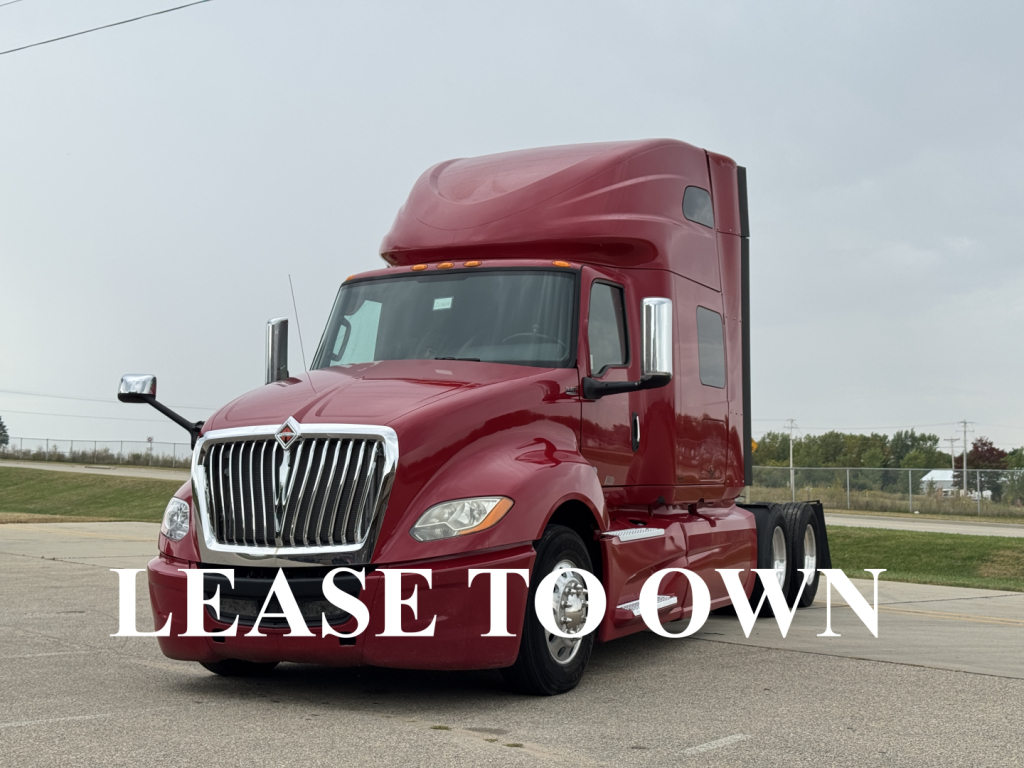
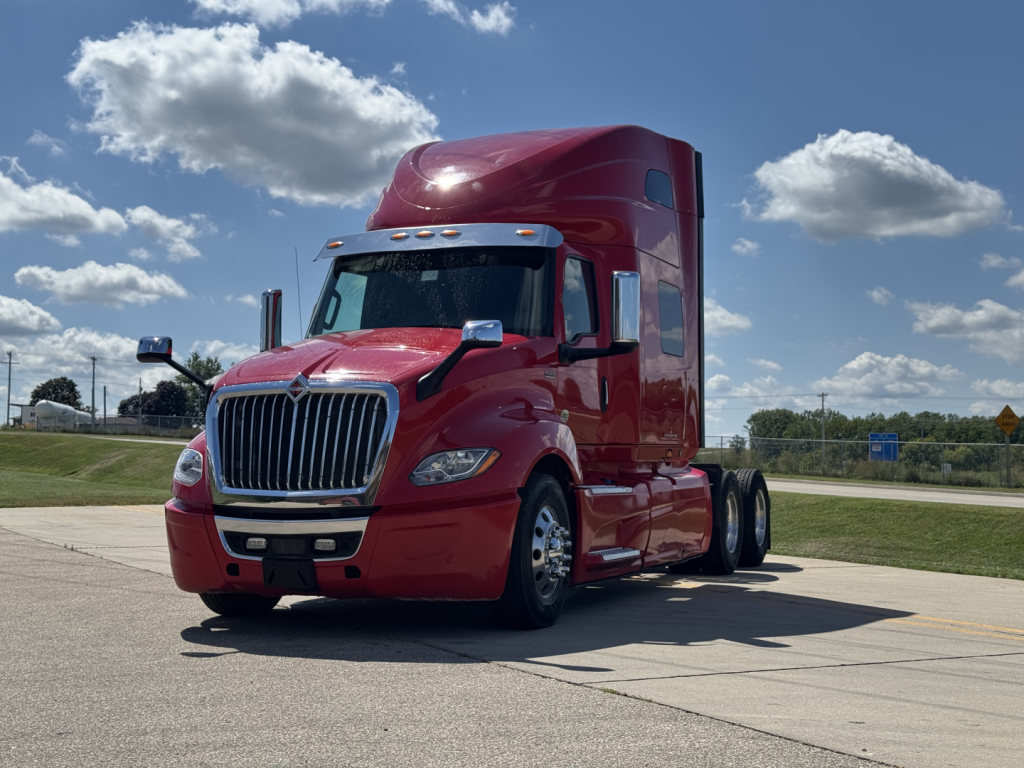
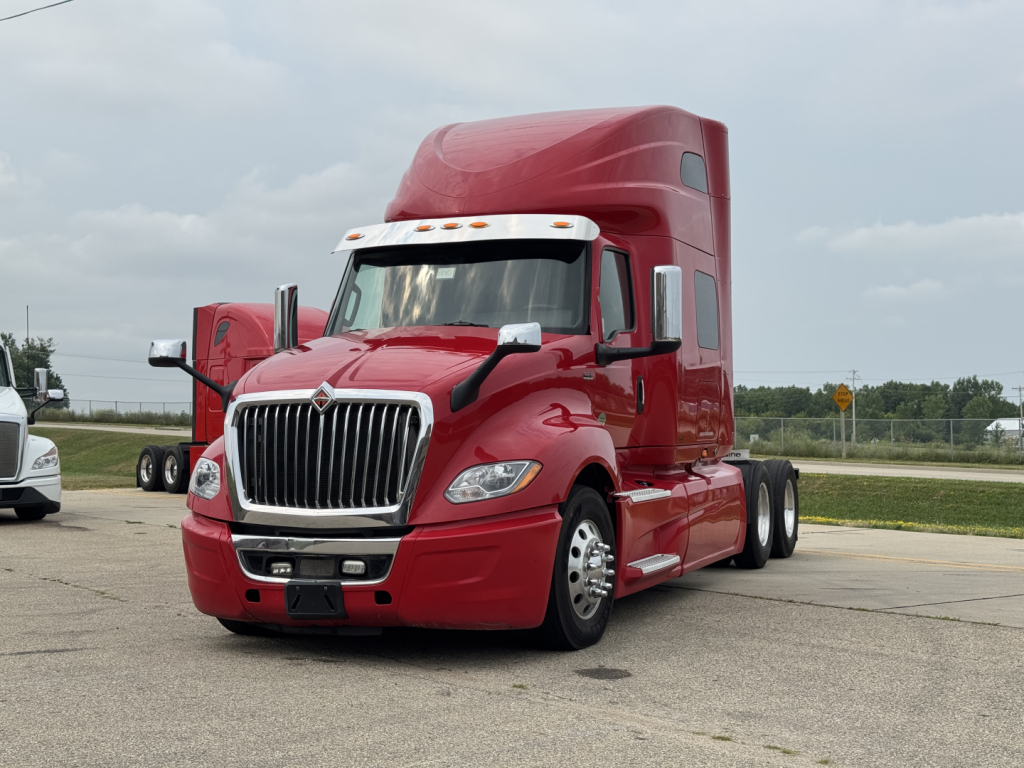
Have international conventional sleeper truck to sell? List it here to reach thousands of buyers.
International Conventional Sleeper Trucks in Iowa
Powertrain choice is usually the first decision. Many International sleeper tractors in this class are spec'd with the Cummins X15 in ratings that fit fuel-conscious fleet use or heavier long-haul work, often paired with 10-speed automated transmissions and fast rear axle ratios such as 2.64 for highway efficiency. Dual fuel tanks are common for extended range, and buyers should compare horsepower, torque, transmission calibration, axle ratio, and idle management equipment like an electric APU or inverter. Those details affect gradeability, cruise RPM, aftertreatment performance, and total operating cost more than model year alone.
Cab and chassis specs matter just as much as engine badges. A sleeper truck needs the right bunk size, storage layout, and dash controls for the route it will actually run. International conventionals are often chosen for easy cab access, good visibility, and fleet-friendly ergonomics. Look closely at brake type, tire condition, suspension spec, wheelbase, fifth wheel setup, and collision mitigation features. Disc brakes, hill start assist, steering wheel controls, engine heaters, and integrated driver-assist systems are common items that can improve uptime, driver acceptance, and cold-weather usability in Iowa and across the Midwest.
A good used International sleeper should be evaluated on maintenance history, engine hours versus road miles, aftertreatment service records, and signs of prior idle-heavy operation. For buyers comparing multiple listings, the best value usually comes from matching the sleeper and drivetrain spec to the freight lane. A lighter aero spec with a tall overdrive and fast rears can be ideal for long interstate miles, while a truck that sees more loaded starts, tighter lanes, or mixed terrain may benefit from a different ratio or transmission setup. International sleeper trucks remain a common choice for fleets and owner-operators who want a modern highway tractor with broad parts support and familiar service access.
Frequently Asked Questions about International Conventional Sleeper Trucks in Iowa
What is the most common International conventional sleeper model on the used market?
The International LT is the most common conventional sleeper model buyers will encounter in late-model highway tractor listings. It is designed for over-the-road use with an aerodynamic hood, sleeper cab options, and powertrain specs commonly built around the Cummins X15. The LT is popular with fleets because it is easy to standardize, generally simple to service, and widely used in van and reefer operations.
What engine and transmission specs are common in International sleeper trucks?
A common spec is a Cummins X15 paired with an automated 10-speed transmission, often in a 400 to 450 horsepower range for linehaul work. Many trucks are also equipped with fast rear axle ratios such as 2.64 to keep cruise RPM down at highway speed. Buyers should verify horsepower, torque rating, transmission model, rear ratio, and tire size together because those components determine startability, fuel economy, and how the truck performs on rolling Midwest terrain.
Are International conventional sleeper trucks good for long-haul freight?
Yes. International conventional sleepers are primarily built for long-haul and regional haul operations that require overnight accommodations. Raised-roof sleeper layouts, dual fuel tanks, idle management equipment, and highway-oriented driveline specs make them a practical fit for dry van, refrigerated freight, and dedicated route work. The right truck depends on lane length, payload, and how much time the driver spends in the bunk.
What should I inspect first on a used International sleeper tractor?
Start with maintenance records, fault codes, aftertreatment history, brake and tire condition, and evidence of downtime related repairs. Then confirm engine hours, idle hours, transmission operation, suspension wear, and fifth wheel condition. On a sleeper tractor, it is also smart to check the APU, inverter, bunk HVAC, heater operation, and all cab electronics because comfort and idle reduction systems have a direct effect on driver retention and operating cost.
Why do axle ratio and fuel tank size matter on an International LT sleeper?
Axle ratio affects cruise RPM, launch feel, gradeability, and fuel burn. A faster ratio such as 2.64 is often selected for fuel-efficient highway running, but the best choice depends on load, terrain, and transmission calibration. Fuel tank size determines route flexibility and refueling frequency. Dual 120-gallon tanks, for example, can support long interstate runs and help a carrier buy fuel more strategically across different states.