
International Trucks For Sale in Kansas
Shop International trucks for sale in Kansas, including medium-duty and heavy-duty models with common specs, applications, and buyer tips.
Selling a international truck? List your international truck for sale and reach thousands of commercial buyers.
International Trucks in Kansas
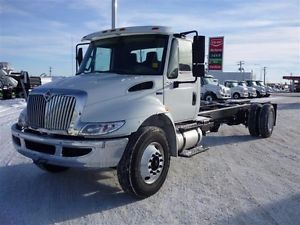
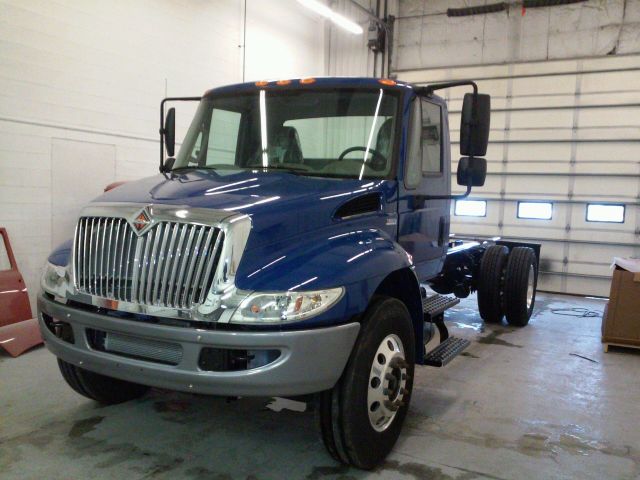
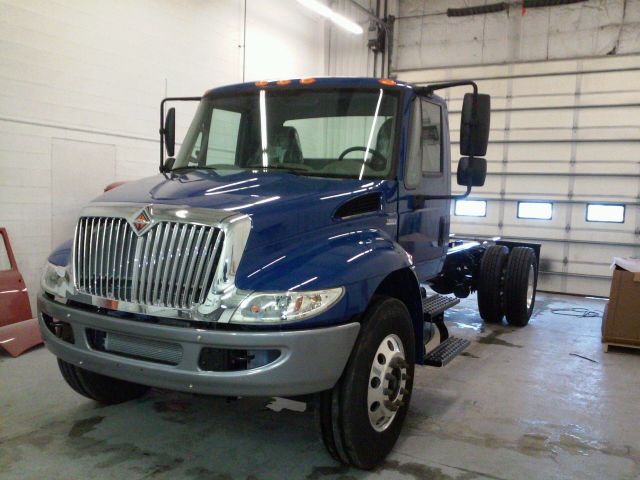
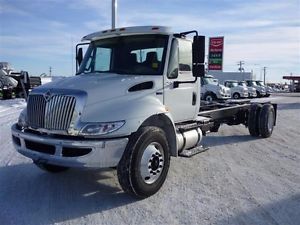
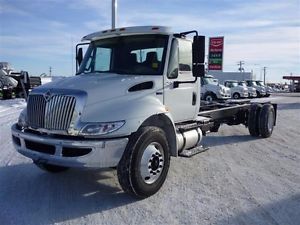
On medium-duty International trucks, buyers should pay close attention to GVWR, transmission choice, brake configuration, and engine rating. A 33,000 lb GVWR 4300 with a 138-inch to 140-inch CA is a common starting point for many straight-truck builds. Automatic options such as an Allison 3000RDS are popular for stop-and-go delivery and municipal use, while manual transmissions still appeal in certain fleet and vocational applications. Air ride suspension, air brakes, locking differentials, and PTO compatibility can all matter depending on whether the truck will carry a van body, dump body, rollback, reefer, or mechanic service body. If the truck is still a bare chassis, confirm frame dimensions, rear axle capacity, and any body-builder restrictions before committing to an upfit.
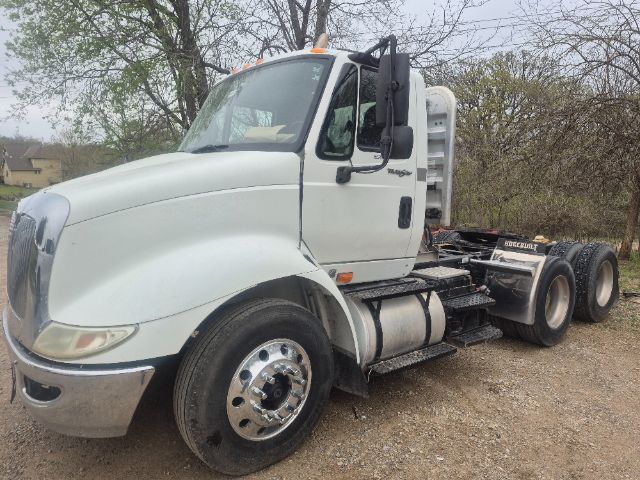
For heavier International trucks, the buying process shifts toward drivetrain durability, legal weight, and service history. A daycab like the 8600 is often evaluated by axle configuration, suspension, rear ratio, transmission model, and engine family. In Kansas, trucks used for farm support, regional freight, aggregate, and equipment transport often need the right balance between highway gearing and low-speed pulling power. A tandem axle 6x4 with a 12,000 lb front axle and 40,000 lb rears is a common setup for this class. Engine brake function, clutch age, brake life, tire condition, and documentation for major repairs can tell you more about near-term operating cost than paint or trim. On older trucks, emissions system complexity versus pre-DEF simplicity is another factor many buyers weigh carefully.
International has long been a practical choice for fleets and owner-operators who want broad parts support, straightforward vocational spec options, and familiar service access. The right truck depends on body length, payload, route density, CDL requirements, and maintenance tolerance. For Kansas buyers, rust exposure may be lower than in some regions, but it still makes sense to inspect cab mounts, frame condition, crossmembers, brake components, and any signs of corrosion around electrical connections or body attachment points. A strong listing in this category usually gives enough detail to evaluate wheelbase, horsepower, transmission, suspension, axle ratings, and intended use without guessing.
Frequently Asked Questions about International Trucks in Kansas
What is the most common use for an International 4300?
The International 4300 is most commonly used as a medium-duty cab and chassis for straight-truck applications. Typical uses include dry van delivery, reefer bodies, flatbeds, landscape bodies, utility bodies, and municipal service trucks. Buyers usually focus on GVWR, cab-to-axle length, and transmission type first because those specs determine what body can be installed and how well the truck will perform in city, suburban, or regional service.
Is an International 8600 a good choice for regional and vocational hauling?
Yes, the International 8600 is generally a solid fit for heavier regional and vocational work when properly spec'd. It is commonly found as a conventional daycab with tandem axles, higher GVW capacity, and manual transmissions suited for pulling, hauling, or jobsite duty. Buyers should verify axle ratings, rear ratio, engine brake operation, clutch condition, and service records, because those items have a direct effect on drivability, legal payload, and repair cost.
What specs matter most when buying an International cab and chassis truck?
The most important specs are GVWR, wheelbase, cab-to-axle measurement, engine horsepower and torque, transmission model, rear axle rating, and brake type. Those details determine what body can be mounted, how much payload the truck can carry, and whether it will perform well in stop-and-go routes or heavier vocational work. Suspension type, PTO readiness, locking differential, and frame condition also matter if the truck will be used for dump, rollback, or service-body applications.
Are automatic transmissions common in International medium-duty trucks?
Yes, automatic transmissions are very common in International medium-duty trucks, especially in delivery, utility, and municipal applications. Allison automatic transmissions are widely used because they are durable, easy for multiple drivers to operate, and well-suited to frequent starts and stops. A manual transmission may still appeal to some buyers, but for urban routes and fleet use, an automatic is often preferred for driver acceptance and consistent operation.
What should buyers in Kansas inspect on used International trucks?
Kansas buyers should inspect the same core items as any used truck shopper, with extra attention to frame condition, suspension wear, brake life, tire age, and documentation for engine or transmission work. Because many trucks in the state see agricultural, construction, or regional freight use, it is smart to look for wear related to dust, gravel roads, heavy towing, and seasonal exposure. Cab mounts, crossmembers, steering components, air system leaks, and electrical connections should all be checked before purchase, along with current DOT inspection status if applicable.